


Lincolnshire is one of England’s largest and calmest counties. It stretches from the Humber estuary in the north to the Wash in the south, with a historic cathedral city, a classic seaside coast and the gentle hills of the Lincolnshire Wolds.
Why visit Lincolnshire
For history, beaches and space to breathe. Lincoln’s cathedral was once the tallest building in the world, its castle displays one of the original copies of Magna Carta, and the coast around Skegness offers wide sandy beaches and traditional seaside fun.
Top places to visit in Lincolnshire
Lincoln
The Gothic Lincoln Cathedral, Lincoln Castle and its Magna Carta vault, and the aptly named Steep Hill with its independent shops and tea rooms.
Skegness and the coast
A long, sandy beach, the pier, the clock tower and Gibraltar Point nature reserve just south of town, as well as quieter resorts such as Mablethorpe.
The Lincolnshire Wolds
Rolling chalk hills, market towns such as Louth and footpaths through a protected landscape.
North Lincolnshire and the Humber
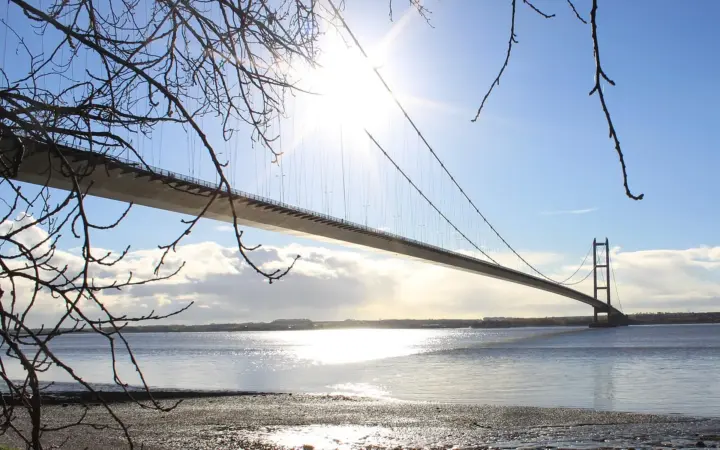
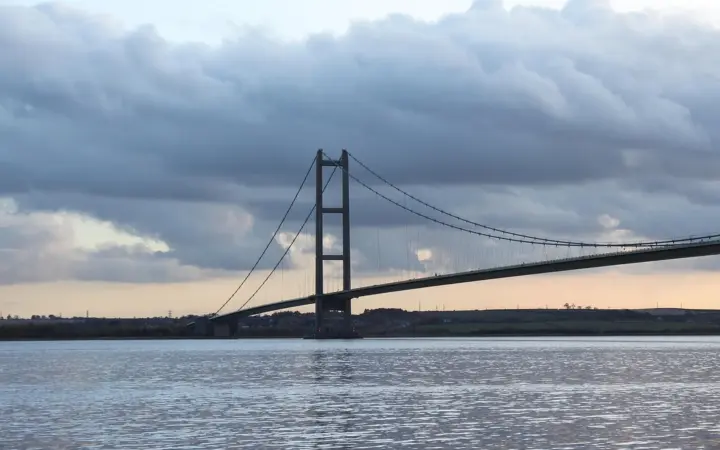
The Humber Bridge, wetland reserves at Barton upon Humber, and the industrial town of Scunthorpe with its parks and museum.
Best time to visit Lincolnshire
May to September is best for the beaches and outdoor events. Lincoln’s Christmas market, one of the oldest in England, usually takes place in early December.
Getting around Lincolnshire
Trains link Lincoln with Newark and London (about two hours with one change), and Skegness has a direct line from Nottingham. Humberside Airport serves the north of the county. A car is useful for the Wolds and the coast.
What to eat in Lincolnshire
Lincolnshire sausages flavoured with sage, plum bread with cheese, haslet (a pork meatloaf) and fish and chips on the seafront.
Lincolnshire FAQ
Is Skegness good for families?
Yes. Its beach, pier, fairground rides and nature reserve make it one of the most popular family resorts on the east coast.
How long do I need in Lincoln?
One full day is enough for the cathedral, castle and old town.