

Île-de-France is where France began – and it still holds the crown jewels. At its centre is Paris, of course, but the region around it is full of palaces built for kings, forests where they hunted and medieval towns that look straight out of a history book. This Île-de-France travel guide helps you plan Paris and the best escapes from it.
Why visit Île-de-France
The region surrounding Paris is compact and remarkably easy to explore by public transport. In a single trip you can combine the museums and boulevards of the capital with the Palace of Versailles, the château and forest of Fontainebleau and the medieval walls of Provins – all UNESCO World Heritage sites.
It is also a region for food lovers: think Brie de Meaux, perfect baguettes and the best pastry shops in the world.
Top places to visit in Île-de-France
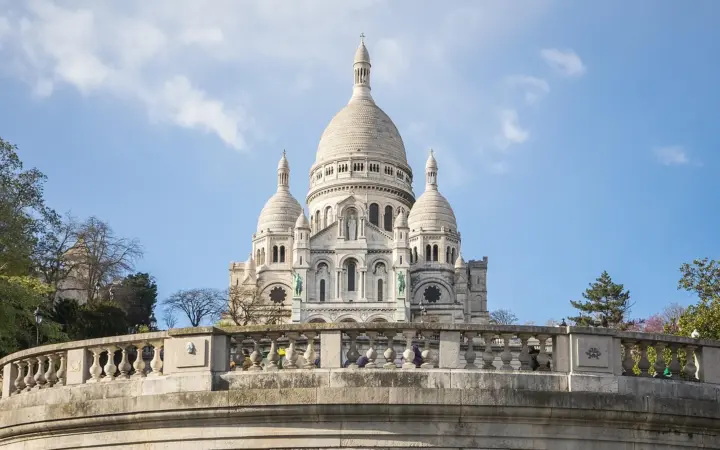
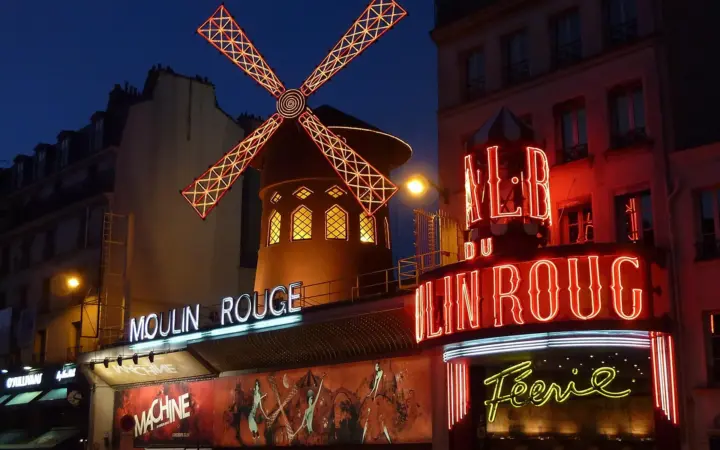
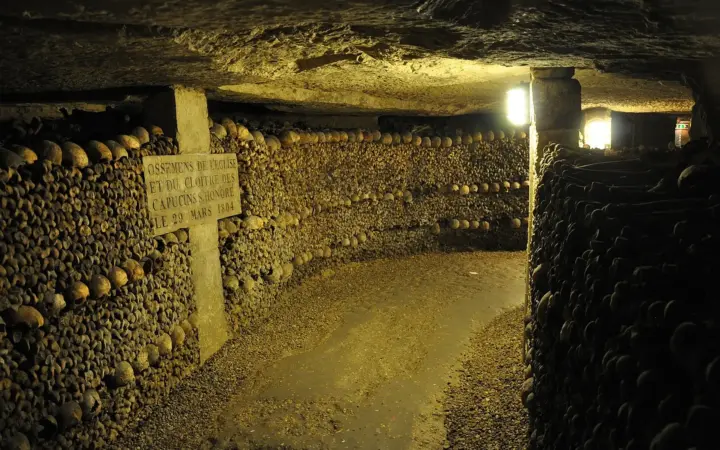
Paris
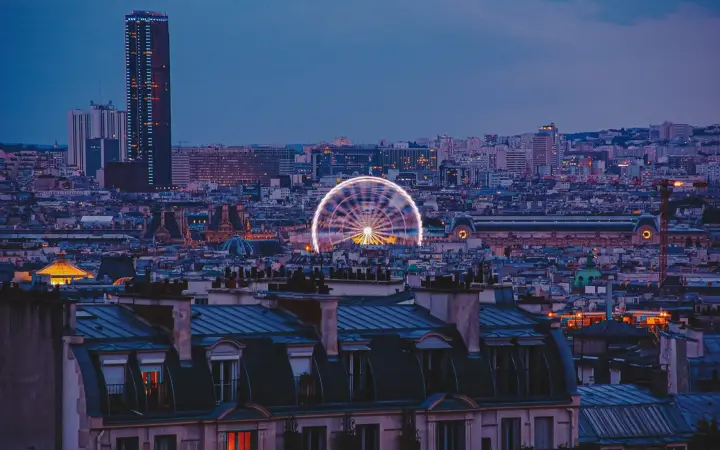
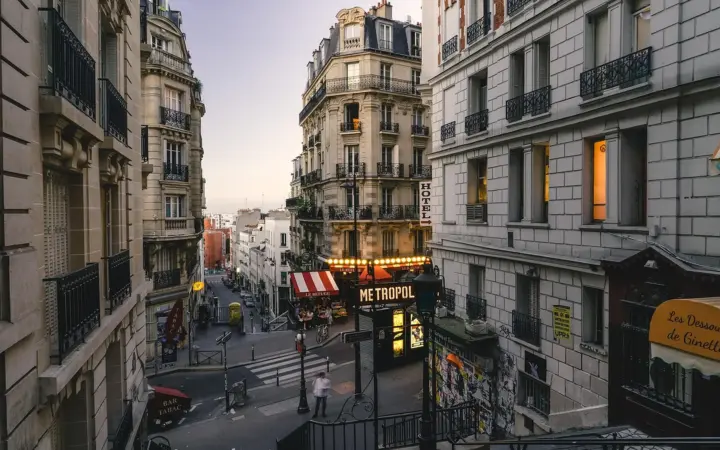
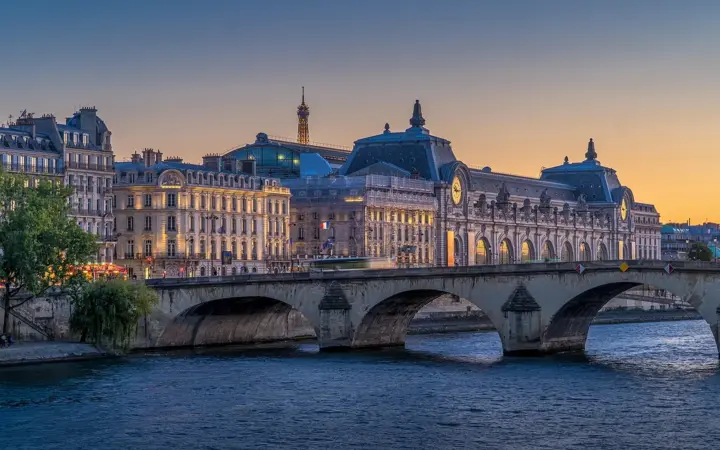
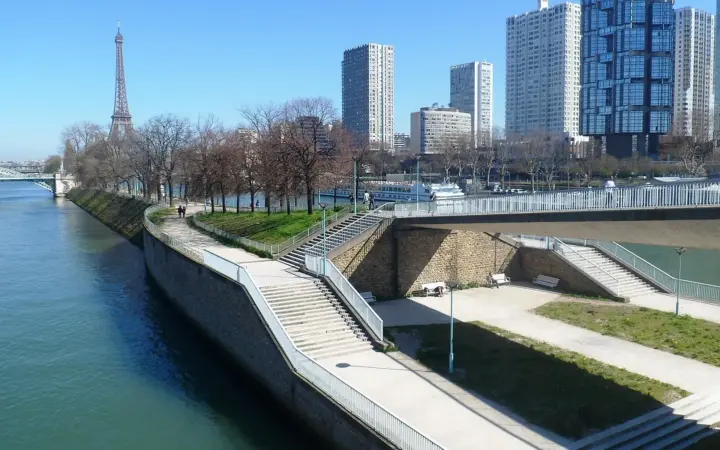
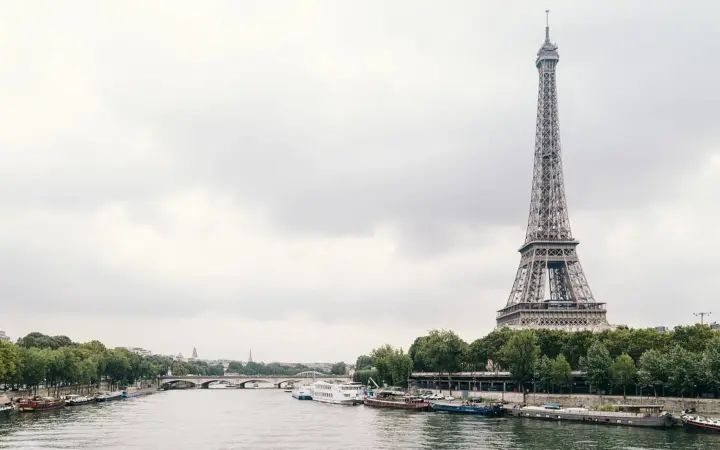
The Eiffel Tower, the Louvre, Notre-Dame, Montmartre and the Musée d’Orsay, then the cafés of Saint-Germain and the lanes of the Marais. Paris rewards walking: every neighbourhood has its own village feel.
Versailles
Louis XIV’s Hall of Mirrors, the vast formal gardens and Marie Antoinette’s estate. Arrive early, and rent a bike or a rowing boat to explore the park.
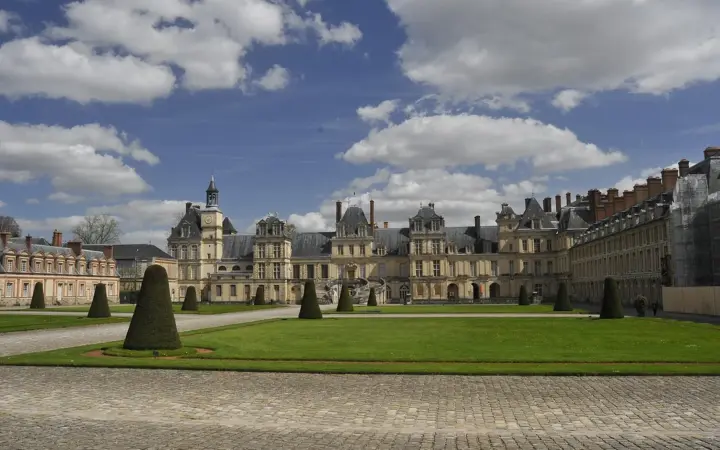
Fontainebleau
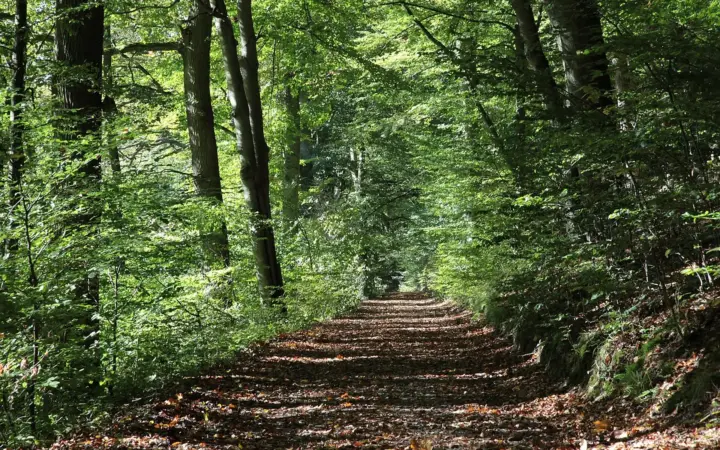
A royal château used by French kings for eight centuries, surrounded by a huge forest famous for its sandstone boulders, hiking trails and rock climbing.
Provins
A medieval fair town with ramparts, towers and underground passages, about 90 minutes from Paris – especially lively during its summer medieval shows.
Vaux-le-Vicomte and Saint-Germain-en-Laye
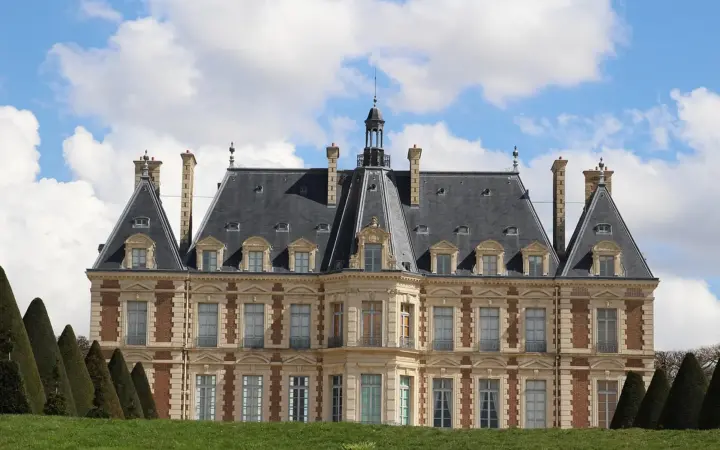
Vaux-le-Vicomte is the château that inspired Versailles, magical on candlelit summer evenings. Saint-Germain-en-Laye, at the end of an RER line, has a château, a long terrace and a view over the Seine.
Best time to visit Île-de-France
April to June and September to October are ideal: mild weather, long evenings and gardens in bloom. July and August bring crowds of visitors, although many Parisians leave in August. Winter is cold but full of Christmas lights and the best time for museums.
Getting to and around Île-de-France
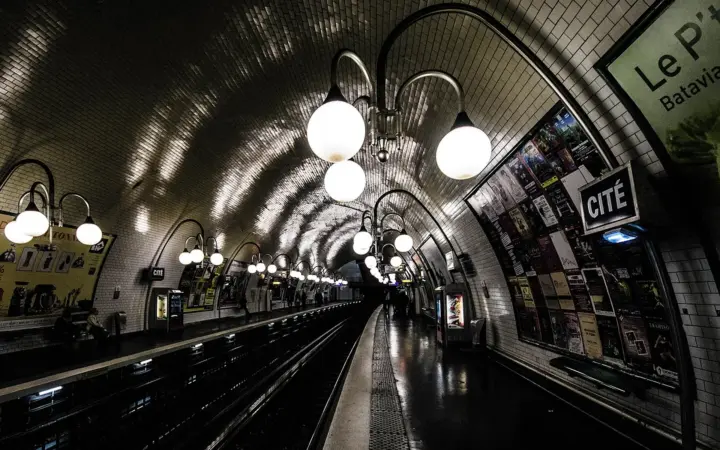
Charles de Gaulle and Orly are the main airports, linked to Paris by RER trains and buses. Paris has one of the world’s densest metro networks, and the RER and Transilien trains reach Versailles, Fontainebleau, Provins and Saint-Germain-en-Laye. You do not need a car – parking in Paris is difficult and expensive.
Île-de-France itinerary ideas
- Four days: three days in Paris and a day at Versailles.
- One week: Paris, Versailles, Fontainebleau and a day in Provins.
- Paris with children: the city’s parks and museums, plus a day at Disneyland Paris.
What to eat in Île-de-France
Start your day at the boulangerie with a croissant or a pain au chocolat, have a steak frites in a classic bistro, and try Brie de Meaux and Brie de Melun, the region’s own cheeses. For dessert: macarons, éclairs and the Paris-Brest, a ring of choux pastry filled with praline cream.
Île-de-France travel tips
- Book timed tickets for the Louvre, the Eiffel Tower and Versailles.
- Check closing days: many museums close on Monday or Tuesday.
- Watch for pickpockets on the metro and around the big sights.
- Say “Bonjour” when you enter a shop or café – it really matters.
Île-de-France FAQ
What is the best day trip from Paris?
Versailles is the classic, just 40 minutes by RER. For something quieter, try Fontainebleau or the medieval town of Provins.
How many days do you need in Paris and Île-de-France?
Three or four days for Paris, plus one day for each palace or town you want to visit.
Do you need a car in Île-de-France?
No. Public transport reaches almost everything; a car only helps for the more rural parts of the region.