

Mexico is not one destination. It is a continent of flavours, colours and landscapes. In the same trip you can climb an ancient pyramid, swim in a cenote, wander a colonial town painted every colour of the rainbow and eat the best taco of your life from a street stall. This Mexico travel guide helps you choose the regions, the season and the smartest way to travel.
Why Mexico should be your next trip
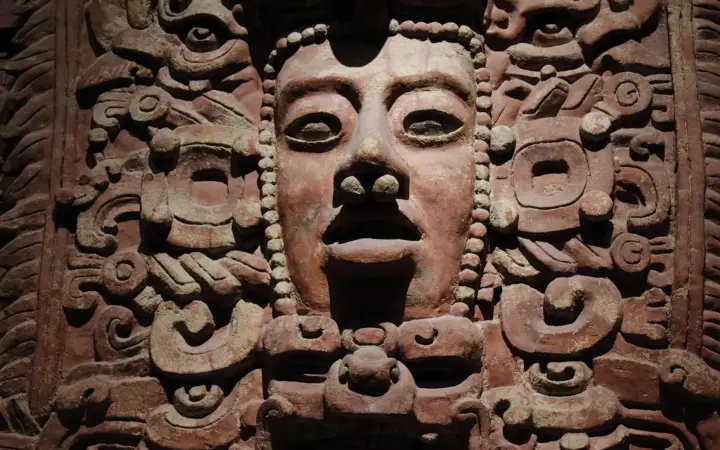
Ancient cities such as Teotihuacan, Chichén Itzá and Palenque, colonial towns, Caribbean and Pacific beaches, deserts, jungles and one of the world’s great cuisines – so great that UNESCO lists traditional Mexican cooking as part of the intangible heritage of humanity.
Mexicans are famously warm hosts, and every region feels different. The country is huge, though, so choose one or two regions per trip rather than trying to see it all.
Where to go in Mexico: the regions at a glance
Mexico City: the giant that never sleeps
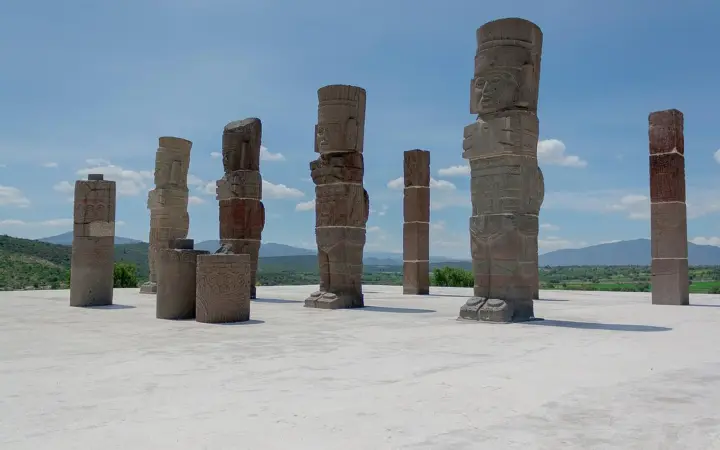
The Zócalo and the Templo Mayor, the National Museum of Anthropology and Frida Kahlo’s Casa Azul in Coyoacán, plus the leafy, café-filled neighbourhoods of Roma and Condesa. Just outside the city rise the Pyramids of the Sun and the Moon at Teotihuacan.
The Yucatán Peninsula: Mayan ruins, cenotes and the Caribbean
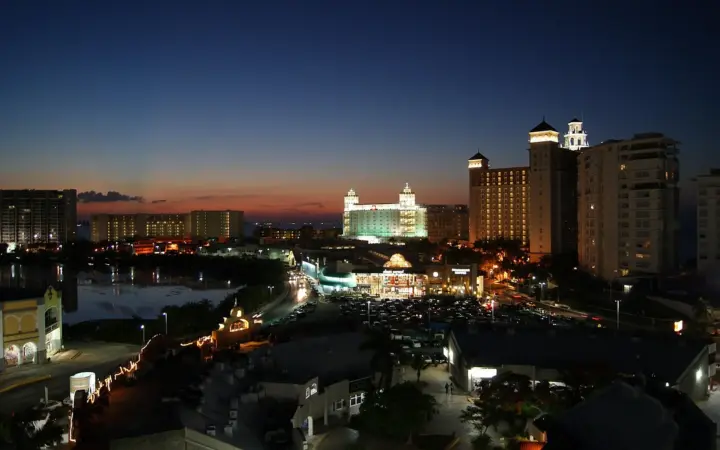
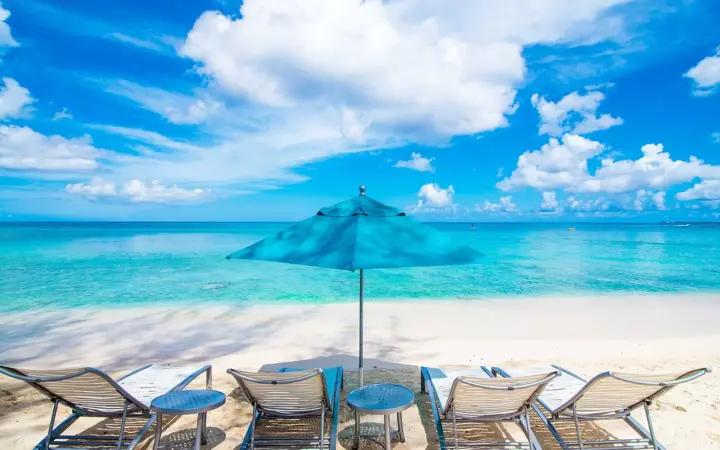
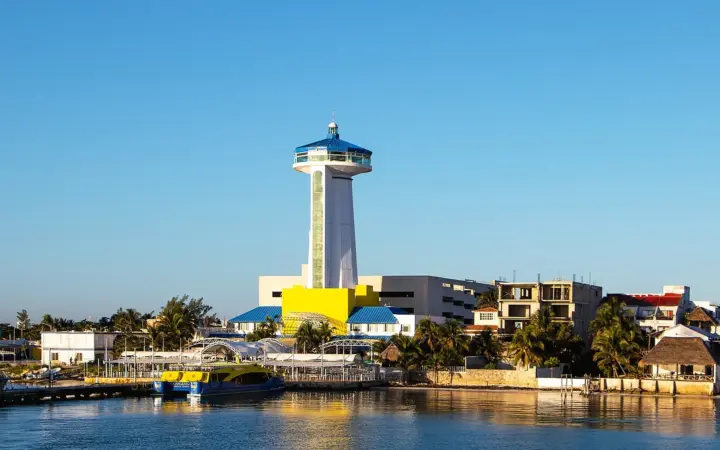
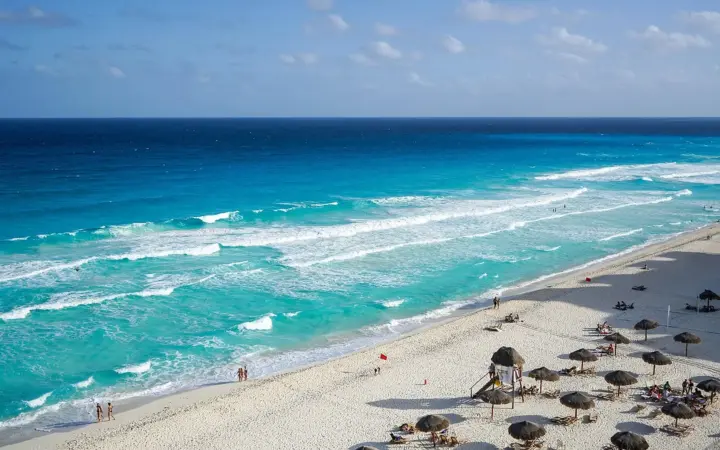
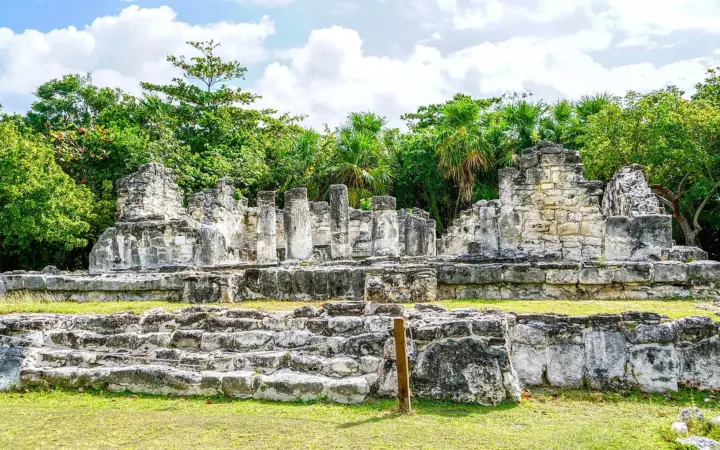
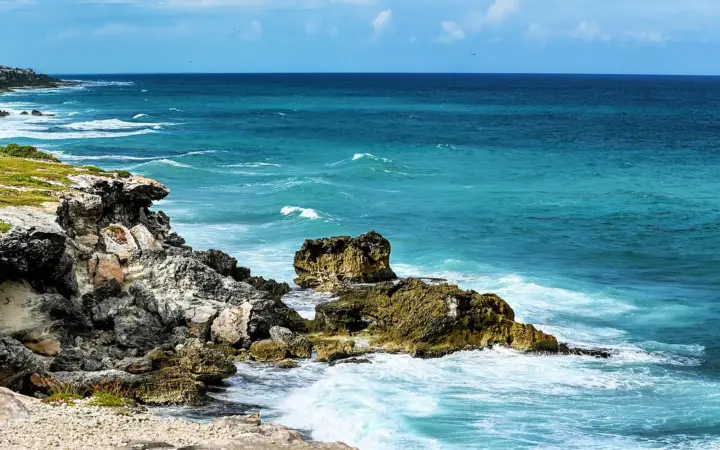
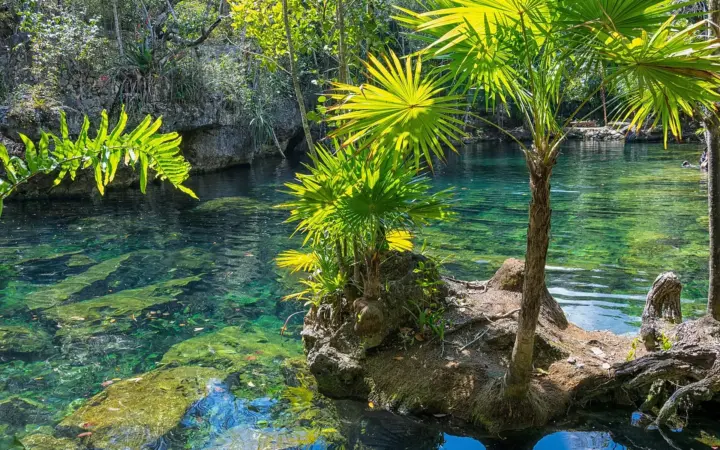
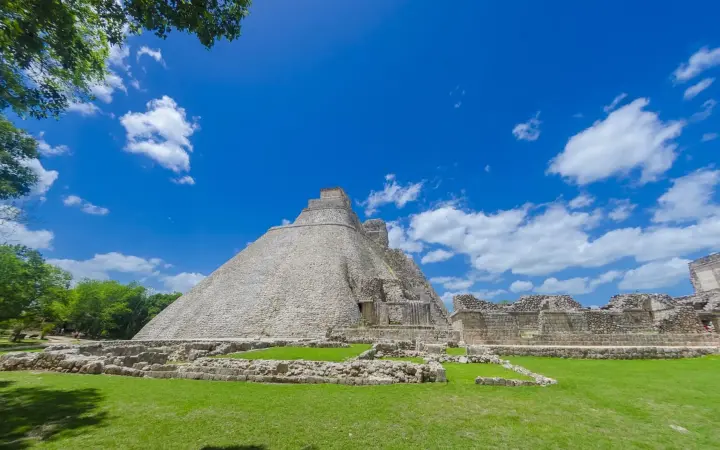
White sand and turquoise water in Cancún, Playa del Carmen and Tulum, where Mayan ruins stand on a cliff above the sea. Inland, explore Chichén Itzá, the colonial city of Mérida and hundreds of cenotes, natural pools hidden in the jungle.
Oaxaca: food, mezcal and tradition
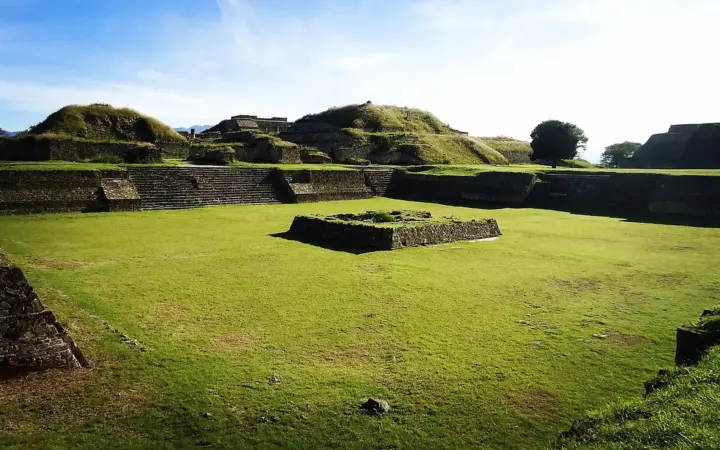
Oaxaca is Mexico’s culinary heart: colourful markets, seven kinds of mole and mezcal distilleries in the surrounding valleys. Visit the hilltop ruins of Monte Albán, and if you want surf and sunsets, head to the Pacific beaches of Puerto Escondido.
The colonial heartland and Jalisco
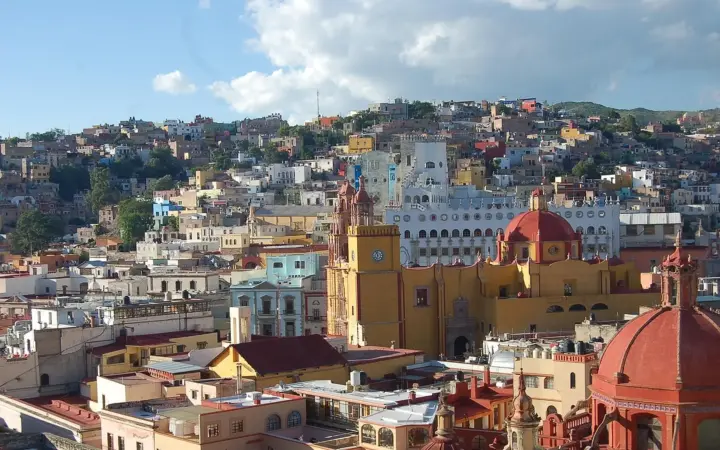
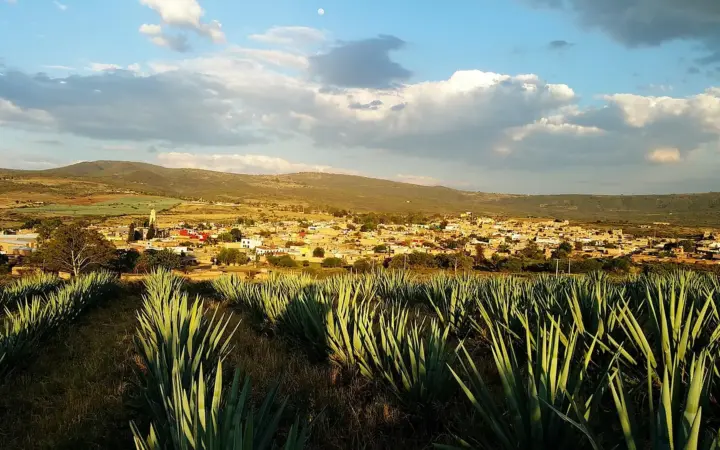
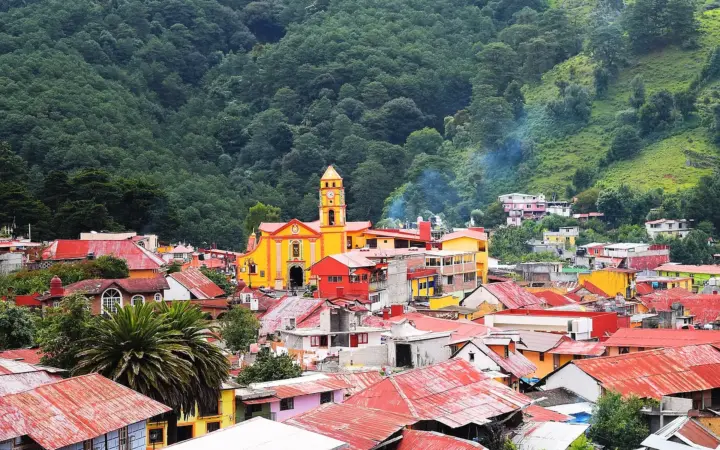
Cobbled streets, baroque churches and colourful façades in San Miguel de Allende, Guanajuato and Querétaro. Further west, Guadalajara is the home of mariachi, and the town of Tequila is surrounded by blue agave fields.
Chiapas: jungle and highlands
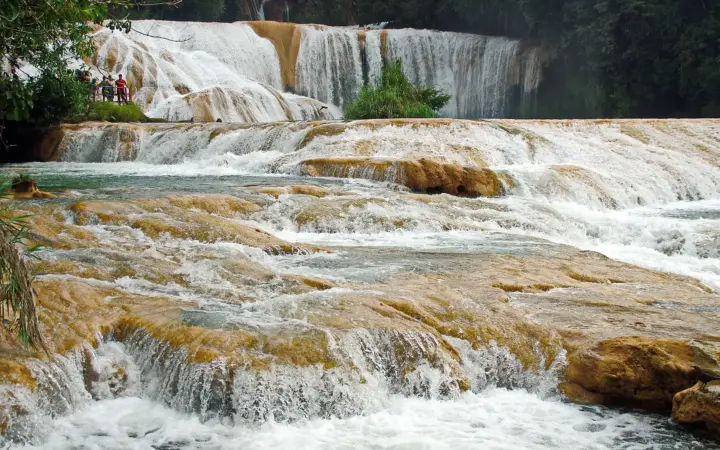
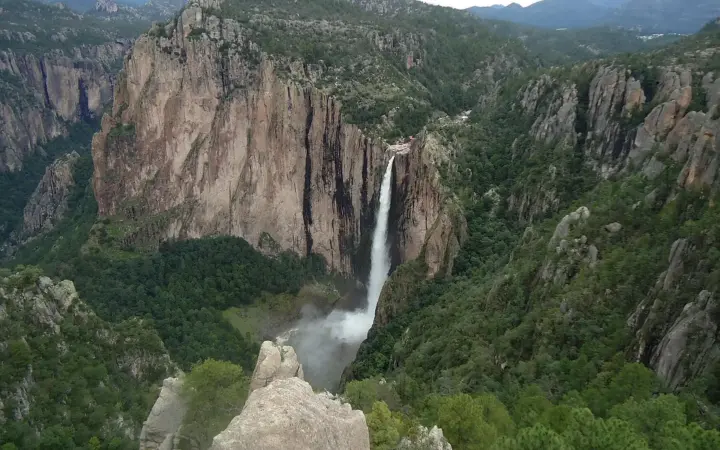
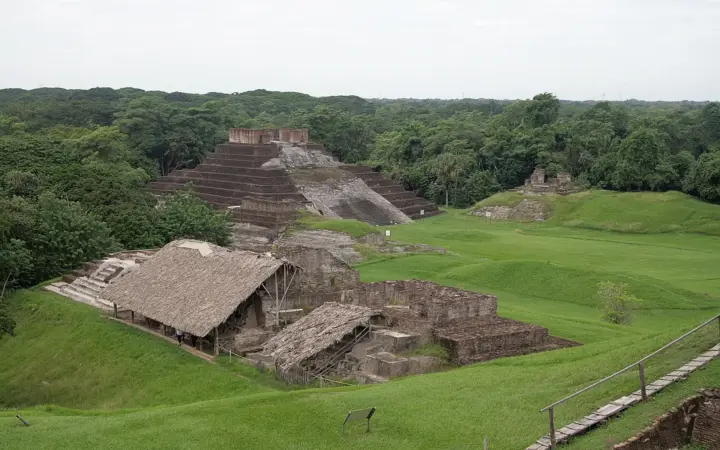
The mountain town of San Cristóbal de las Casas, with strong Indigenous traditions; the jungle-wrapped Mayan city of Palenque; and the towering walls of the Sumidero Canyon.
The Pacific coast and Baja California
Puerto Vallarta combines beaches with jungle-covered hills, and Los Cabos, at the tip of Baja California, is famous for its desert landscapes and its winter whale watching.
Best time to visit Mexico
November to April, the dry season, is the best time: sunny days, low humidity and cool evenings in the highlands – Mexico City sits at about 2,240 metres, so nights can be chilly. May is often the hottest month. From June to October comes the rainy season, usually with short, heavy afternoon showers inland. Hurricane season runs from June to November on both coasts, with its peak from August to October. On the Caribbean coast, sargassum seaweed can affect the beaches, mostly in spring and summer, so check the forecasts.
Dates worth planning around:
- Day of the Dead (1–2 November), especially in Oaxaca, Mexico City and Pátzcuaro.
- The Guelaguetza festival in Oaxaca (July).
- Independence Day, with the “Grito” on the night of 15 September.
- Whale season in Baja California (roughly December to April).
How to get around Mexico
Flying in and around
Mexico City and Cancún are the main international airports, followed by Guadalajara, Los Cabos and Puerto Vallarta. Distances are enormous, so domestic flights with Aeroméxico, Volaris or Viva Aerobus save whole days of travel.
Long-distance buses and the Tren Maya
First-class buses with companies such as ADO, ETN and Primera Plus are comfortable, air-conditioned and have reserved seats. In the Yucatán Peninsula, the Tren Maya links Cancún, Mérida, Palenque and other towns and archaeological sites.
Car and taxis
A car is a great option in the Yucatán and Baja California: use the toll roads (cuota), which are faster and safer, and avoid driving at night. In cities, use authorised taxis from a taxi rank (sitio) or ride-hailing apps rather than hailing cabs on the street.
Mexico itinerary ideas for a first trip
- One week, culture and food: Mexico City (four days, with Teotihuacan) and Oaxaca.
- Ten days in the Yucatán: Cancún, Valladolid and Chichén Itzá, Mérida, then Tulum and the cenotes.
- Two weeks, colonial Mexico: Mexico City, Querétaro, San Miguel de Allende, Guanajuato and Guadalajara.
- Winter sun: Puerto Vallarta or Los Cabos, with whale watching.
What to eat in Mexico
The golden rule: eat where the locals queue. Try tacos al pastor in Mexico City, mole and tlayudas in Oaxaca, cochinita pibil in the Yucatán, fresh ceviche on the coast and chilaquiles for breakfast. The main meal, la comida, is eaten from about 2 to 5 pm, and dinner is lighter. To drink: mezcal, tequila, horchata and fresh fruit aguas frescas. Not a fan of heat? Ask “¿pica?” before you order.
Mexico travel tips: what to know before you go
- Language: Spanish; English is common in resort areas, but a few words of Spanish make a big difference.
- Money: the currency is the Mexican peso (MXN). Cards work in cities and resorts, but carry cash for markets, street food and small towns, and use ATMs inside banks.
- Tipping: around 10–15 % in restaurants is customary, and tips are also expected by tour guides and hotel staff.
- Water: do not drink tap water; choose bottled or filtered water.
- Safety: millions of visitors travel to Mexico’s main tourist areas every year, but conditions vary a lot from region to region. Check your government’s travel advice before you go and avoid travelling by road at night.
- Altitude: take it easy on your first day in Mexico City.
- Plugs: types A and B, 127 V (as in the US) – European travellers need an adapter.
- Emergencies: call 911.
- Time zones: Mexico City is on Central Time; Cancún and the Riviera Maya are one hour ahead, and the Pacific north-west and Baja California are one or two hours behind.
Mexico travel FAQ
How many days do you need in Mexico?
Ten days is a good amount of time to enjoy one region well, such as Mexico City and Oaxaca or the Yucatán. With three weeks you can combine two or three regions using domestic flights.
Is Mexico safe for tourists?
The main tourist areas welcome millions of visitors every year without problems, but safety varies by region. Check official travel advice, use authorised transport and avoid driving at night.
When is hurricane season in Mexico?
From June to November, with the highest risk from August to October. If you travel then, choose flexible bookings and take out travel insurance.
Do I need to speak Spanish in Mexico?
Not in Cancún, Tulum or Los Cabos, but outside the resorts, basic Spanish helps a lot – and locals really appreciate the effort.