

Bavaria knows how to make an entrance. A king’s dream castle on a cliff, lakes so green they look painted, onion-domed churches against Alpine peaks – and a beer garden waiting at the end of the day. This Bavaria travel guide helps you combine Munich, the castles and the mountains in one trip.
Why visit Bavaria
Germany’s largest state has a strong identity of its own: lederhosen and dirndls are still worn with pride, every town has its brewery and festivals fill the calendar. Beyond the clichés you will find world-class museums in Munich, medieval Nuremberg, UNESCO-listed Bamberg and Würzburg, and the Bavarian Alps for hiking in summer and skiing in winter.
Top places to visit in Bavaria
Munich
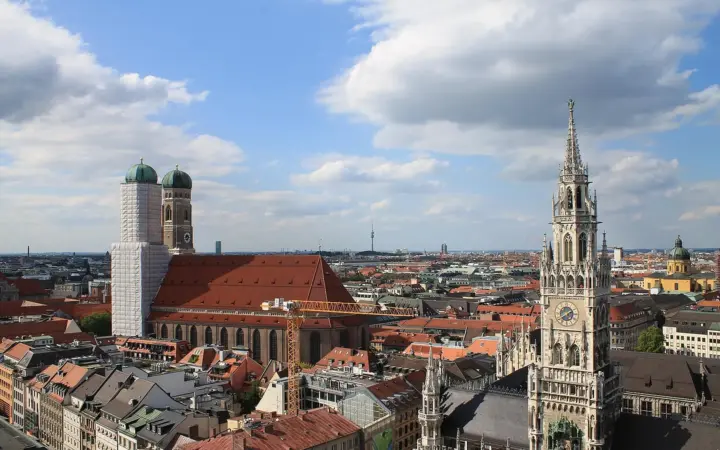
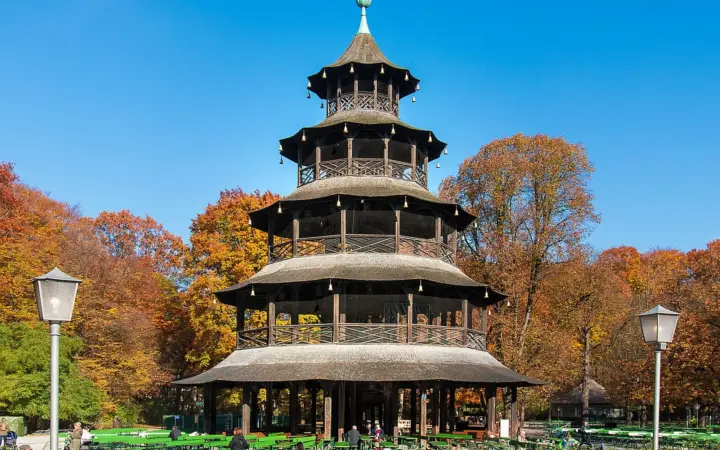
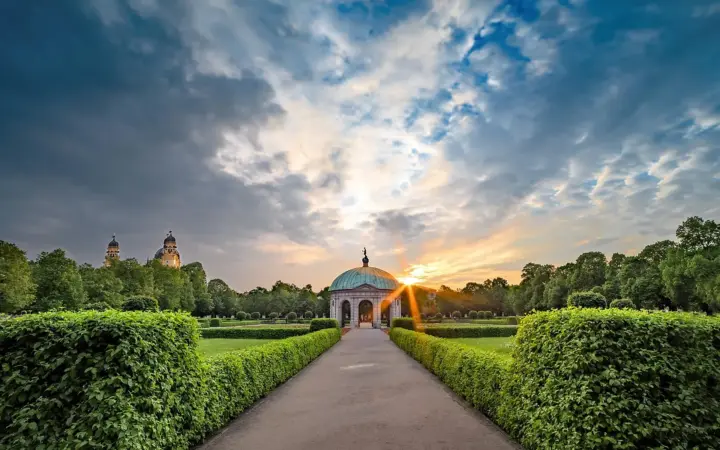
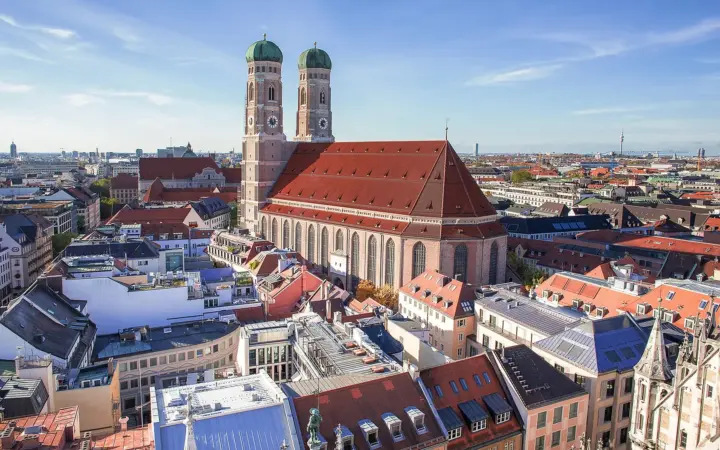
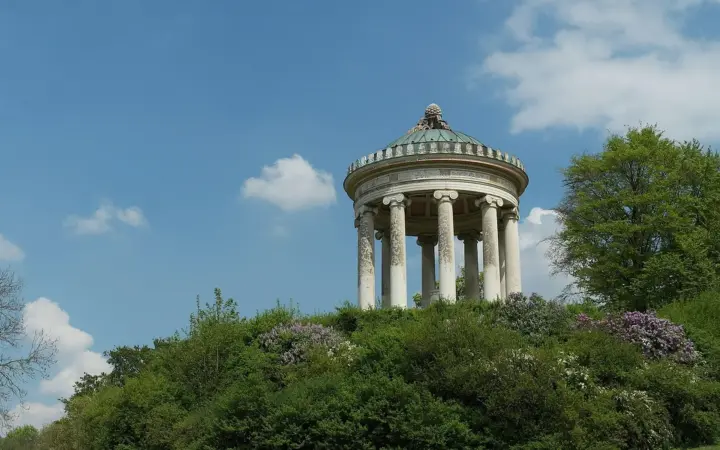
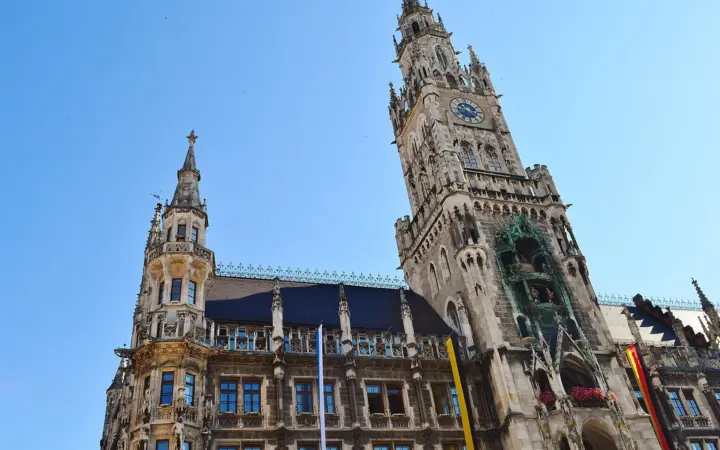
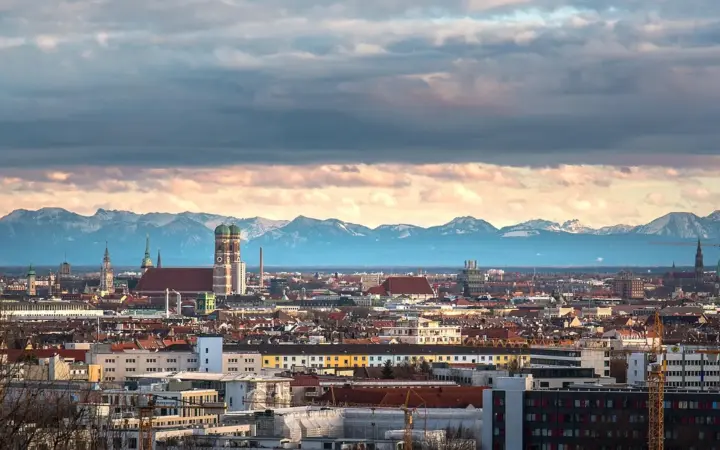
Marienplatz and its Glockenspiel, the Viktualienmarkt food market, the Englischer Garten – where surfers ride a standing wave on the Eisbach – and the treasures of the Pinakothek museums. End the day in a traditional beer garden.
Neuschwanstein and the Allgäu
King Ludwig II’s Neuschwanstein Castle rises above forests and lakes near Füssen, next to the yellow Hohenschwangau Castle. Tickets are timed and sell out: book ahead.
The Bavarian Alps
Garmisch-Partenkirchen and the Zugspitze, Germany’s highest peak, the emerald Königssee near Berchtesgaden and countless mountain huts serving lunch with a view.
Nuremberg, Bamberg and Würzburg
Nuremberg has an imperial castle and one of Germany’s most famous Christmas markets. Bamberg is a beautifully preserved old town known for its smoked beer, and Würzburg has a spectacular baroque palace, the Residenz.
The Romantic Road
A scenic route through walled towns such as Rothenburg ob der Tauber and Dinkelsbühl, ending near Neuschwanstein.
Best time to visit Bavaria
May to September is ideal for beer gardens, lakes and mountain hikes. Oktoberfest runs from late September to the first weekend of October in Munich. December brings the Christmas markets, and from December to March the Alps are ski country.
Getting to and around Bavaria
Munich airport is the main gateway, with Nuremberg close behind. Fast ICE trains connect Munich with Nuremberg in about an hour, and regional trains reach Füssen, Garmisch and Berchtesgaden. For the Alps and small villages, a car gives more freedom, though public transport is good.
Bavaria itinerary ideas
- Four days: Munich (three days) and a day trip to Neuschwanstein.
- One week: Munich, Neuschwanstein, Garmisch and the Königssee.
- Towns and culture: Nuremberg, Bamberg, Würzburg and Rothenburg along the Romantic Road.
What to eat in Bavaria
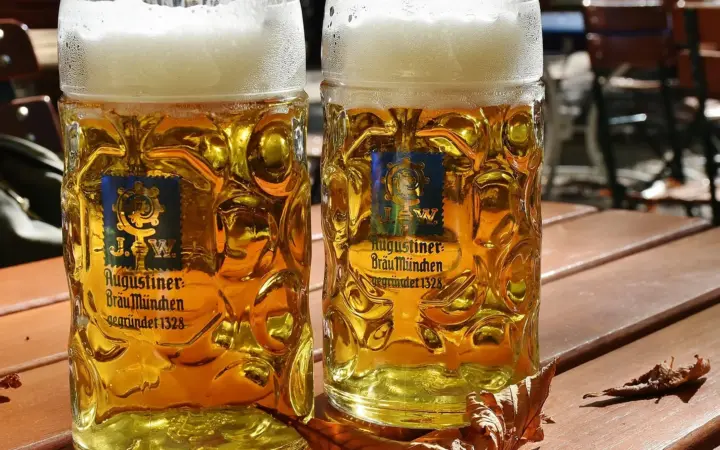
Start with a Weißwurst breakfast – white sausage, sweet mustard and a pretzel, traditionally eaten before noon – then try Schweinshaxe (roast pork knuckle), Obatzda (cheese spread) and Kaiserschmarrn for dessert. Beer is the local drink, from Munich’s famous breweries to Bamberg’s Rauchbier; Franconia also makes excellent white wine.
Bavaria travel tips
- Book Neuschwanstein online in advance and arrive early.
- In traditional beer gardens you may bring your own food – but buy drinks there.
- Regional rail passes can make day trips by train good value.
- Pack layers for the Alps: weather changes quickly in the mountains.
Bavaria FAQ
How many days do you need in Bavaria?
Four or five days for Munich and the castles; a week or more to add the Alps or the Franconian towns.
Can you visit Neuschwanstein as a day trip from Munich?
Yes. Trains to Füssen take about two hours, then a short bus ride. Leave early and book the castle tour in advance.
When is the best time for Oktoberfest?
Weekdays at the start of the festival are less crowded. Book accommodation months ahead whenever you go.