






England is small on the map and enormous in stories. In a single day you can go from Roman baths to a Georgian crescent, from a Premier League stadium to a thatched village where the pub has been pouring pints for centuries. This England travel guide helps you choose the regions, the season and the easiest way to travel between them.
Why England should be your next trip
London, one of the world’s great cities; the university towns of Oxford and Cambridge; the lakes and fells of the north; dramatic coastlines; and countless villages that look straight out of a period drama. Few places are more than a few hours from London by train, so it is easy to combine city and countryside on one trip.
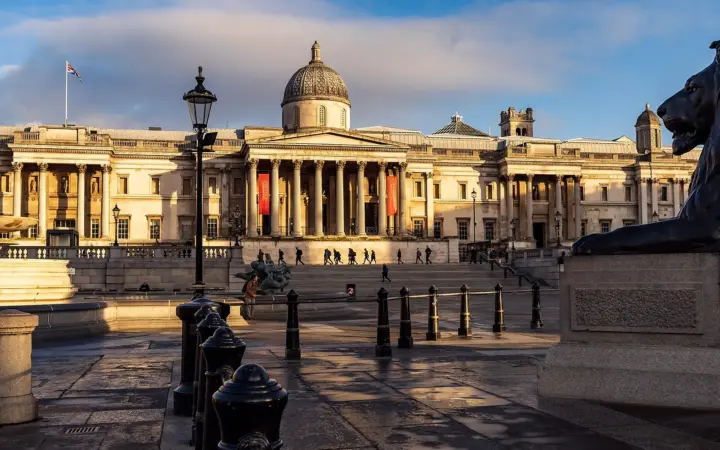
And it is a country that loves visitors: many of London’s great museums, from the British Museum to the National Gallery, are free to enter, footpaths cross almost every field, and there is always a pub with a fire and a Sunday roast.
Where to go in England: the regions at a glance
London: the capital that has it all
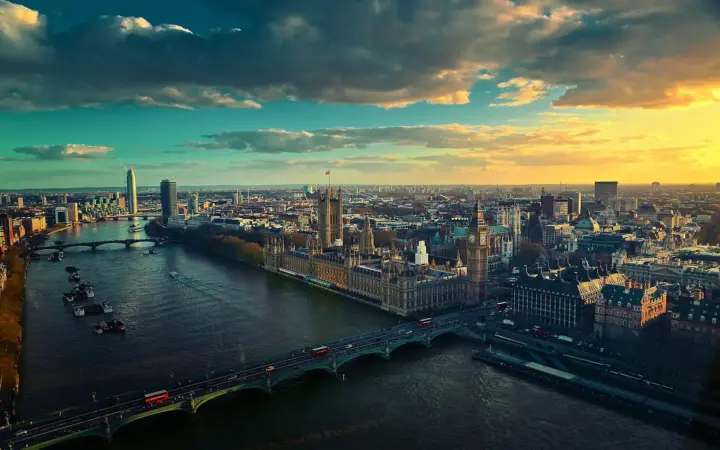
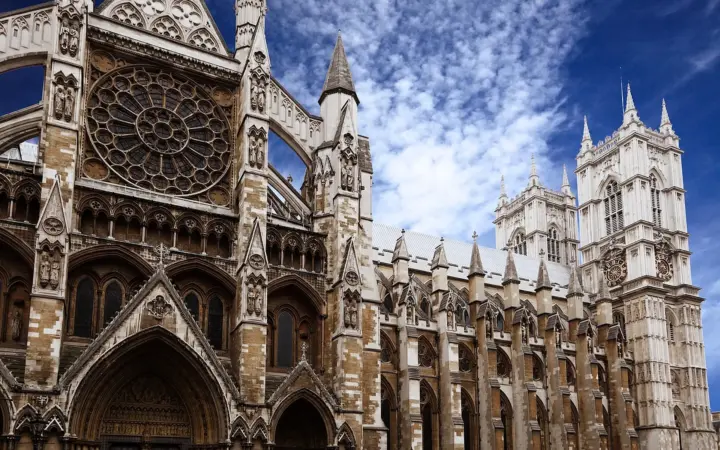
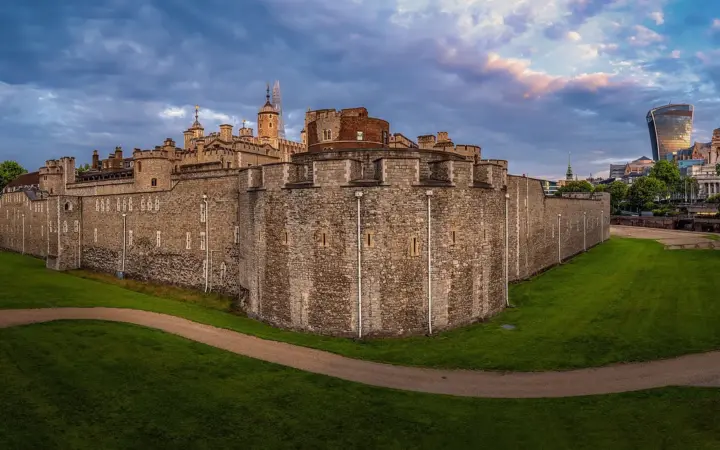
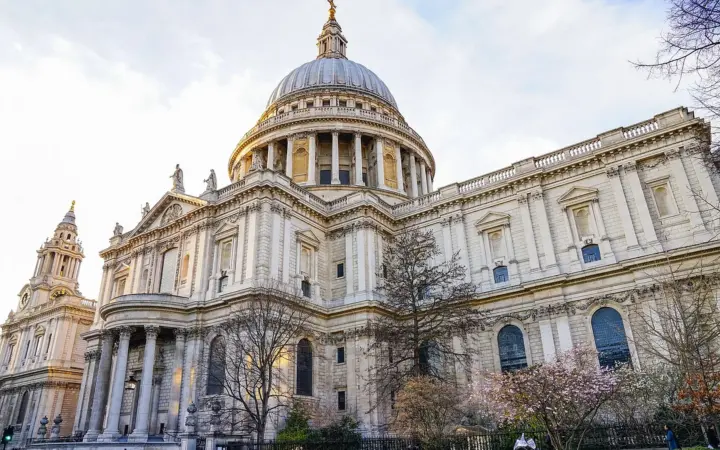
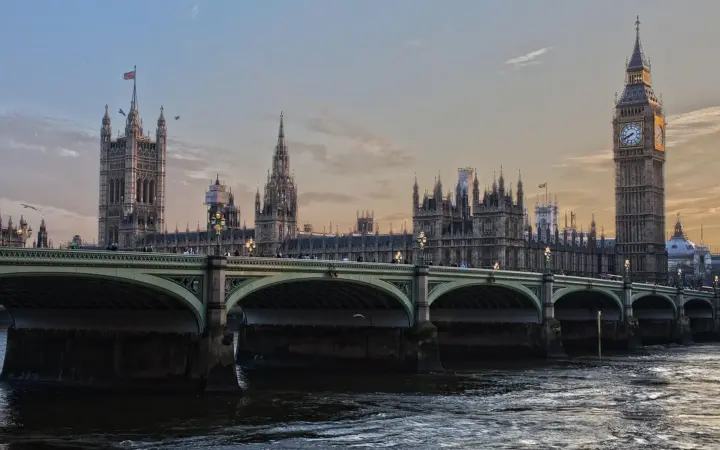
The Tower of London, Westminster Abbey and Big Ben, the British Museum and Tate Modern – then the markets of Borough and Camden, a night at a West End theatre and a walk along the South Bank as the lights come on. Every neighbourhood feels like a different city.
Oxford, Cambridge and the Cotswolds
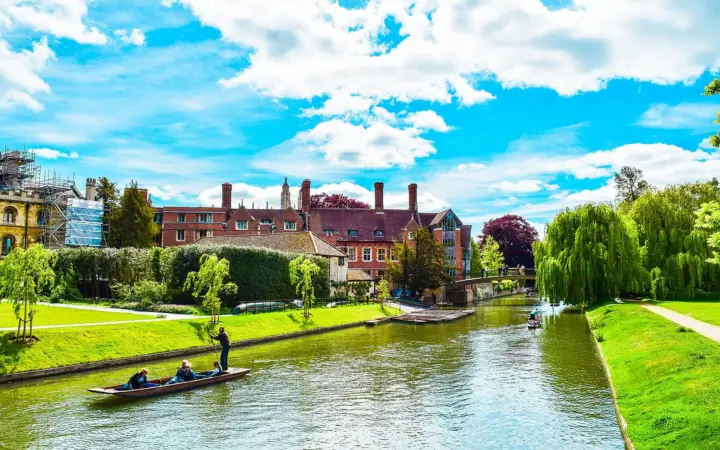
Wander the college quads of Oxford and go punting on the river in Cambridge. Between them and Bath lie the Cotswolds, a landscape of rolling hills and honey-coloured stone villages, perfect for slow drives and long lunches.
Bath, Stonehenge and the south-west
Bath combines Roman baths with elegant Georgian streets, and the ancient stone circle of Stonehenge is an easy trip away. Further west, Devon and Cornwall offer sandy coves, surf beaches, fishing harbours and the artists’ town of St Ives.
The north: York, the Lake District and the great cities
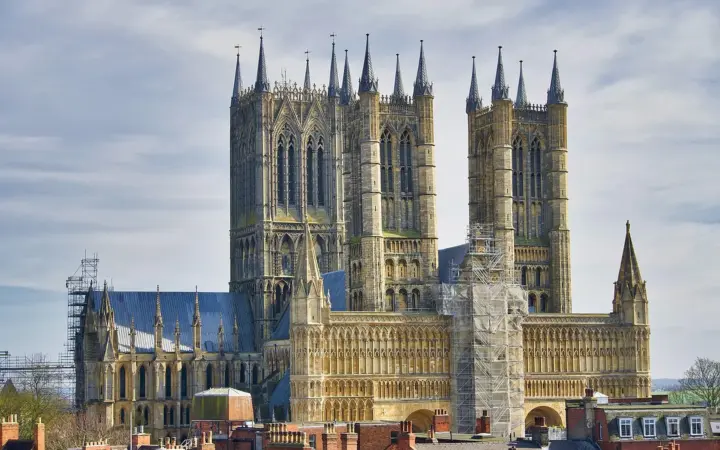
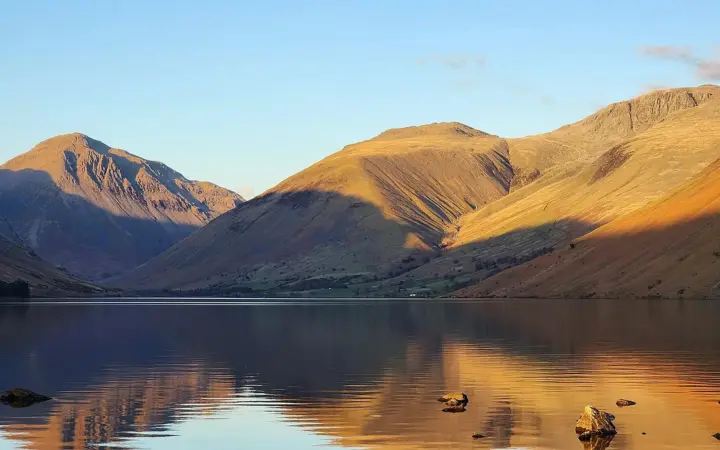
York has a magnificent Gothic minster, medieval walls and the crooked lanes of the Shambles. The Lake District is England’s most beautiful walking country, while Liverpool and Manchester bring music, football and a great food scene.
Kent and the south coast
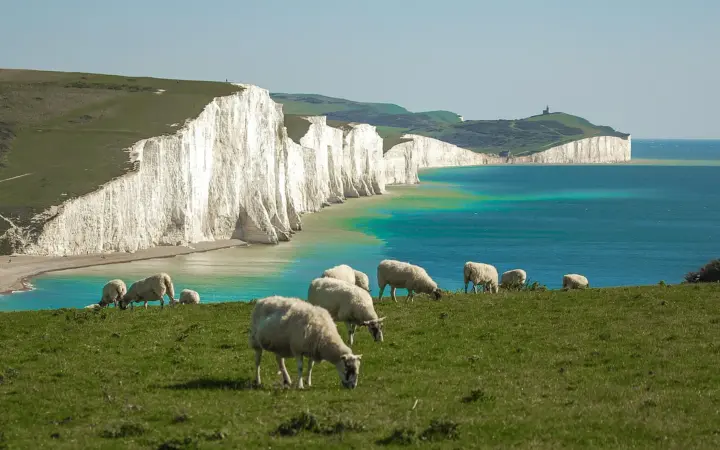
Canterbury Cathedral, the white cliffs of Dover and the pier, lanes and seafront of Brighton – all within easy reach of London for a day trip or a weekend.
Best time to visit England
May to September is the best time: mild temperatures, long evenings and gardens in full bloom. June has the longest days, with daylight until after 9 pm. Rain can fall in any month, so pack a light waterproof whatever the season. Winter brings short days but also Christmas lights, festive markets and cosy pubs.
Dates worth planning around:
- Chelsea Flower Show in London (May).
- Wimbledon tennis championships (late June to July).
- Notting Hill Carnival (August bank holiday weekend).
- Bonfire Night, with fireworks across the country (5 November).
How to get around England
Flying in and the Eurostar
London Heathrow is the main gateway, followed by Gatwick, Stansted and Manchester. From Heathrow, the Elizabeth line and the Heathrow Express reach central London. Eurostar trains link Paris and Brussels with London St Pancras. Before you travel, check whether you need an Electronic Travel Authorisation (ETA): most visitors who do not need a visa, including EU citizens, must apply for one.
Trains and the London Underground
England’s rail network reaches almost everywhere: London to Bath, York or Manchester takes around two hours or less. Book specific trains in advance for long journeys. In London, simply tap in and out with a contactless card or phone on the Tube, buses and trains.
Car: drive on the left
A car is ideal for the Cotswolds, Cornwall and the Lake District, where country lanes are narrow and beautiful. Remember that traffic drives on the left, and avoid driving into central London: it has a congestion charge and an ultra-low emission zone (ULEZ).
England itinerary ideas for a first trip
- One week, the classics: four days in London, a day trip to Oxford, then Bath and Stonehenge.
- Ten days, south to north: London, the Cotswolds, Bath, York and the Lake District.
- A south-west road trip: Bath, Devon and Cornwall’s coves and fishing villages.
- A London long weekend: the city, plus a day trip to Cambridge or Brighton.
What to eat in England
The golden rule: find a good pub. It is the best place for a Sunday roast with Yorkshire pudding, a pie and a pint of local ale. By the sea, nothing beats fish and chips; in the morning, try a full English breakfast, and in the afternoon, afternoon tea with scones, clotted cream and jam (in Devon the cream goes first, in Cornwall the jam – locals take this very seriously). Do not miss England’s love of curry, either. Dinner is earlier than in southern Europe, and many pub kitchens stop serving around 9 pm.
England travel tips: what to know before you go
- Money: the currency is the pound sterling (GBP), not the euro. Contactless payment works almost everywhere, and some places are card-only.
- Tipping: around 10–12.5 % in restaurants if service is not already on the bill (check first); not expected when ordering at the bar in a pub.
- Entry: check the ETA requirements on the official UK government website before booking.
- Plugs: type G, 230 V – most visitors need an adapter.
- Emergencies: call 999 (112 also works).
- Time zone: GMT in winter and British Summer Time (GMT+1) in summer.
- Crossing the road: traffic comes from the right, so look right first.
England travel FAQ
How many days do you need in England?
Four or five days for London, and a week to ten days to add Bath, the Cotswolds, York or the Lake District.
Do I need an ETA to visit England?
Most visitors who do not need a visa, including EU citizens, need an Electronic Travel Authorisation before travelling to the UK. Apply online through the official UK government website.
What is the difference between England, Great Britain and the UK?
England is one of the four nations of the United Kingdom, together with Scotland, Wales and Northern Ireland. Great Britain is the island that holds England, Scotland and Wales.
Is it worth travelling outside London?
Absolutely. Bath, Oxford, York and the Cotswolds are all within about two hours by train or car, and they show a completely different side of England.