





Seven islands, seven different worlds – and the same mild sunshine all year. The Canary Islands sit in the Atlantic off the coast of Africa, yet they are as Spanish as tapas. This Canary Islands travel guide helps you choose the right island for the trip you want.
Why visit the Canary Islands
The Canaries are famous for their eternal spring: temperatures rarely leave the 18–26 °C range, which makes them Europe’s go-to winter escape. But there is far more than beaches: Spain’s highest mountain, lunar volcanic landscapes, ancient laurel forests and some of the clearest night skies on Earth.
Each island has its own personality, so it is worth picking carefully – or island-hopping.
Which island to choose
Tenerife
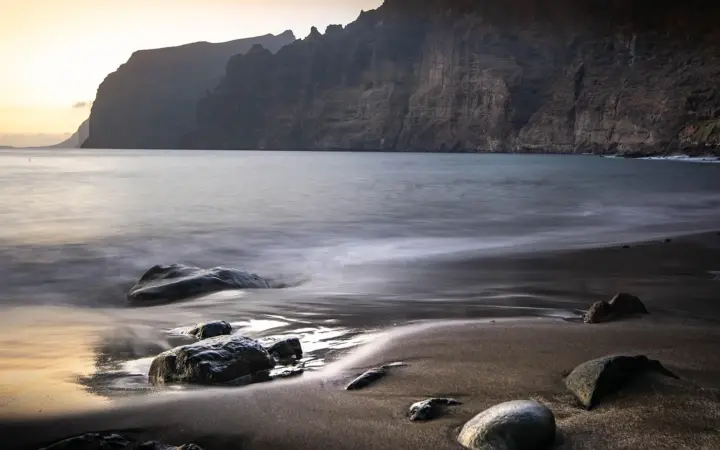
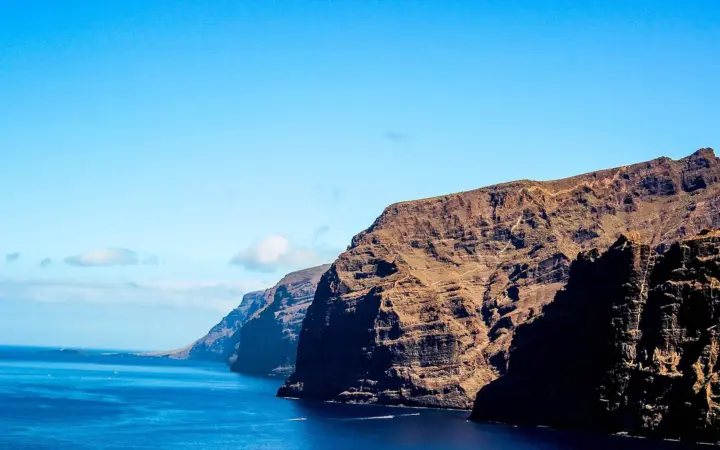
The largest island, crowned by Mount Teide (3,715 m), Spain’s highest peak and a national park. Combine the volcano with the old town of La Laguna, the cliffs of Los Gigantes and the green Anaga mountains.
Gran Canaria
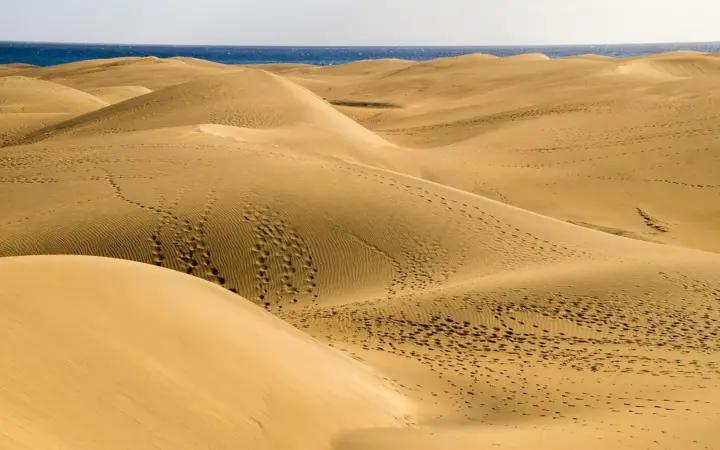
A “continent in miniature”, with the Maspalomas dunes in the south, the mountain villages and Roque Nublo in the centre, and a lively capital, Las Palmas, with a great city beach.
Lanzarote
Volcanic and striking: the fire mountains of Timanfaya, vineyards growing in black ash at La Geria and the art and architecture of César Manrique, who shaped the island’s low-rise style.
Fuerteventura
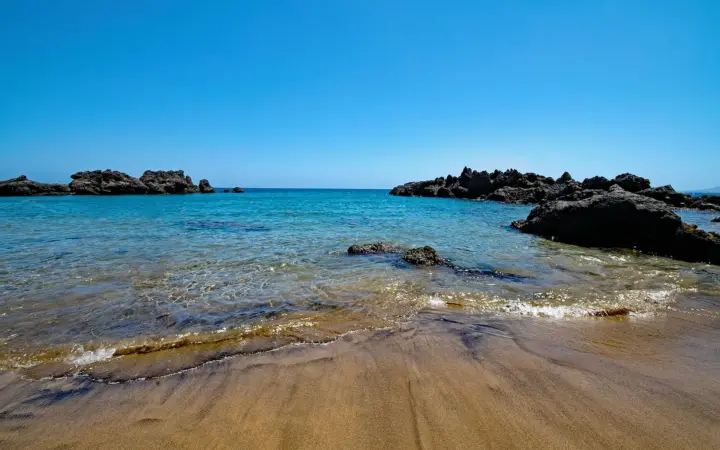
Endless golden beaches and constant wind, perfect for surfing, windsurfing and kitesurfing, especially around Corralejo and Sotavento.
La Palma, La Gomera and El Hierro
The quieter, greener islands: La Palma’s observatories and stargazing, the laurel forest of Garajonay on La Gomera and the wild, unspoilt coast of El Hierro.
Best time to visit the Canary Islands
Any time of year. October to April is high season, when Northern Europeans come for winter sun. Spring is perfect for hiking, and summer is warm but rarely scorching thanks to the trade winds. Now and then, the *calima* – dust from the Sahara – brings hazy, hotter days.
Highlight of the year: the Carnival of Santa Cruz de Tenerife and Las Palmas in February, one of the biggest in the world.
Getting to and around the Canary Islands
Every main island has an airport with direct flights from mainland Spain and much of Europe. Between islands, use the ferries or short inter-island flights. On each island, a rental car is the best way to explore; buses (called *guaguas*) cover the main routes.
Canary Islands itinerary ideas
- One week in Tenerife: Teide, La Laguna, Anaga, Los Gigantes and a whale-watching trip.
- Island-hopping: Gran Canaria and Tenerife, linked by a short ferry.
- Volcanoes and beaches: Lanzarote and Fuerteventura, just half an hour apart by boat.
What to eat in the Canary Islands
Do not leave without trying papas arrugadas con mojo – wrinkly salted potatoes with red and green sauces – plus fresh grilled fish, goat’s cheese and gofio, a toasted grain flour used in many dishes. To drink: volcanic wines from Lanzarote and Tenerife.
Canary Islands travel tips
- Time zone: the islands are one hour behind mainland Spain.
- Pack layers: it can be cold on Mount Teide even when it is hot on the beach.
- Climbing Teide: the path to the very summit requires a free permit that must be booked in advance.
- Sun protection: the sun is stronger than it feels with the breeze.
Canary Islands FAQ
Which Canary Island is best for a first visit?
Tenerife or Gran Canaria: both combine beaches, mountains and towns, and have the most flights.
Are the Canary Islands warm in winter?
Yes. Daytime temperatures usually stay around 20–24 °C in winter, although the sea is cooler than in summer.
Can you visit several islands in one trip?
Yes. Ferries and short flights make island-hopping easy; Tenerife–La Gomera and Lanzarote–Fuerteventura are classic combinations.