


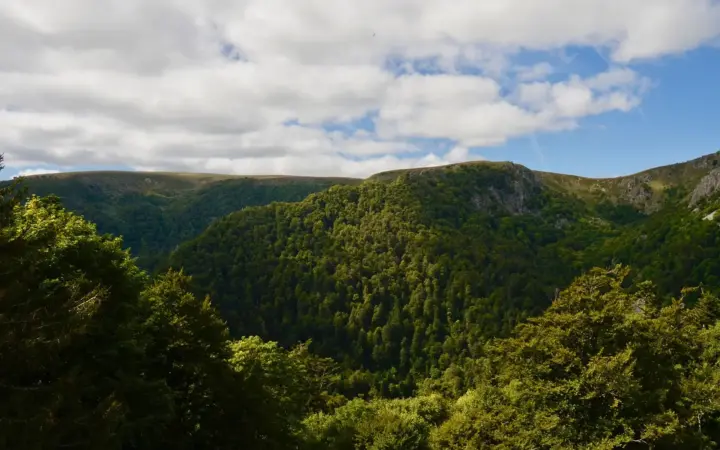
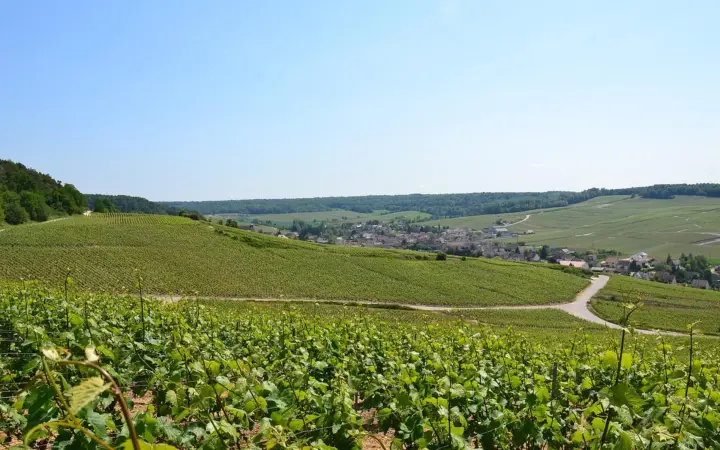
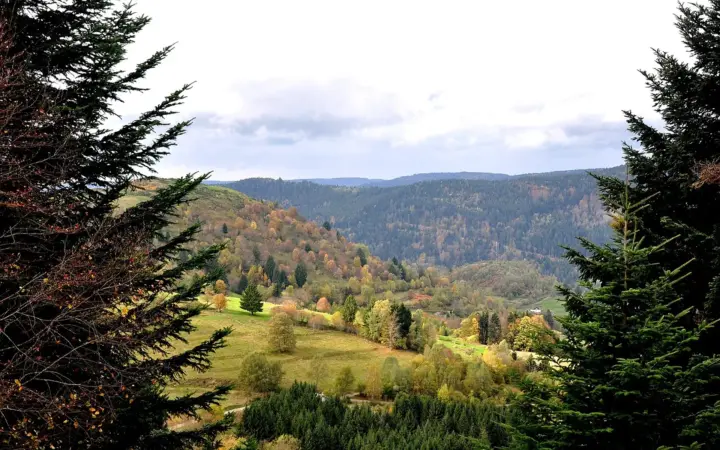
Grand Est brings together Alsace, Champagne and Lorraine. In the north-east of France, bordering Germany, Switzerland, Luxembourg and Belgium, it is a region of picturesque wine villages, world-famous bubbles, elegant cities and moving history. This travel guide helps you choose where to go.
Why visit Grand Est
You can taste Champagne in the cellars where it is made, follow the Alsace Wine Route through flower-filled villages, admire the cathedrals of Strasbourg and Reims, and visit the First World War battlefields of Verdun.
Top places to visit in Grand Est
Strasbourg
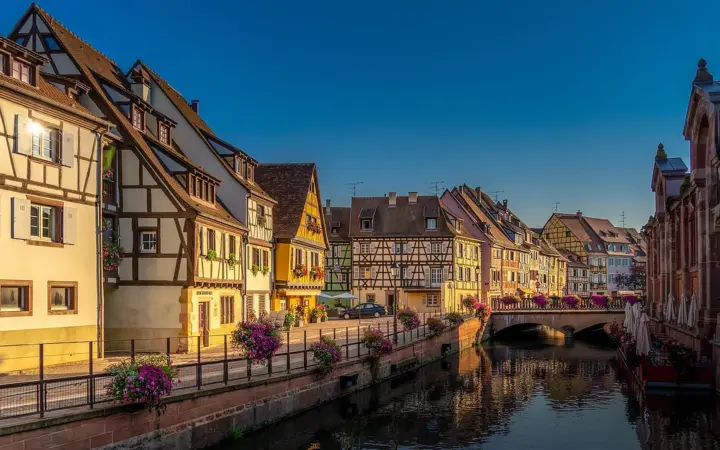
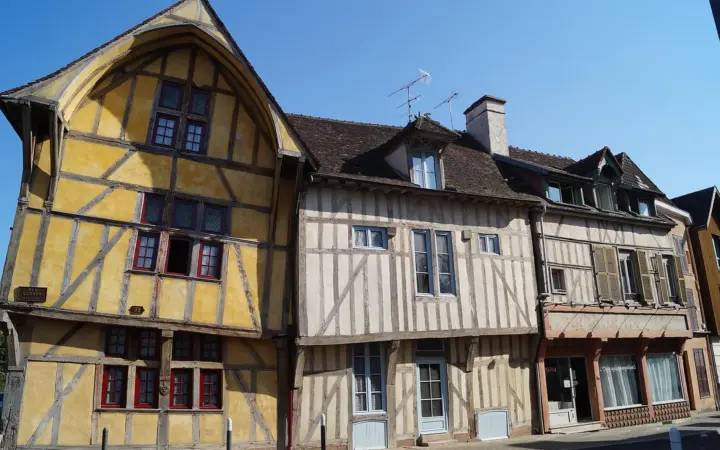
The Grande Île, Strasbourg’s historic centre, is a UNESCO site with a magnificent Gothic cathedral and the half-timbered houses of La Petite France. Strasbourg’s Christmas market is one of the oldest in Europe.
Colmar and the Alsace Wine Route
Colmar is a fairytale town of canals and coloured houses. The Route des Vins d’Alsace links villages such as Riquewihr, Eguisheim and Kaysersberg.
Reims and Épernay
Reims Cathedral, where French kings were crowned, is a Gothic masterpiece. In Reims and on the Avenue de Champagne in Épernay, the great Champagne houses offer cellar tours.
Nancy
Place Stanislas in Nancy is one of the most beautiful squares in Europe, and the city is a centre of Art Nouveau.
Verdun and the battlefields
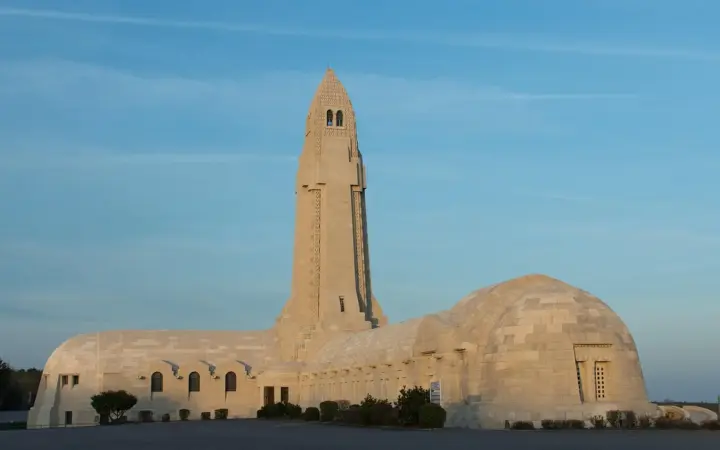
Verdun and its memorials, forts and the Douaumont ossuary recall one of the longest battles of the First World War.
Best time to visit
May to October is ideal for wine routes and walks. The grape harvest takes place in September and October. From late November to December, the Christmas markets are magical. Winters are cold.
Getting to and around
TGV trains link Paris to Strasbourg in about 1 hour 50 minutes and to Reims in about 45 minutes. Strasbourg and EuroAirport Basel-Mulhouse are the main airports. A car or bike is best for the wine routes.
What to eat and drink
Choucroute, flammekueche (tarte flambée), baeckeoffe, quiche lorraine, mirabelle plums, kougelhopf, Munster cheese, Alsace white wines and, of course, Champagne.
Travel tips
- Book Champagne cellar tours in advance.
- Stay in a wine village to enjoy Alsace in the evening.
- Expect crowds at the Christmas markets on weekends.
Grand Est FAQ
What is Grand Est known for?
Champagne, the Alsace Wine Route, Strasbourg, Christmas markets and the Verdun memorials.
How many days do I need?
Four to six days to combine Alsace and Champagne.