

Germany surprises people. They come for the castles and the beer, and leave talking about Berlin’s nightlife, a boat trip past the vineyards of the Rhine or a perfect slice of cake in a Black Forest café. This Germany travel guide helps you choose the regions, the season and the smartest way to get around.
Why Germany should be your next trip
Medieval old towns, fairy-tale castles, world-class museums, the Alps and the Rhine – plus some of Europe’s most creative cities. Until 1871 Germany was a patchwork of kingdoms and free cities, so every region still has its own character, its own dialect and, of course, its own beer.
It is also one of the easiest countries in Europe to explore: a dense rail network, efficient public transport and long-distance cycle paths connect almost everything, and the cities are compact, green and safe to walk.
Where to go in Germany: the regions at a glance
Berlin: history and the creative capital
The Brandenburg Gate, the glass dome of the Reichstag, the East Side Gallery on the remains of the Wall and the five museums of Museum Island. Then lose yourself in the cafés and street art of Kreuzberg and Prenzlauer Berg, and keep a day for the palaces of Potsdam.
Bavaria: castles, beer halls and the Alps
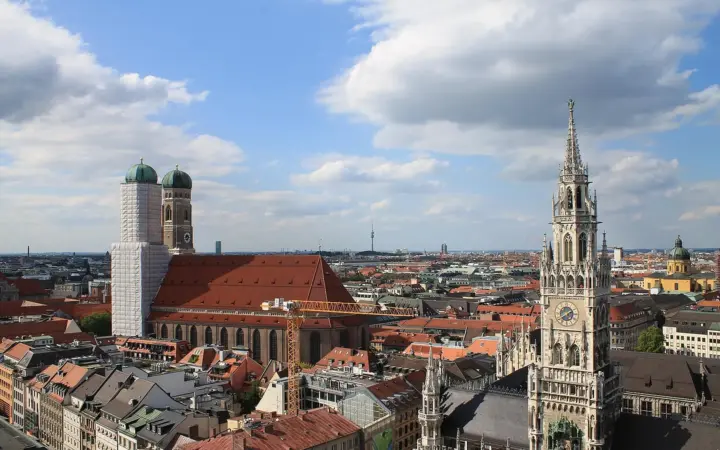
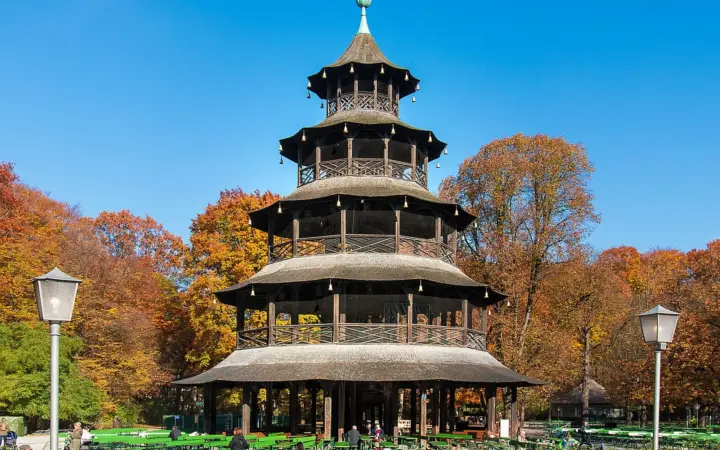
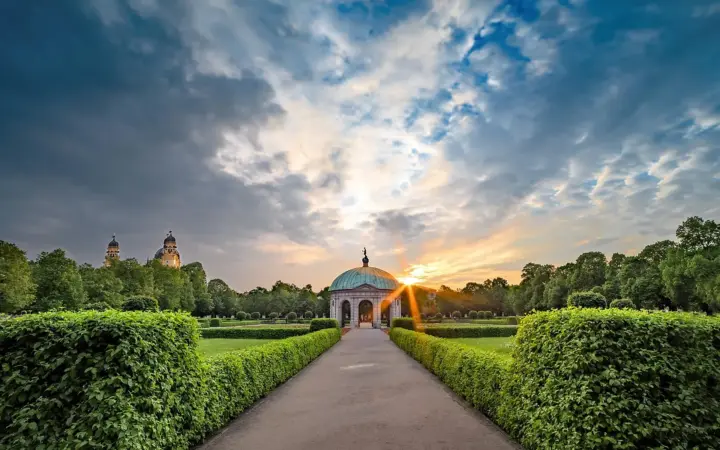
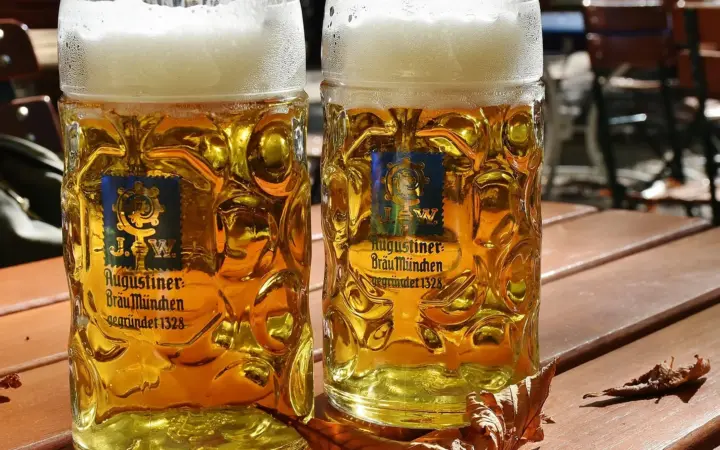
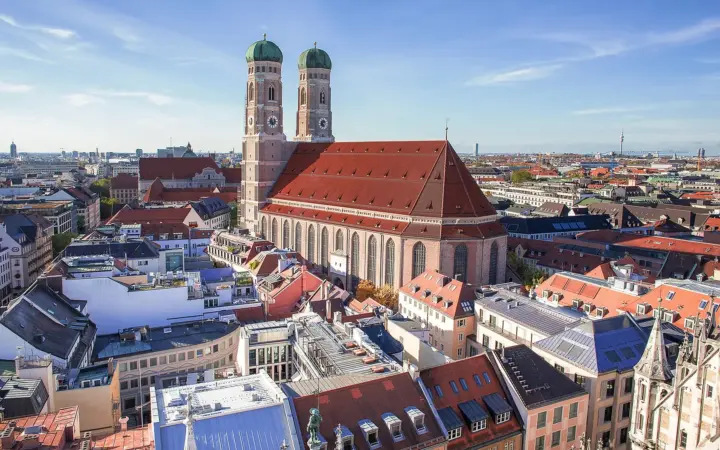
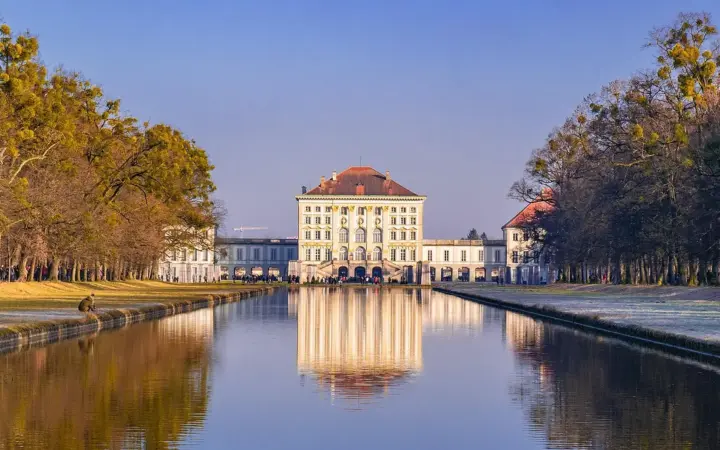
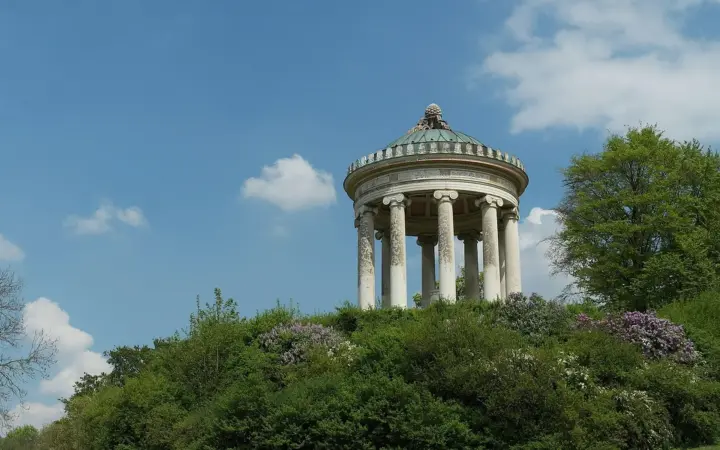
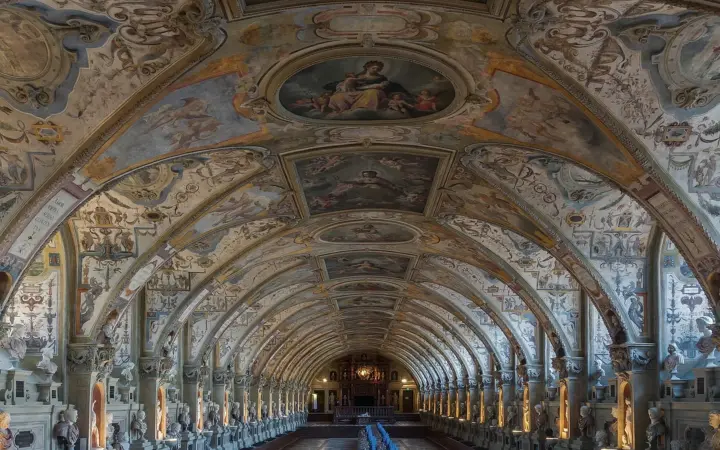
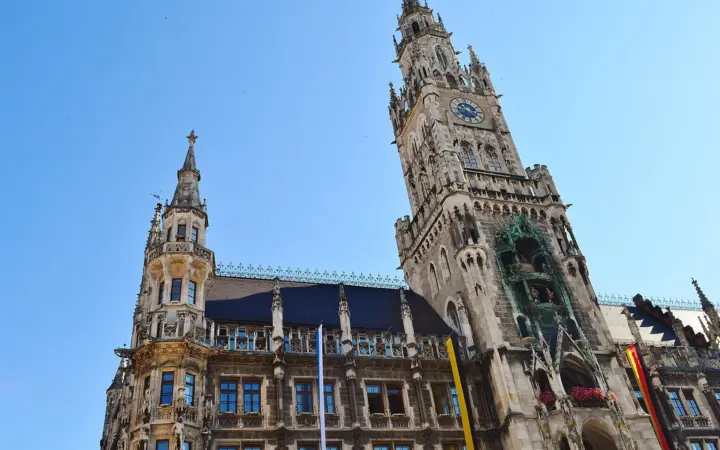
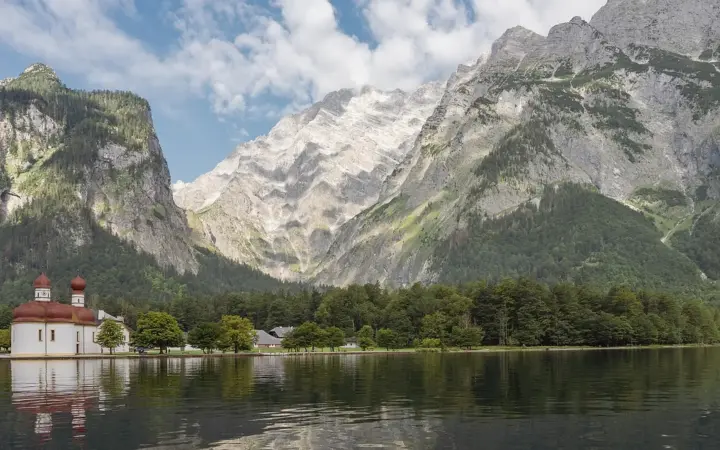
Munich is all beer gardens, baroque churches and great art galleries. A short trip away rises Neuschwanstein Castle, the inspiration for so many fairy tales, and further south are Alpine villages and the Zugspitze, Germany’s highest peak. Don’t miss medieval Nuremberg.
The Romantic Road and the Black Forest
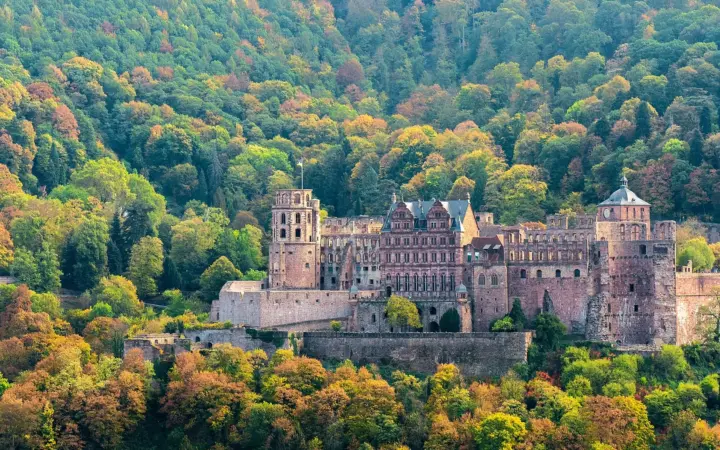
Walk the walls of Rothenburg ob der Tauber, one of the best-preserved medieval towns in Europe, then head to the castle and old bridge of Heidelberg. In the Black Forest, dark pine woods, cuckoo clocks and the elegant spa town of Baden-Baden await.
The Rhine and the Moselle: castles and vineyards
Start at Cologne Cathedral, then follow the Middle Rhine Valley, a UNESCO World Heritage landscape with a castle on almost every bend and the legendary Lorelei rock. The Moselle, with its steep vineyards and riverside villages such as Cochem, is the perfect slower alternative.
Hamburg and the north: harbours and sea air
Hamburg is a port city with style: the spectacular Elbphilharmonie, the red-brick warehouses of the Speicherstadt and the Sunday fish market. Nearby, Lübeck has a Hanseatic old town, and the Baltic and North Sea coasts offer beaches, dunes and islands.
Saxony: Dresden and Leipzig
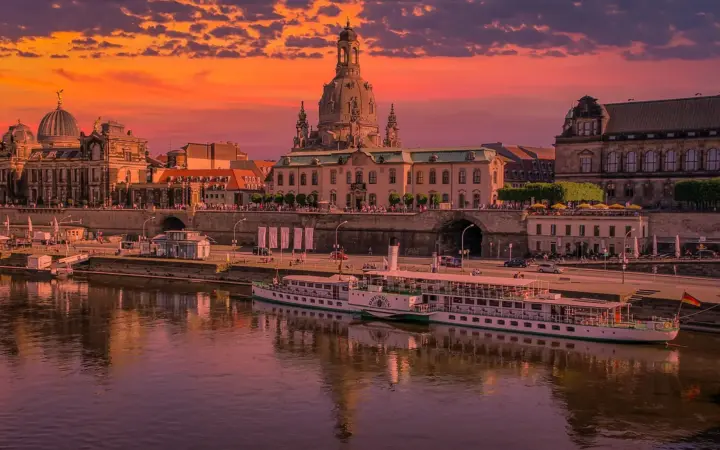
Dresden is a baroque jewel rebuilt after the war, crowned by the Frauenkirche. Leipzig combines Bach’s heritage with one of Germany’s liveliest creative scenes, and the sandstone rocks of Saxon Switzerland are a short train ride away.
Best time to visit Germany
May to September is the best time: long days, open-air festivals and beer gardens in full swing. Summer is usually pleasant, with occasional heatwaves. Autumn turns the vineyards gold and brings the wine festivals, while winter is cold and often grey – but the Christmas markets more than make up for it.
Dates to plan around:
- Carnival in Cologne and the Rhineland (February).
- Oktoberfest in Munich (from late September to early October).
- Christmas markets in Nuremberg, Dresden and Cologne (late November to 23 December).
How to get around Germany
Flying in
Frankfurt and Munich are the main hubs, followed by Berlin Brandenburg, Düsseldorf and Hamburg. All of them are linked to the city centre by train.
Trains: ICE and regional transport
Deutsche Bahn’s ICE high-speed trains connect the big cities: Berlin to Munich takes about four hours, Frankfurt to Cologne about one. Book long-distance trains early and leave some margin for connections, as delays are common. For local and regional travel, the Deutschlandticket, a monthly pass, covers buses, trams and regional trains nationwide – but not ICE or IC trains.
Car and the Autobahn
A car is ideal for the Romantic Road, the Black Forest and the Moselle. Some stretches of the Autobahn have no general speed limit (130 km/h is recommended), and many cities have low-emission zones (Umweltzonen) that require a green sticker on the windscreen.
Germany itinerary ideas for a first trip
- One week, the classics: Berlin (three days), then the ICE to Munich with a day trip to Neuschwanstein.
- Ten days, east to south: Berlin, Dresden, Munich and the Romantic Road to Heidelberg.
- A Rhine road trip: Cologne, the Middle Rhine Valley and the Moselle.
- Winter magic: the Christmas markets of Nuremberg, Dresden and Cologne.
What to eat in Germany
The golden rule: follow the region. In Bavaria, start with Weißwurst, sweet mustard and a pretzel, and finish in a beer garden; in Berlin, try currywurst and the city’s famous döner kebab. In the afternoon, do as the Germans do with Kaffee und Kuchen – coffee and cake, ideally Black Forest gâteau. Germans eat earlier than southern Europeans: lunch from about 12 to 2 pm and dinner from 6 pm. And the drinks: local beer in every town, and crisp Riesling from the Rhine and the Moselle.
Germany travel tips: what to know before you go
- Language: German; English is widely spoken, especially in cities and by younger people.
- Money: the currency is the euro. Cards are increasingly accepted, but cash is still common – carry some for bakeries, beer gardens and small shops.
- Tipping: round up or add around 5–10 %, and tell the server the total when you pay rather than leaving coins on the table.
- Sundays: almost all shops are closed, except at stations and airports.
- Pfand: bottles and cans carry a deposit; return them to the machines in any supermarket.
- Plugs: types C and F, 230 V.
- Emergencies: call 112.
Germany travel FAQ
How many days do you need in Germany?
A week is enough for Berlin and Munich. With two weeks you can add the Rhine, the Romantic Road or Dresden.
Do you need cash in Germany?
Yes, carry some. Card payment is now widespread, but small cafés, bakeries and market stalls sometimes only take cash.
When is Oktoberfest?
Oktoberfest runs for about two weeks from late September to the first weekend of October in Munich. Hotels fill up months in advance, so book early.
Is the Deutschlandticket worth it for visitors?
If you plan to use lots of regional trains, buses and trams in a calendar month, yes. Remember that it does not cover the high-speed ICE and IC trains.