



This is where England goes on holiday. The South West stretches from the Georgian elegance of Bath to the rugged tip of Cornwall, with sandy coves, surf beaches, prehistoric stones and moors where wild ponies roam. This South West England travel guide helps you pick the coast, the towns and the right time to go.
Why visit South West England
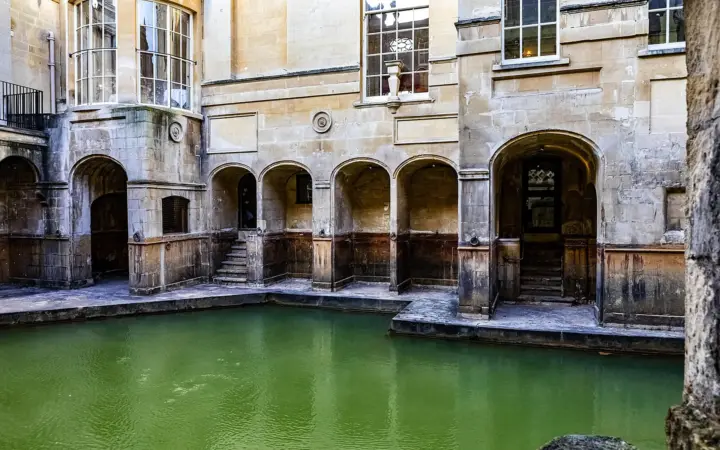
The region has England’s longest coastline, much of it protected and walkable on the South West Coast Path. Inland are Dartmoor and Exmoor, the honey-stone towns of the southern Cotswolds and some of the country’s most famous sights: Stonehenge, the Roman Baths and the Jurassic Coast, a UNESCO World Heritage site.
It has a gentler climate than the rest of England, and a slower pace of life to match.
Top places to visit in South West England
Bath and Bristol
Bath combines the Roman Baths with Georgian crescents and a fine abbey. Nearby Bristol is creative and lively, with the SS Great Britain, harbourside bars and plenty of street art.
Stonehenge and Salisbury
The world’s most famous stone circle stands on Salisbury Plain, and the city of Salisbury has a cathedral with England’s tallest spire.
The Jurassic Coast
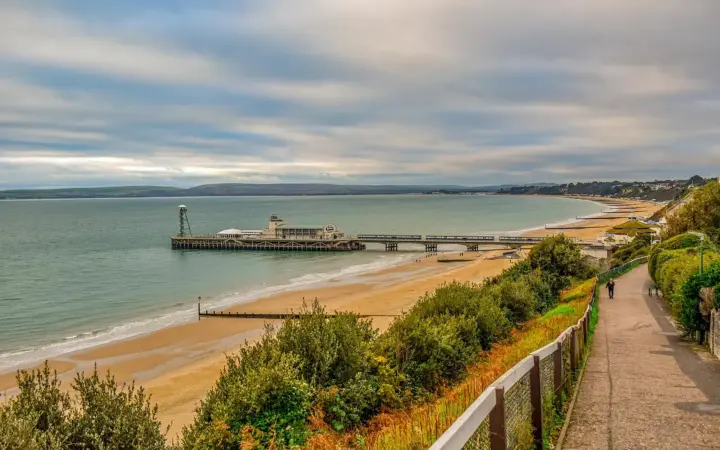
In Dorset and East Devon, cliffs reveal 185 million years of Earth’s history. Don’t miss the natural arch of Durdle Door and the cove at Lulworth.
Devon
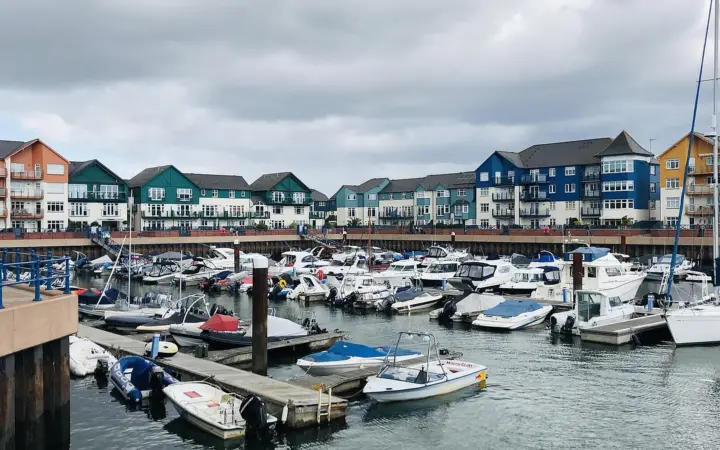
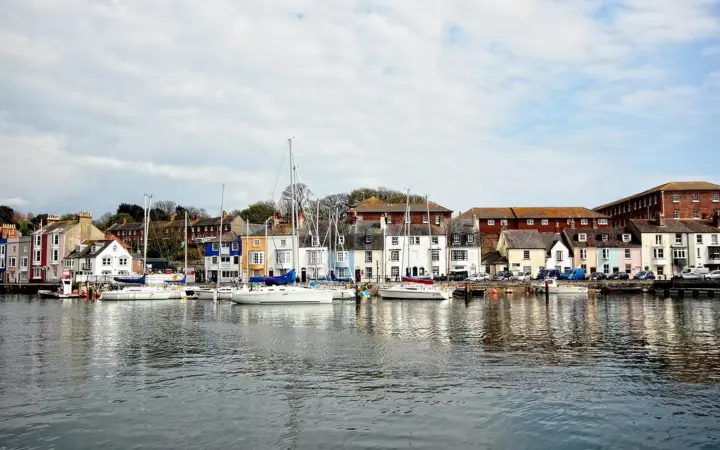
Dartmoor’s granite tors and wild ponies, the seaside towns of the English Riviera, the historic port of Dartmouth and the city of Exeter.
Cornwall
Artists’ town St Ives, the tidal island of St Michael’s Mount, the cliffs of Land’s End and Tintagel, surf in Newquay and the giant biomes of the Eden Project.
Best time to visit South West England
May to September offers the warmest weather and the best beach days. July and August are school holidays: roads and beaches are busy, so book early. June and September are the sweet spot, with long days and fewer crowds. Winter is mild but windy – perfect for coastal walks and cosy pubs.
Getting to and around South West England
Trains from London Paddington reach Bath in about an hour and a half and continue all the way to Penzance in Cornwall; there is even a sleeper train. Bristol and Exeter have airports. To explore the coast, moors and small villages, a car is the most practical option, but expect narrow, high-hedged lanes.
South West England itinerary ideas
- Four days: Bath, Stonehenge and a day on the Jurassic Coast.
- One week: Bath, Dorset, Devon and the north Cornish coast.
- Cornwall in depth: St Ives, St Michael’s Mount, Land’s End and the Eden Project.
What to eat in South West England
Try a Cornish pasty, a cream tea with scones, clotted cream and jam, fresh crab and fish in the harbours, and Cheddar cheese from Somerset. To drink: Somerset cider and local ales.
South West England travel tips
- Book Stonehenge tickets in advance.
- Check the tide times for St Michael’s Mount and many beaches.
- Pay attention to parking: village car parks fill up fast in summer.
- Pack layers and a raincoat – the weather can change quickly on the coast.
South West England FAQ
Cornwall or Devon?
Cornwall for wilder coast, surf and artists’ towns; Devon for moors, two coastlines and gentler seaside towns. Many trips combine both.
How many days do you need in the South West?
Four days for Bath and the Jurassic Coast; a week or more to reach Cornwall without rushing.
Can you visit Cornwall without a car?
Yes, partly: trains reach Penzance, St Ives, Newquay and Falmouth, and buses link many villages, but a car gives far more freedom.