

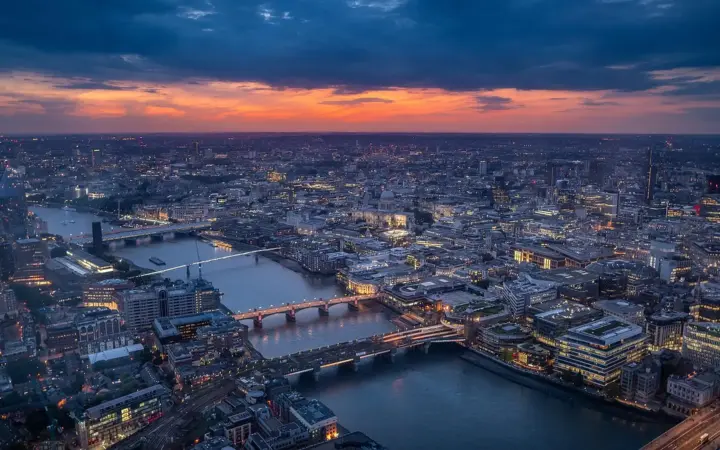
London is not one city – it is dozens of villages that grew into each other. Royal Westminster, the medieval City, Victorian markets, riverside palaces and green parks bigger than some towns. This London travel guide helps you choose the neighbourhoods, the sights and the escapes on the edge of the city.
Why visit London
Few cities offer so much, so close together: centuries of history, world-class theatre, a food scene from every corner of the globe and many great museums that are free to enter.
Greater London also reaches far beyond the centre, to Greenwich, Kew Gardens and Hampton Court Palace – easy to reach and well worth a day each.
Top areas to visit in London
Westminster and the South Bank
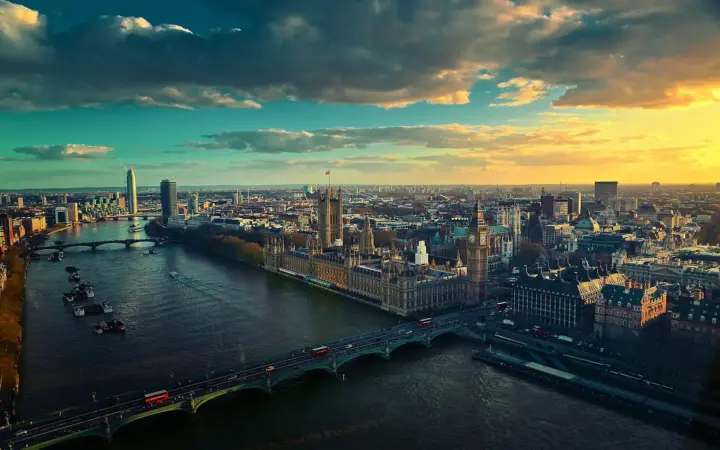
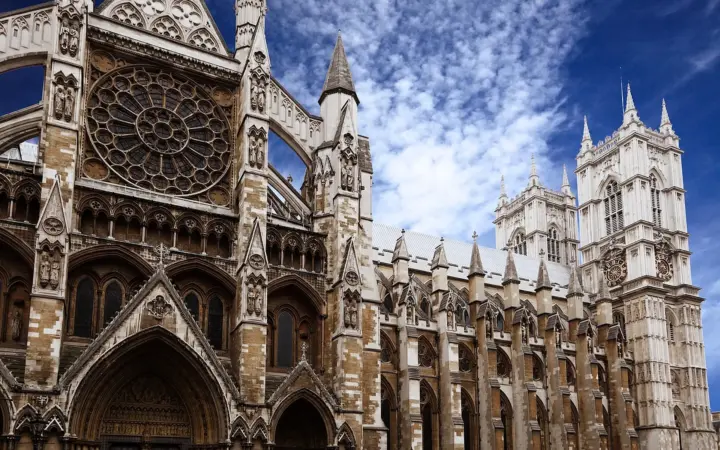
Big Ben, the Houses of Parliament, Westminster Abbey and Buckingham Palace, then cross the river for the London Eye, Tate Modern and the theatres and street performers of the South Bank.
The City and the Tower
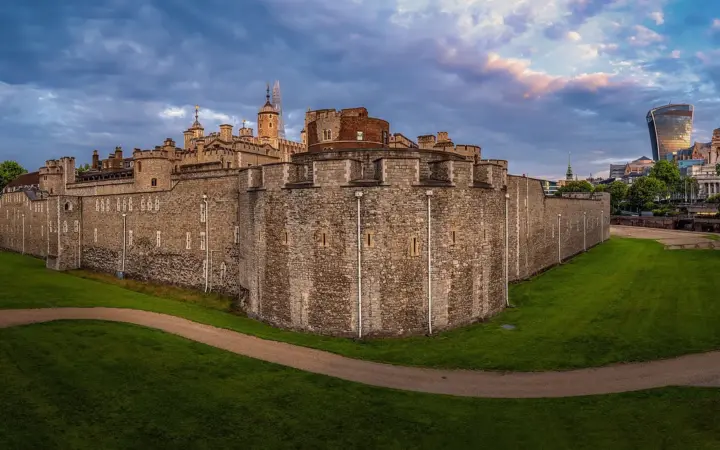
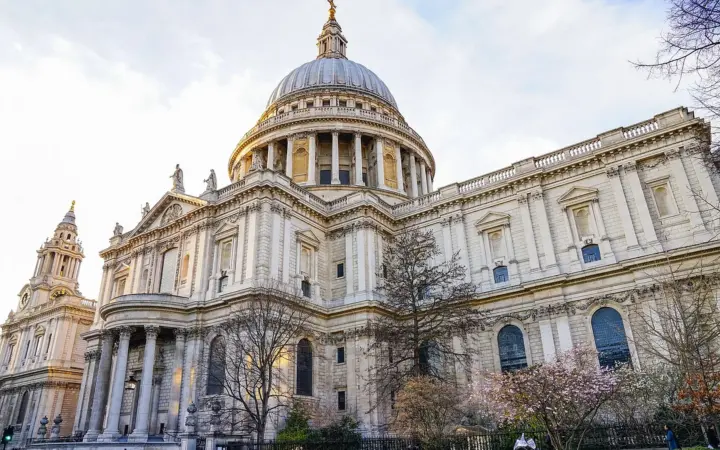
The Tower of London and its Crown Jewels, Tower Bridge, St Paul’s Cathedral and the glass towers of the financial district – where Roman walls still peek out between offices.
South Kensington and the West End
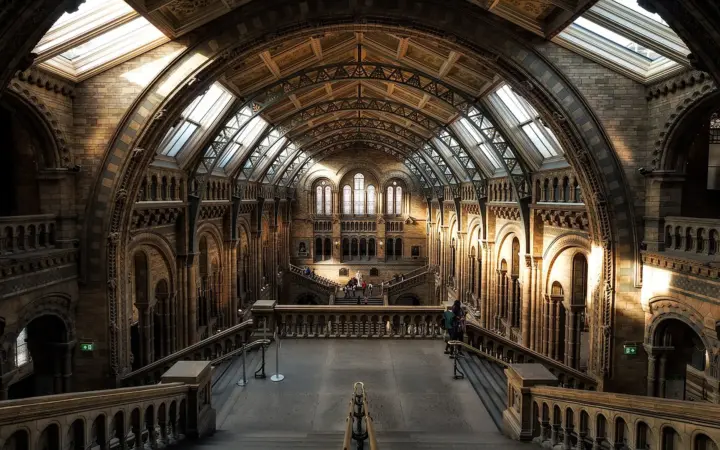
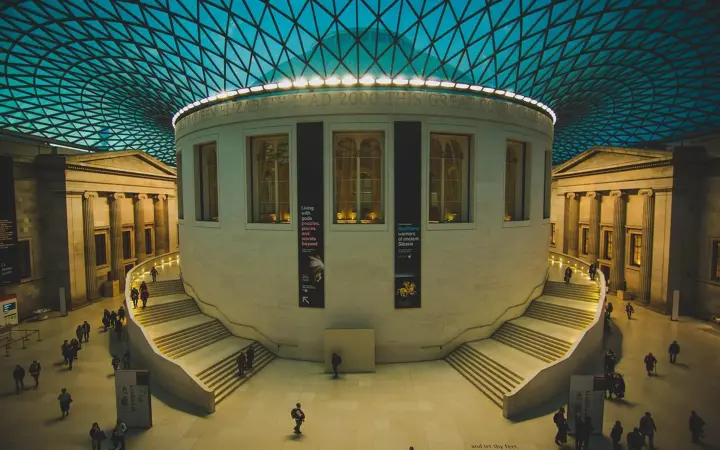
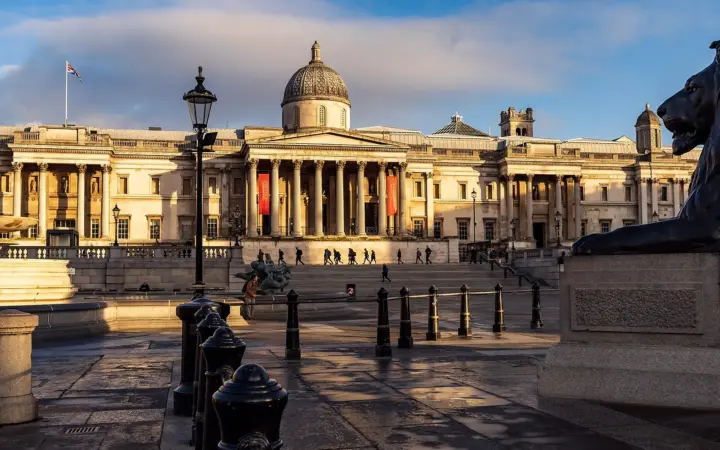
The Natural History Museum, the V&A and the Science Museum stand side by side, all free. In the West End, the British Museum, the National Gallery, Covent Garden and the theatres fill whole days and evenings.
East and North London
Shoreditch and Brick Lane for street art, markets and curry, Camden for its market and canal, and Hampstead Heath for one of the best views of the skyline.
Greenwich, Kew and Hampton Court
Stand on the Prime Meridian at the Royal Observatory, explore the glasshouses of Kew Gardens (a UNESCO site) and walk through Henry VIII’s Hampton Court Palace.
Best time to visit London
May to September brings long evenings, outdoor events and the parks at their best. Spring and autumn are quieter and often mild. Winter is grey and short on daylight, but the Christmas lights, ice rinks and markets make December special. Rain is possible in any month.
Getting to and around London
London has five main airports; from Heathrow, the Elizabeth line and Heathrow Express reach the centre quickly. Eurostar arrives at St Pancras. To get around, use the Tube, buses and river boats and simply tap in and out with a contactless card or phone – daily fares are capped. Do not drive in the centre: there is a congestion charge and an ultra-low emission zone.
London itinerary ideas
- Three days, the classics: Westminster and the South Bank; the Tower, the City and Borough Market; the British Museum and the West End.
- Five days: add South Kensington’s museums and a day in Greenwich or Kew.
- London with children: the Natural History Museum, the Science Museum, a boat to Greenwich and a day at Hampton Court’s maze.
What to eat in London
London eats the world: curry on Brick Lane, dim sum in Chinatown, street food at Borough Market and every cuisine you can imagine. For British classics, try a Sunday roast in a pub, fish and chips, pie and mash and a proper afternoon tea.
London travel tips
- Many big museums are free, but special exhibitions need tickets.
- Stand on the right on Tube escalators – the left is for walking.
- Book West End shows and the Tower in advance for the best choice.
- Check entry rules: most visitors to the UK need an Electronic Travel Authorisation (ETA).
London FAQ
How many days do you need in London?
Three days for the highlights; five days to a week to add museums, markets and Greenwich, Kew or Hampton Court.
What is the best area to stay in London?
Covent Garden, the South Bank or Bloomsbury for first-timers, close to most sights; Shoreditch for nightlife; Kensington for museums and parks.
Is London expensive to get around?
Using contactless or an Oyster card with the daily cap is the easiest way to keep transport simple; walking between central sights is often quicker than the Tube.