


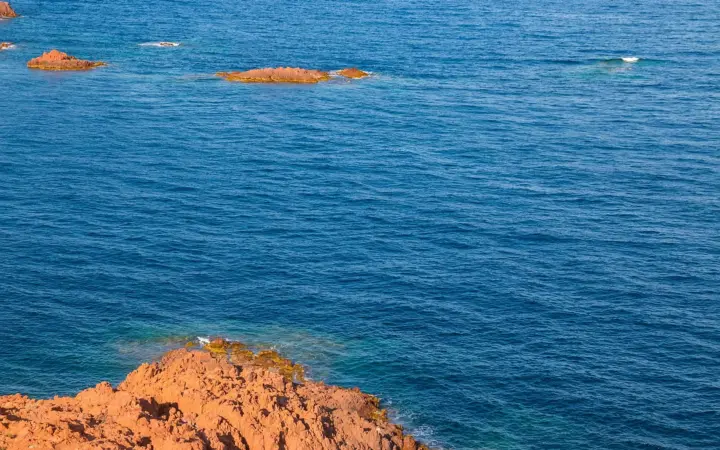
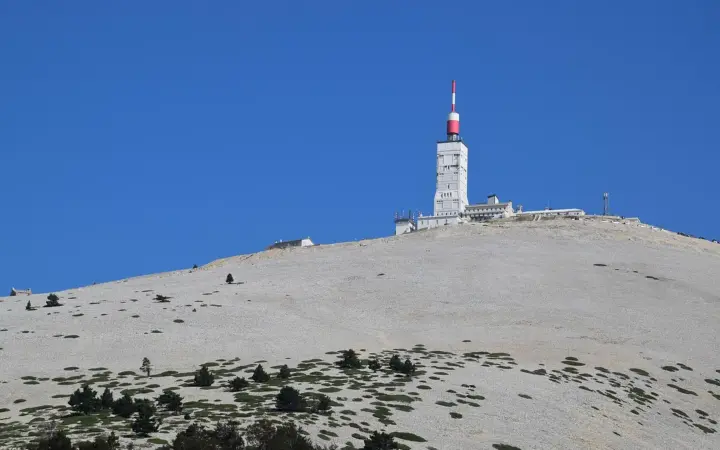
Painters came here for the light – and visitors still do. Provence-Alpes-Côte d’Azur combines the lavender fields and stone villages of Provence, the glamour of the French Riviera and the peaks of the Southern Alps, all bathed in southern sunshine. This Provence travel guide helps you choose between hills, sea and cities – or combine all three.
Why visit Provence and the Riviera
In south-eastern France, between the Rhône and the Italian border, this region packs in Roman monuments, papal palaces, markets overflowing with produce, turquoise coves and some of Europe’s most famous seaside towns.
The pace is slow and the food is sunny: olive oil, herbs, fresh fish and a glass of chilled rosé on a shady terrace.
Top places to visit in Provence-Alpes-Côte d’Azur
Marseille and the Calanques
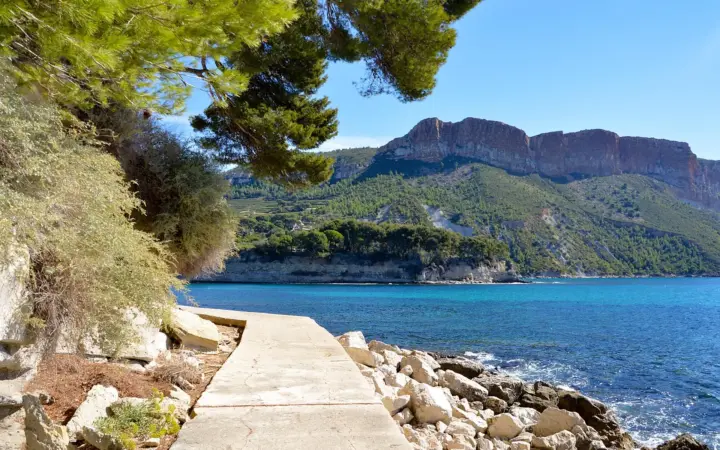
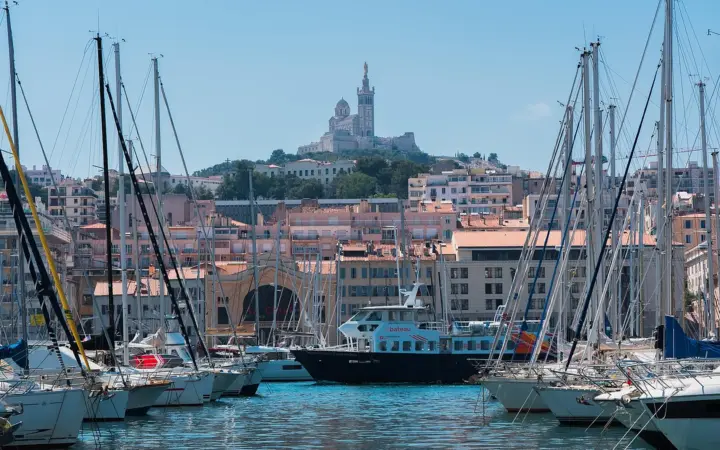
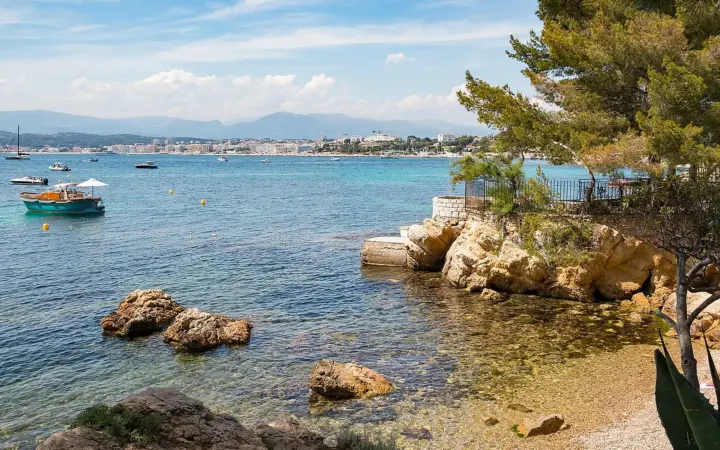
France’s oldest city has a lively Old Port, the striking MuCEM museum and the hilltop basilica of Notre-Dame de la Garde. Just outside the city, the Calanques National Park hides white cliffs and turquoise inlets.
Avignon and Arles
The vast Palais des Papes and the famous bridge of Avignon, then Arles, with its Roman arena and the streets that inspired Van Gogh.
The Luberon and the lavender
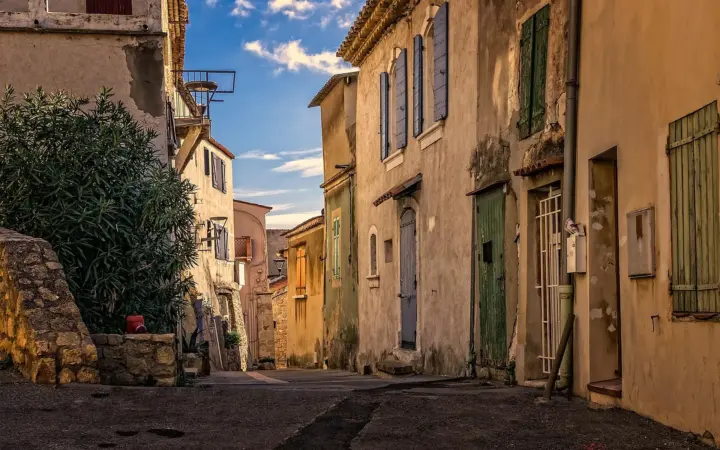
Hilltop villages such as Gordes, Roussillon and Ménerbes, Sénanque Abbey surrounded by lavender and, further east, the purple fields of the Valensole plateau.
Nice and the Riviera
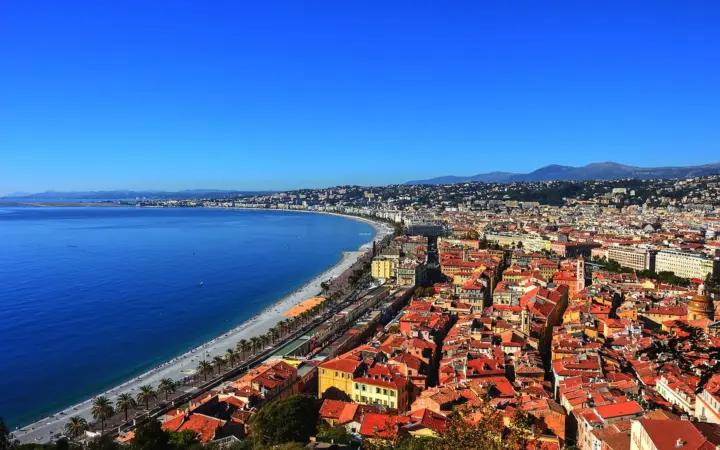
The Promenade des Anglais, the colourful old town and markets of Nice, the film-star glamour of Cannes, Picasso’s Antibes and the perched village of Èze. Monaco is a short train ride away.
The Verdon Gorge
Europe’s deepest canyon, with emerald-green water perfect for kayaking and breathtaking cliff-top roads.
Best time to visit Provence and the Riviera
May, June and September are ideal: warm sea, sunny days and fewer crowds. Lavender blooms from late June to mid-July, before the harvest. July and August are hot and busy, especially on the coast. Winter is mild on the Riviera, with the famous Menton Lemon Festival and the Nice Carnival in February.
Getting to and around the region
Nice and Marseille have international airports, and the TGV reaches Avignon, Aix-en-Provence and Marseille in about three hours from Paris. Along the Riviera, regional TER trains link Cannes, Antibes, Nice and Menton. For the Luberon, the lavender fields and the Verdon, a car is essential.
Provence itinerary ideas
- One week, Provence classics: Avignon, Arles, the Luberon villages and Aix-en-Provence.
- Ten days, hills and sea: Marseille, the Luberon, the Verdon Gorge and Nice.
- Riviera by train: Nice as a base, with day trips to Antibes, Cannes, Èze and Menton.
What to eat in Provence and the Riviera
Taste bouillabaisse in Marseille, socca (chickpea pancake) and salade niçoise in Nice, ratatouille, tapenade and aïoli across Provence, and calissons, the almond sweets of Aix. To drink: Provence rosé – and a pastis at aperitif time.
Provence travel tips
- Calanques in summer: access to some coves, such as Sugiton, requires a free booking at peak times, and paths may close on high-fire-risk days.
- Market days: each village has its own; plan your route around them.
- The mistral – a strong, cold wind – can blow for days, especially in spring.
- Book early for July and August on the coast.
Provence FAQ
Should I stay in Provence or on the Riviera?
Both, if you can: a few days in the Luberon or Avignon for villages and lavender, then a few by the sea in Nice.
When is the best time to see the lavender?
Late June to mid-July. The plateau of Valensole and the area around Sénanque Abbey are the most famous spots.
Do you need a car in Provence?
For the villages and the countryside, yes. For the Riviera and the big cities, trains are faster and parking is difficult.