














Andalusia is where Spain turns the volume up. Orange trees line the streets, guitars spill out of courtyards and the great monuments of Moorish Spain glow gold at sunset. This Andalusia travel guide helps you choose the cities, the villages and the season – and how to move between them without wasting a day.
Why visit Andalusia
Southern Spain packs three of Europe’s most extraordinary cities – Seville, Granada and Córdoba – into a few hours by train, with white villages, mountain parks and two very different coastlines in between. Eight centuries of Moorish rule left palaces, mosques and gardens you will not find anywhere else in Europe.
It is also the birthplace of flamenco, tapas culture and the Andalusian feria, and the sun shines here for most of the year.
Top places to visit in Andalusia
Seville
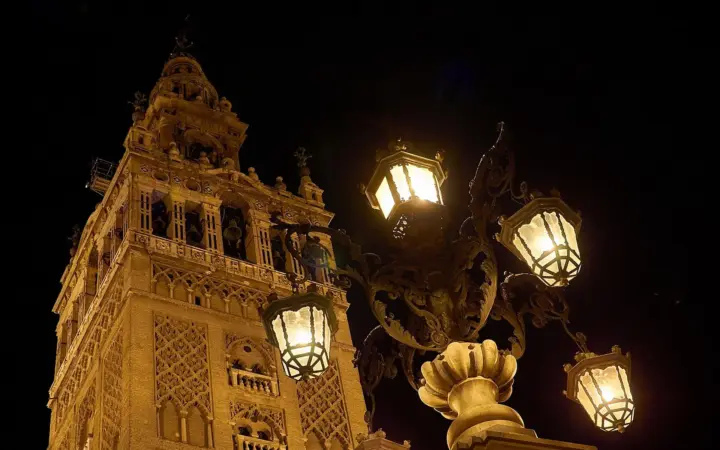
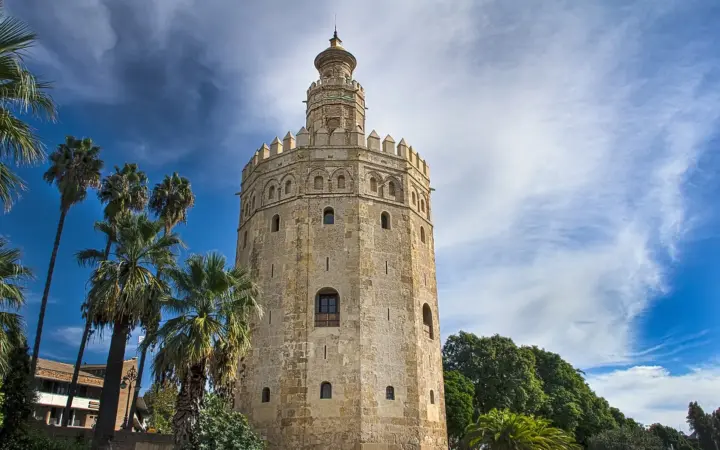
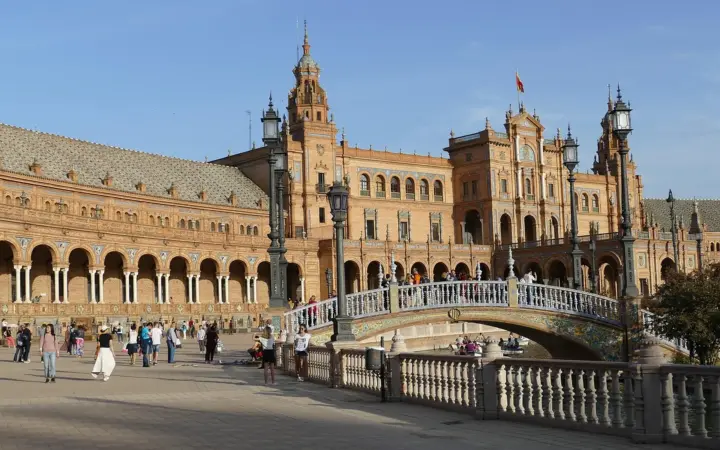
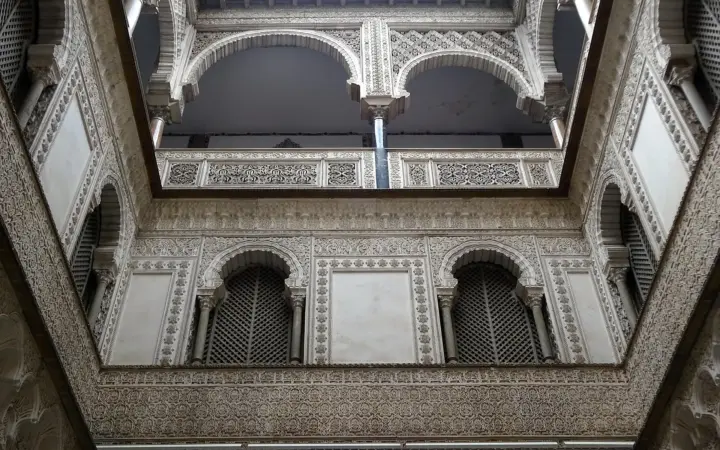
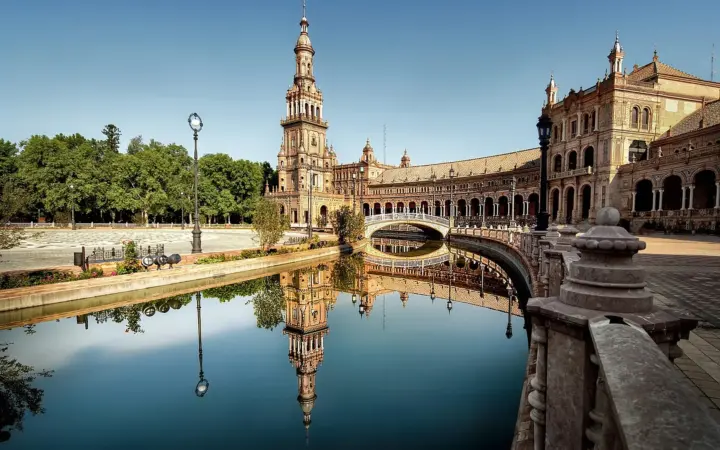
The Real Alcázar, the cathedral and its Giralda tower, the tiled curve of the Plaza de España and the lively Triana neighbourhood across the river. Seville is at its most magical in spring, when the air smells of orange blossom.
Granada
The Alhambra is reason enough to come, but stay for the whitewashed lanes of the Albaicín, the view from the Mirador de San Nicolás and the free tapas that still come with a drink in many bars.
Córdoba
The Mezquita, a mosque with a cathedral built inside it, is one of the most astonishing buildings in Spain. In May, the city’s flower-filled courtyards open to visitors during the Patios Festival.
The white villages and Ronda
Ronda sits above a dramatic gorge crossed by its Puente Nuevo. Around it, villages such as Grazalema, Zahara de la Sierra and Arcos de la Frontera cling to the hills – perfect for a road trip.
The coasts
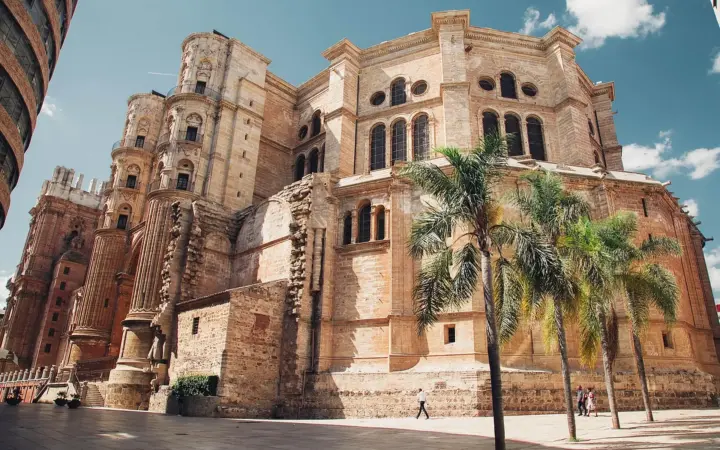
The Costa del Sol around Málaga is the classic resort coast, while the Costa de la Luz near Cádiz and Tarifa has wild Atlantic beaches, wind and some of the best seafood in Spain.
Best time to visit Andalusia
Spring (March to May) and autumn (October and November) are ideal: warm, sunny and comfortable for walking. July and August are scorching inland, often above 40 °C, so save summer for the coast. Winter is mild and quiet, with ski slopes in the Sierra Nevada just an hour from Granada.
Big dates: Holy Week (March or April) and the April Fair in Seville, and the Córdoba Patios Festival in May – book hotels early.
Getting to and around Andalusia
Málaga and Seville have the busiest airports. Fast trains link Madrid with Seville, Córdoba and Málaga, and Córdoba is only about 45 minutes from Seville by AVE. For the white villages and the coasts, a rental car gives you the most freedom; buses fill the gaps.
Andalusia itinerary ideas
- Five days, the big three: Seville (two days), Córdoba (one) and Granada (two).
- One week by car: Seville, Ronda and the white villages, Málaga and Granada.
- Sun and sea: Málaga, Nerja and a day trip to Granada, or Cádiz and the Costa de la Luz.
What to eat in Andalusia
Gazpacho and salmorejo to cool down, pescaíto frito (fried fish) in Málaga and Cádiz, jamón from Jabugo, and a glass of sherry from Jerez. Tapas are the way to eat here: order a few at the bar and move on to the next place.
Andalusia travel tips
- Book the Alhambra early: tickets sell out weeks ahead in high season – buy them only on the official website.
- Eat late: lunch is from 2 pm and dinner from 9 pm.
- Plan for the heat: in summer, visit monuments early and rest in the afternoon, like the locals.
- Dress for churches and the Mezquita: cover shoulders.
Andalusia FAQ
How many days do you need in Andalusia?
Five days cover Seville, Córdoba and Granada. With a week or more you can add Ronda, the white villages and some beach time.
Is it better to base yourself in Seville or Málaga?
Seville for culture and monuments; Málaga for beaches, flights and easy day trips to Granada and Ronda.
Do you need a car in Andalusia?
Not for the three big cities, which are well linked by train. A car is the best way to see the white villages and the coast.