

This is France for people who like to take their time. Bourgogne-Franche-Comté combines Burgundy’s legendary vineyards and Romanesque abbeys with the forests, lakes and cheese dairies of the Jura. This Burgundy travel guide helps you plan wine villages, historic towns and green escapes.
Why visit Bourgogne-Franche-Comté
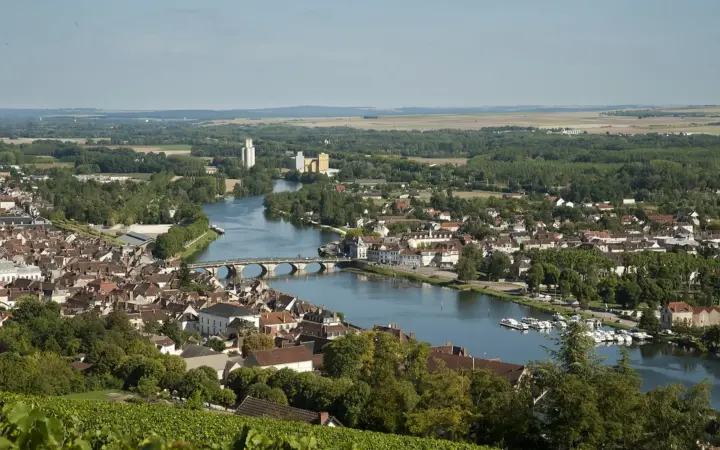
In eastern France, between Paris and Switzerland, the region is home to some of the world’s most famous wines, several UNESCO sites and a gentle landscape of canals, vineyards and wooded hills.
It is also a paradise for food lovers: boeuf bourguignon, escargots, Dijon mustard, Époisses and Comté cheese – and wines from Chablis to the Côte de Nuits.
Top places to visit in Bourgogne-Franche-Comté
Dijon
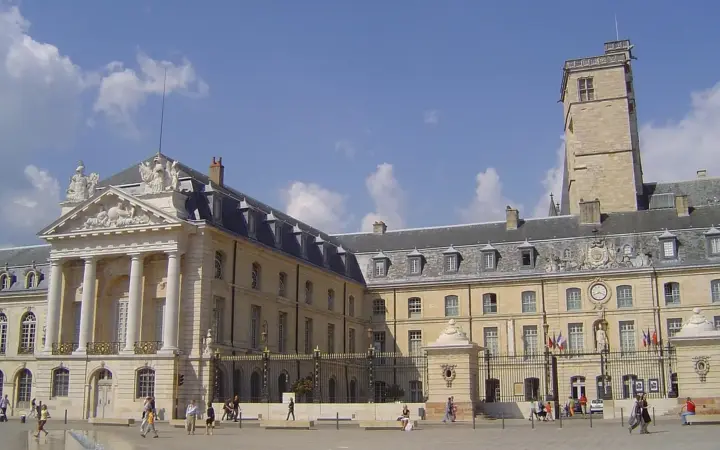
The former capital of the Dukes of Burgundy, with the Palace of the Dukes, half-timbered streets and the owl trail through the old town. It is the starting point of the Route des Grands Crus.
Beaune and the wine villages
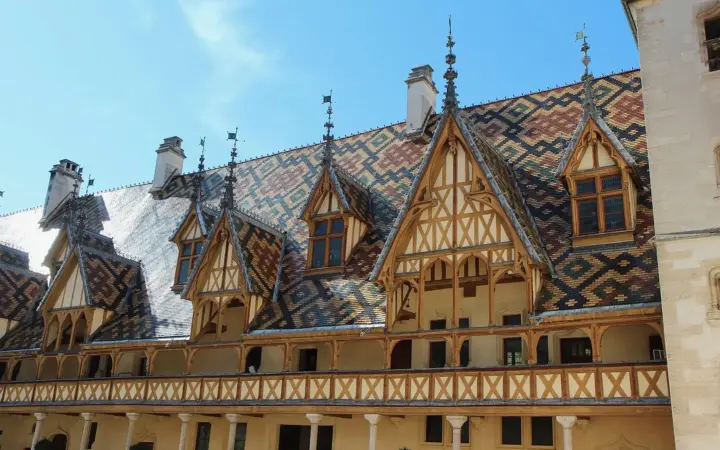
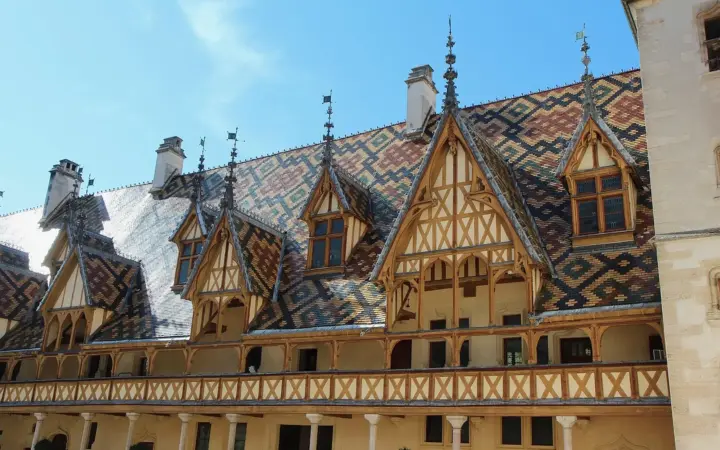
Beaune is famous for the Hospices and their colourful glazed roofs. Along the Côte de Nuits and Côte de Beaune, a UNESCO-listed landscape of vineyard plots, villages such as Nuits-Saint-Georges and Meursault open their cellars to visitors.
Vézelay and Cluny
The hilltop Basilica of Vézelay, a UNESCO site and a starting point of the Way of St James, and the remains of the great medieval Abbey of Cluny.
Besançon and the Royal Saltworks
Besançon is wrapped in a loop of the Doubs river beneath a Vauban citadel. Nearby, the Royal Saltworks of Arc-et-Senans are an 18th-century ideal city listed by UNESCO.
The Jura mountains
Lakes, waterfalls such as the Cascades du Hérisson, cross-country skiing in winter and the dairies where Comté cheese is made.
Best time to visit Bourgogne-Franche-Comté
May to October is the best time for cycling, boating on the canals and visiting vineyards. September and October bring the harvest and autumn colours. The Hospices de Beaune wine auction takes place in November. Winters are cold, with snow in the Jura.
Getting to and around Bourgogne-Franche-Comté
TGV trains reach Dijon from Paris in about 1 hour 40 minutes, and Besançon in about 2 hours 30 minutes. The nearest major airports are Lyon and Basel-Mulhouse. Regional trains link Dijon and Beaune, but a car or a bike is best for the wine villages; the Voie des Vignes cycle path runs through the vineyards.
Bourgogne-Franche-Comté itinerary ideas
- Three days: Dijon, the Route des Grands Crus and Beaune.
- One week: Dijon, Beaune, Vézelay and Cluny.
- Nature and cheese: Besançon, Arc-et-Senans and the Jura lakes.
What to eat in Bourgogne-Franche-Comté
Boeuf bourguignon, coq au vin, oeufs en meurette, escargots, gougères, jambon persillé and pain d’épices from Dijon; cheeses such as Époisses and Comté; and kir, white wine with crème de cassis. To drink: Chablis, Pinot Noir and Chardonnay from the Côte d’Or, and Jura’s vin jaune.
Bourgogne-Franche-Comté travel tips
- Book wine tastings in advance, especially with small family estates.
- Plan a designated driver or explore the vineyards by bike.
- Many restaurants close on Sunday evening and Monday in small villages.
Bourgogne-Franche-Comté FAQ
Is Dijon or Beaune the better base?
Dijon for city life, museums and trains; Beaune to be in the heart of the vineyards.
How many days do you need?
Three days for Dijon and the wine route; a week to add Vézelay, Cluny or the Jura.
Can you visit Burgundy as a day trip from Paris?
Dijon is under two hours by TGV, so a day trip is possible – but the vineyards deserve at least a night.