


Catalonia does not do things by halves. It has one of Europe’s most exciting cities, a coastline of rocky coves, Pyrenean peaks within a couple of hours’ drive and a food scene that has shaped modern cooking. This Catalonia travel guide shows you where to go beyond Barcelona and when to do it.
Why visit Catalonia
In north-eastern Spain, Catalonia has its own language, its own traditions and a strong sense of identity. Barcelona’s modernist architecture, the medieval lanes of Girona, the Roman ruins of Tarragona and the turquoise coves of the Costa Brava are all within easy reach of each other.
Add vineyards, mountain monasteries and festivals where people build human towers, and you have enough for several trips.
Top places to visit in Catalonia
Barcelona
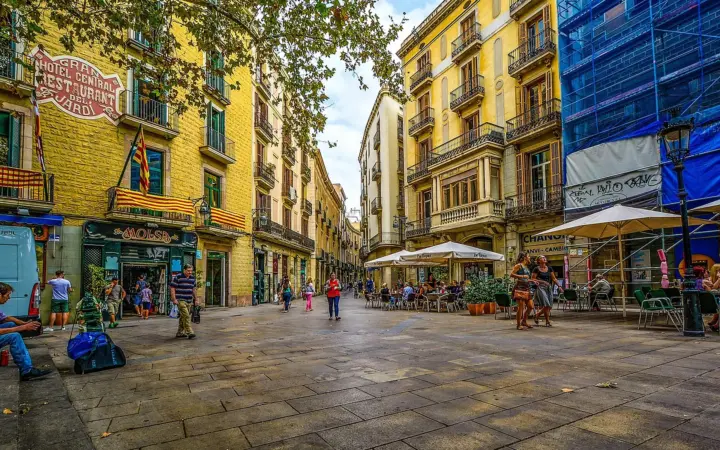
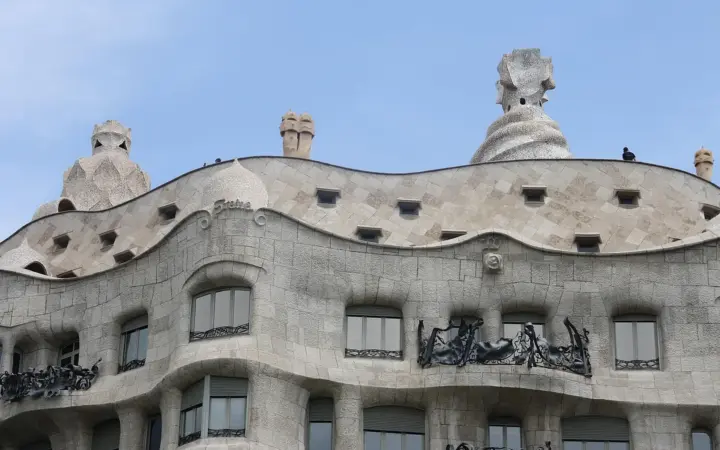
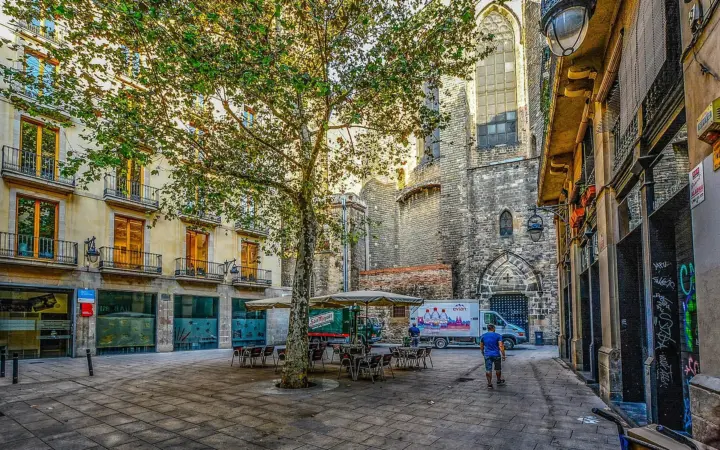
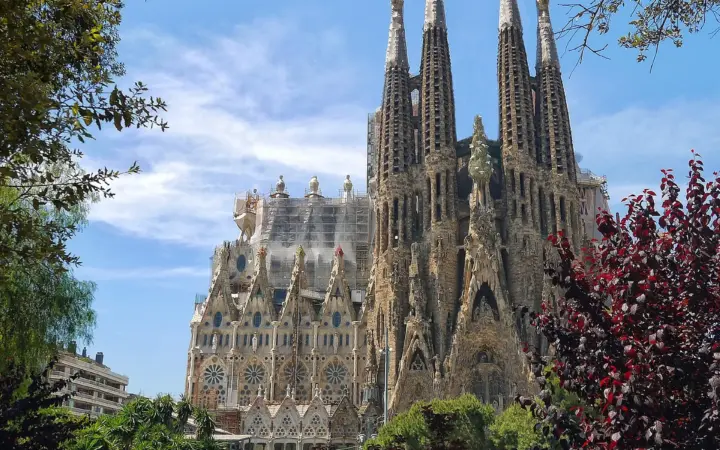
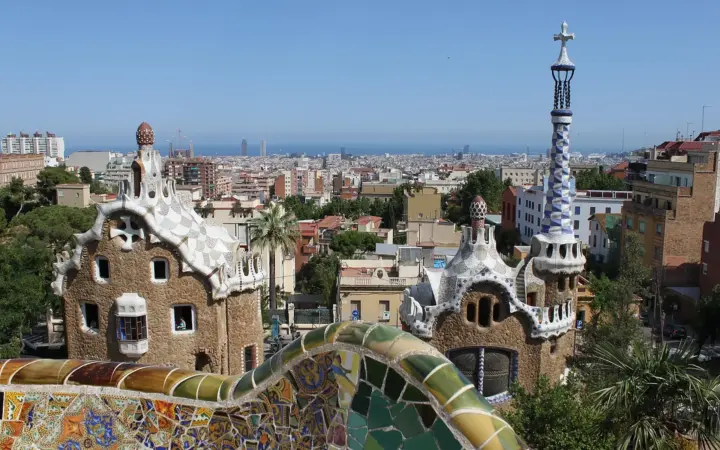
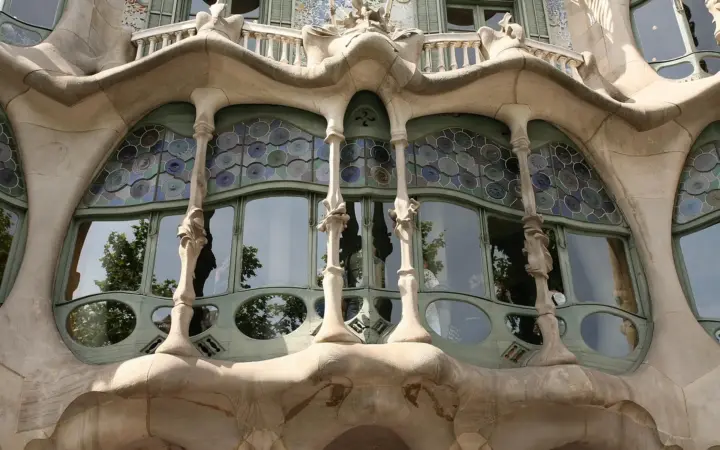
The Sagrada Família, Park Güell and Casa Batlló, the Gothic Quarter, the market of La Boqueria and a long city beach. Explore beyond the centre too: Gràcia and Poblenou feel like real neighbourhoods.
Girona
A compact medieval city with colourful houses along the river Onyar, a cathedral reached by a grand stairway and one of the best-preserved Jewish quarters in Europe – only about 40 minutes from Barcelona by fast train.
The Costa Brava
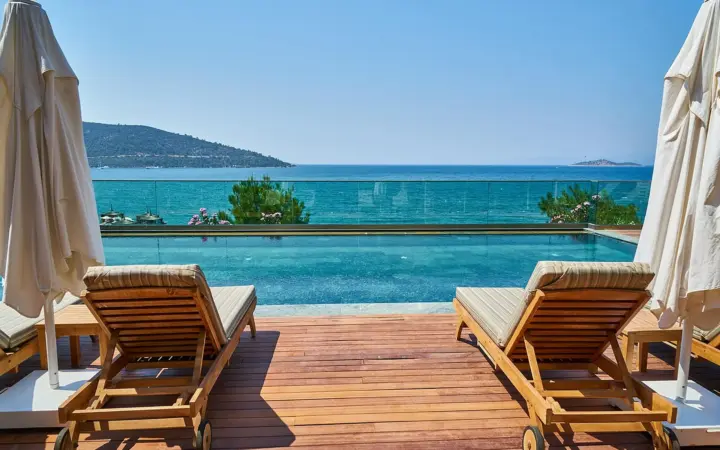
Pine-covered cliffs and small coves from Tossa de Mar to Cadaqués, the whitewashed fishing village Dalí loved. The Dalí Theatre-Museum in Figueres is close by.
Montserrat and the Penedès
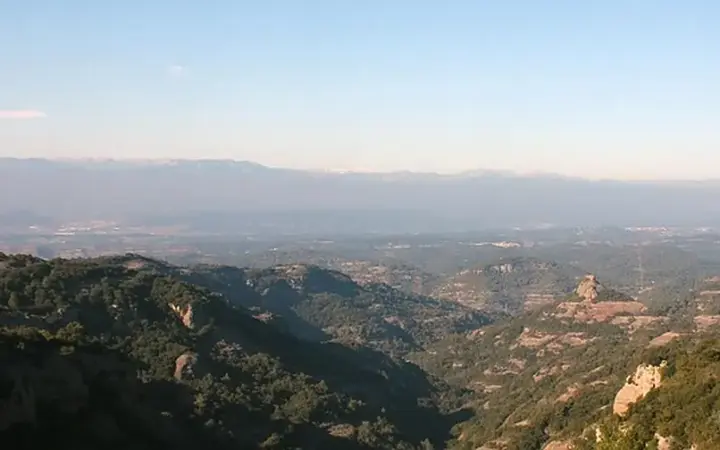
The mountain monastery of Montserrat sits among strange, saw-toothed rocks an hour from Barcelona. To the south, the Penedès is the home of cava, with cellars you can visit.
Tarragona and the Pyrenees
Tarragona has a Roman amphitheatre overlooking the sea, while the Catalan Pyrenees offer hiking in summer and skiing in winter.
Best time to visit Catalonia
May, June, September and October are ideal: warm days, swimmable sea from June and fewer crowds. July and August are hot and the Costa Brava is at its busiest. Winter is mild on the coast and the season for skiing in the Pyrenees.
Dates to know: Sant Jordi (23 April), when Barcelona fills with books and roses; Sant Joan (23 June), with bonfires and fireworks; and La Mercè, Barcelona’s big festival in September.
Getting to and around Catalonia
Barcelona-El Prat is the main airport, with Girona and Reus serving low-cost flights. Fast trains link Barcelona with Girona and Figueres, and the Rodalies commuter trains reach Sitges, Montserrat and many coastal towns. A car is useful for the Costa Brava villages and the Pyrenees.
Catalonia itinerary ideas
- Four days, city and culture: three days in Barcelona and a day trip to Montserrat.
- One week, city and coast: Barcelona, Girona, Figueres and the Costa Brava.
- Mountains and wine: the Penedès, Tarragona and a few days hiking in the Pyrenees.
What to eat in Catalonia
Start with pa amb tomàquet, bread rubbed with tomato and olive oil, then try suquet (fish stew), fideuà (paella made with noodles), escalivada and, for dessert, crema catalana. From January to March, join a calçotada to eat grilled spring onions with romesco sauce. To drink: cava from the Penedès.
Catalonia travel tips
- Language: Catalan and Spanish are both official; a simple “bon dia” (good morning) is always appreciated.
- Book ahead: timed tickets for the Sagrada Família and Park Güell sell out.
- Watch your bags: pickpockets work the busiest areas of Barcelona and the metro.
- Eat late: lunch from about 1.30 pm, dinner from 8.30–9 pm.
Catalonia FAQ
How many days do you need in Catalonia?
Three or four days for Barcelona, and a week to add Girona, the Costa Brava or Montserrat.
Is Girona worth a day trip from Barcelona?
Absolutely. It is about 40 minutes by fast train and makes a perfect, relaxed contrast to the big city.
Where is the best beach in Catalonia?
For small, beautiful coves, head to the Costa Brava, around Begur, Calella de Palafrugell and Tossa de Mar.