

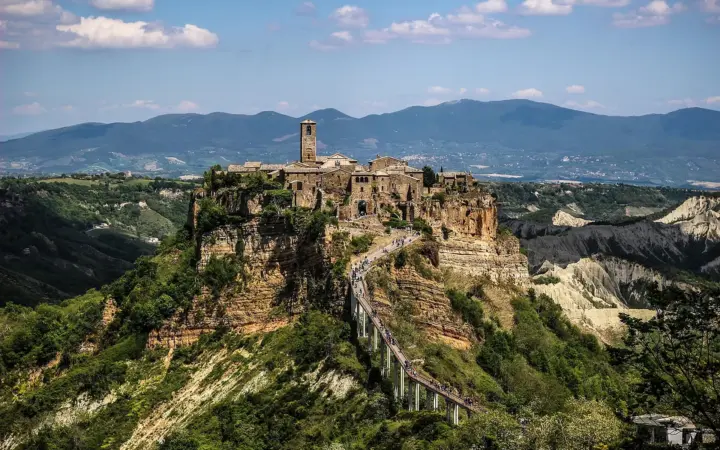
Italy has more masterpieces than it knows what to do with. Roman ruins next to the bus stop, a Caravaggio in a neighbourhood church, a fishing village that looks painted onto the cliff. This Italy travel guide helps you choose the regions, the season and the smartest route – so you spend less time planning and more time at the table.
Why Italy should be your next trip
Italy fits three thousand years of history, the Alps, two seas and the world’s best-loved food into one long peninsula. Each region was once its own state, and it shows: the dialects, the dishes and even the shape of the pasta change every hundred kilometres.
Getting around is easier than you might think. Fast trains link Rome, Florence, Venice, Milan and Naples, the historic centres are made for walking, and the rhythm of the day – coffee, lunch, aperitivo – does half the planning for you.
Where to go in Italy: the regions at a glance
Rome and Lazio: the eternal open-air museum
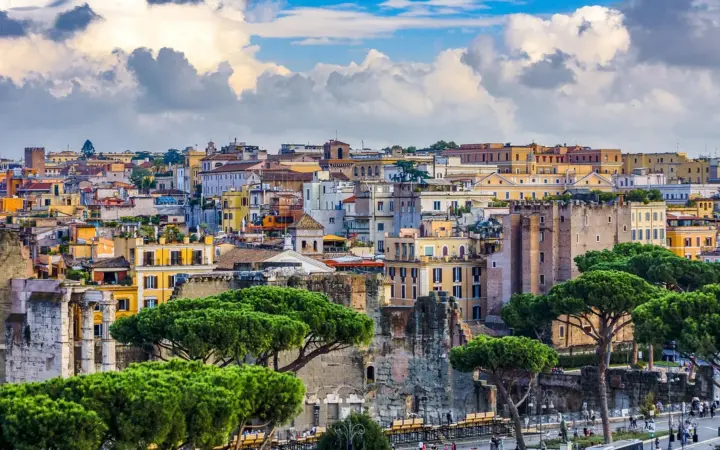
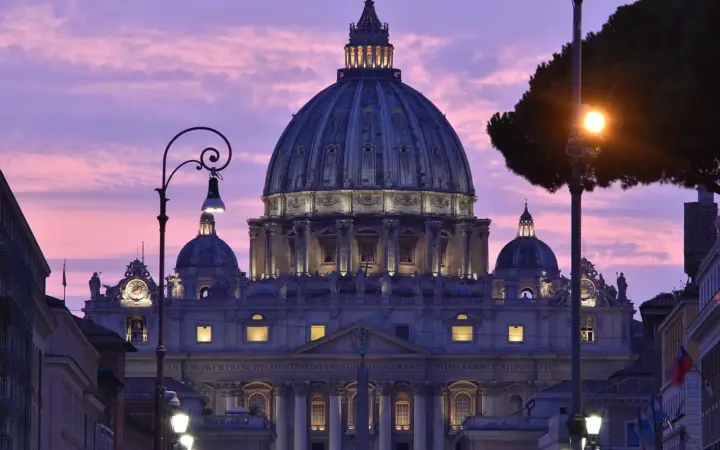
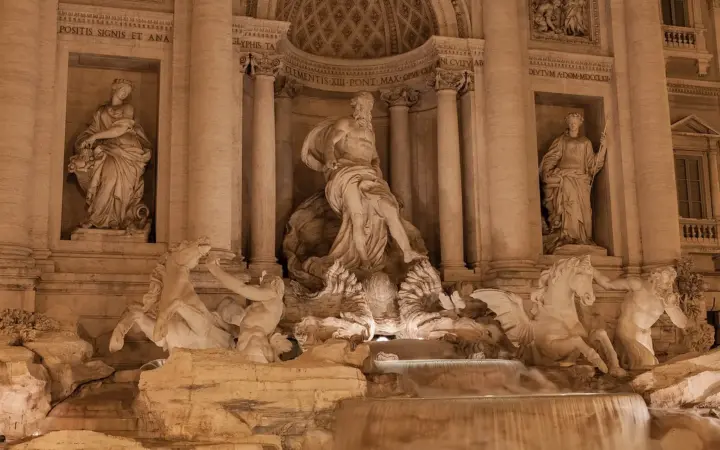
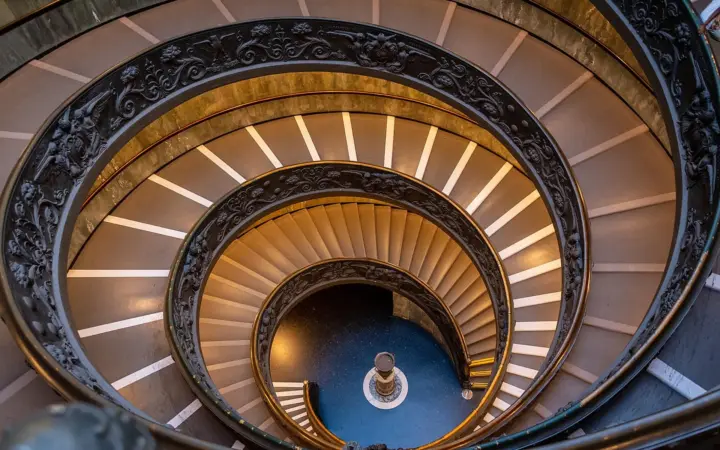
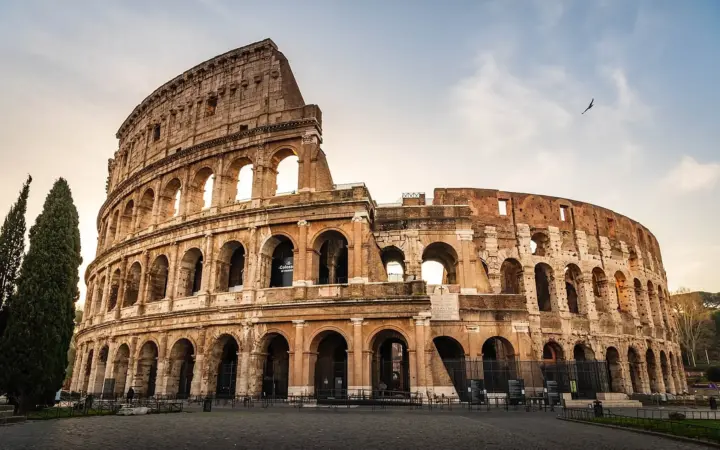
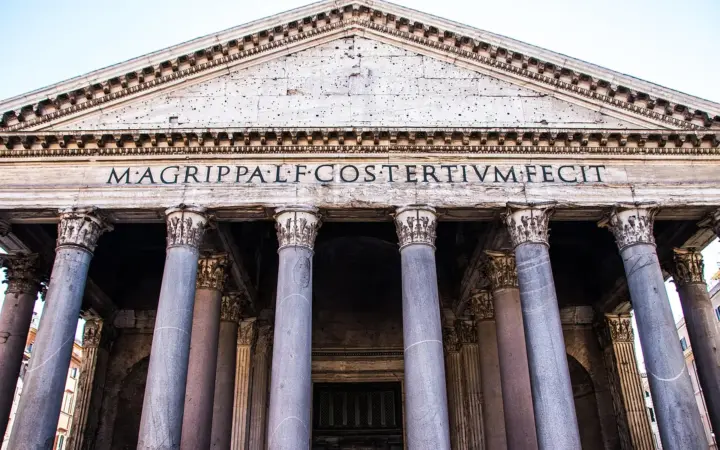
Walk from the Colosseum and the Roman Forum to the Pantheon and the Trevi Fountain, then cross the river to the Vatican, home to St Peter’s Basilica and the Sistine Chapel. When the sun goes down, Romans head to Trastevere for dinner.
Florence and Tuscany: the Renaissance and rolling hills
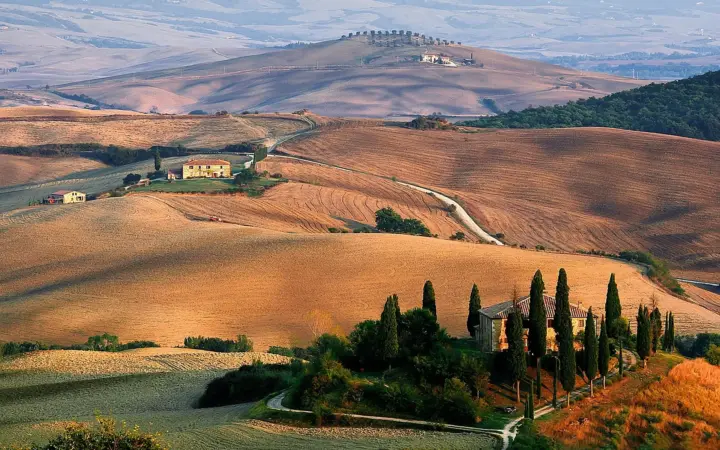
Florence is the cradle of the Renaissance: Michelangelo’s David, the Uffizi and Brunelleschi’s dome. Beyond the city lie the hill towns of Siena and San Gimignano, the cypress-lined Val d’Orcia and the vineyards of Chianti.
Venice and the north-east: canals and the Dolomites
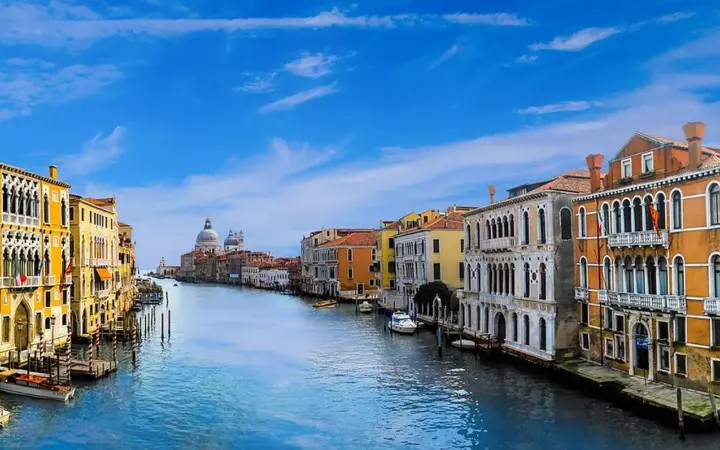
Venice has no cars, more than a hundred islands and a magic that is best felt early in the morning. Inland, Verona has its Roman arena, and the Dolomites offer some of the most dramatic mountain scenery in Europe.
Milan and the lakes: style and still water
Milan pairs Leonardo’s Last Supper and a Gothic cathedral with fashion and design. An hour away, Lake Como, Lake Garda and Lake Maggiore are lined with grand villas and pastel villages.
Naples and the Amalfi Coast: the south in full colour
Naples is loud, generous and the home of pizza. From here you can reach Pompeii and Herculaneum, the island of Capri and the cliff-hugging villages of the Amalfi Coast: Positano, Amalfi and Ravello.
Sicily, Puglia and Sardinia: islands and the deep south
For something less obvious: Sicily’s Greek temples, baroque towns and Mount Etna, the trulli and white towns of Puglia, and the turquoise beaches of Sardinia.
Best time to visit Italy
Spring (April to June) and autumn (September and October) are ideal: pleasant temperatures, long days and shorter queues. July and August are hot and crowded, especially in the cities, and around Ferragosto (15 August) many Italians head to the coast and some local businesses close. Winter is quiet and atmospheric in the cities and the season for skiing in the Alps and the Dolomites.
Worth planning around:
- Carnival in Venice (February).
- Easter week, when Rome is at its busiest.
- The grape harvest in Tuscany and Piedmont (September and October).
How to get around Italy
Flying in
Rome Fiumicino and Milan Malpensa are the main international airports, followed by Venice, Naples, Bologna and Catania. Fiumicino and Malpensa have express trains to the city centre.
Trains: fast between cities, scenic in between
Trenitalia’s Frecciarossa and Italo connect Milan, Venice, Florence, Rome and Naples at high speed: Rome to Florence takes about an hour and a half. Slower regional trains reach the smaller towns; if you travel with a paper regional ticket, validate it before boarding.
Car, ferries and ZTL zones
A car is perfect for Tuscany, Puglia, Sicily and the Dolomites, but never drive into a historic centre: most have limited traffic zones (ZTL) watched by cameras, and the fines arrive by post. Ferries link the mainland with Sicily, Sardinia and Capri.
Italy itinerary ideas for a first trip
- One week, the classics: Rome (three days), Florence (two days) and Venice (two days) by fast train.
- Ten days, north to south: Venice, Florence, Rome and Naples, with a day at Pompeii.
- A Tuscan road trip: Florence, Siena, the Val d’Orcia and Lucca.
- Summer by the sea: Naples, the Amalfi Coast and Capri, or a loop around Sicily.
What to eat in Italy
The golden rule: eat local, because every region cooks differently. Try cacio e pepe and carbonara in Rome, bistecca alla fiorentina in Florence, risotto in Milan, pizza in Naples and arancini in Sicily. Lunch runs from about 12.30 to 2.30 pm and dinner from around 8 pm, later in the south. Drink your espresso standing at the bar, like the locals, and do not miss the aperitivo, the early-evening drink with snacks. Many restaurants add a coperto (cover charge) to the bill: it is normal.
Italy travel tips: what to know before you go
- Language: Italian; English is widely spoken in the big cities and tourist areas.
- Money: the currency is the euro; cards are accepted almost everywhere, but carry a little cash for small cafés and markets.
- Tipping: not expected; rounding up is enough, especially when there is a cover charge.
- Churches: cover shoulders and knees, particularly at St Peter’s and the major cathedrals.
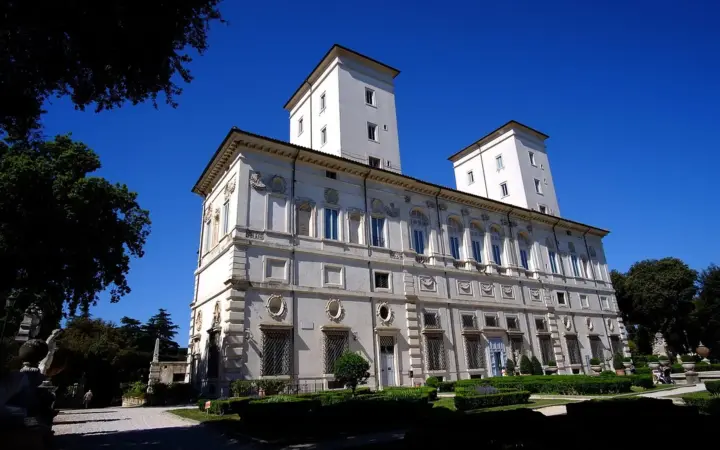
- Book ahead: the Last Supper, the Uffizi, the Vatican Museums and the Borghese Gallery sell out, so book timed tickets in advance.
- Venice: on peak days, day visitors must pay an access fee; check the dates before you go.
- Plugs: types C, F and L, 230 V.
- Emergencies: call 112.
Italy travel FAQ
How many days do you need in Italy?
A week is enough for Rome, Florence and Venice. With two weeks you can add the south – Naples and the Amalfi Coast – or the lakes.
Is it worth renting a car in Italy?
Not for the big cities, where trains are faster and parking is a headache. A car is worth it for the Tuscan countryside, Puglia, Sicily and the Dolomites; just keep out of the ZTL zones.
What is the best month to visit Italy?
May and September are hard to beat: warm weather, long days and fewer crowds than in summer.
Should I start in Rome, Florence or Venice?
Most flights land in Rome, so it is the easiest place to start before taking the train north. If you fly into Milan or Venice, do the same route in reverse.