

France is the most visited country in the world, and it is easy to see why. Paris alone could fill a lifetime, but beyond the capital lie lavender fields, Alpine peaks, Atlantic surf, Renaissance castles and a cheese for every day of the year. This France travel guide helps you pick the regions, the season and the smartest way to travel between them.
Why France should be your next trip
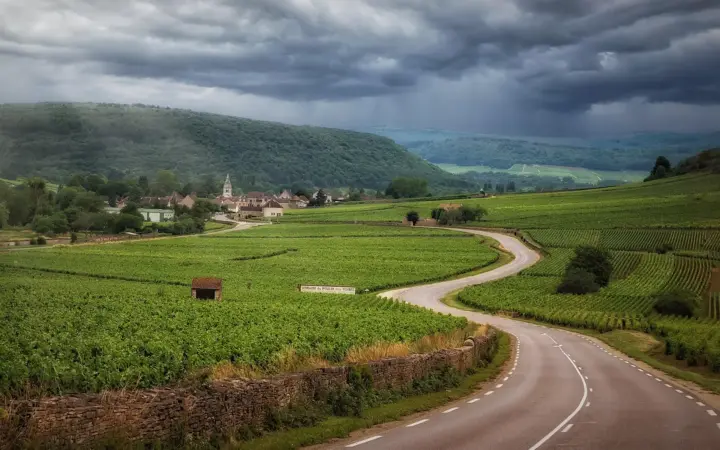
Few countries pack this much variety into a few hours by train: the boulevards and museums of Paris, the châteaux of the Loire, the beaches of the Riviera, the vineyards of Bordeaux and Burgundy and the peaks of the Alps. Every region has its own landscapes, dishes and wines – and the French are proud of every one of them.
It is also a country built for travellers. The TGV high-speed network fans out from Paris, small towns still hold their weekly markets, and a good meal is never far away.
Where to go in France: the regions at a glance
Paris and Île-de-France: the capital of everything
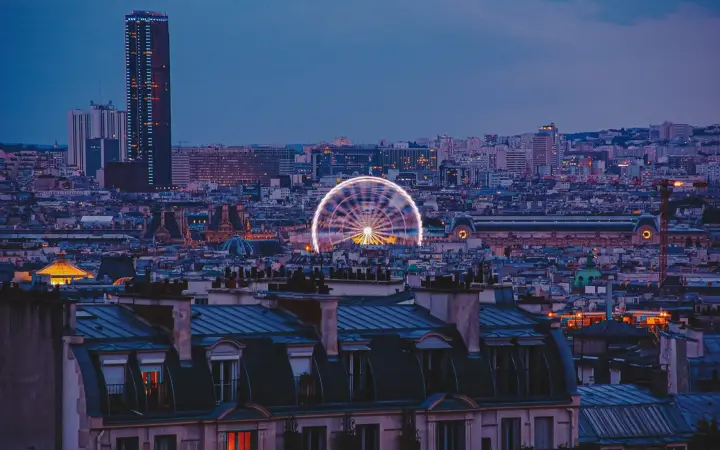
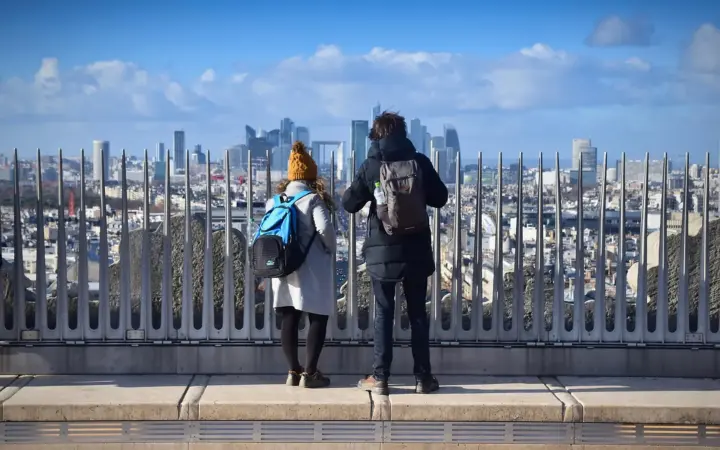
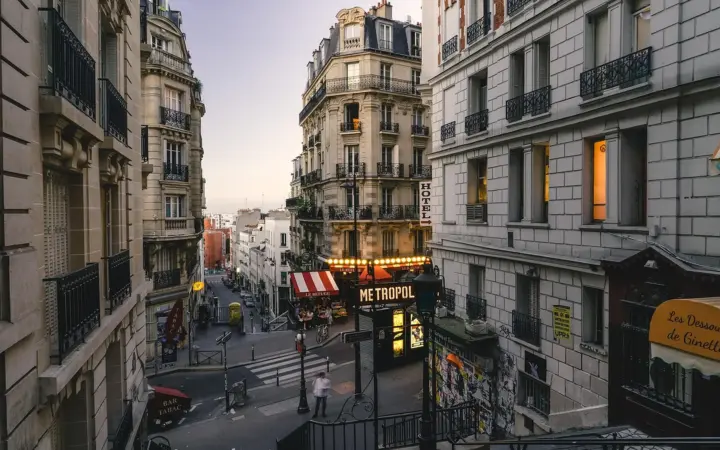
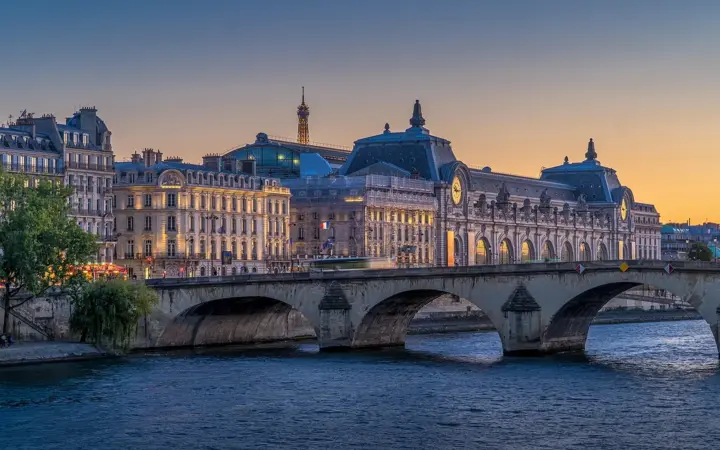
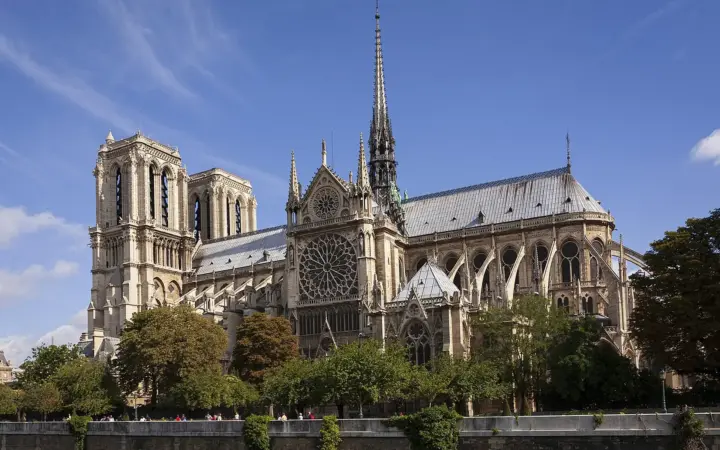
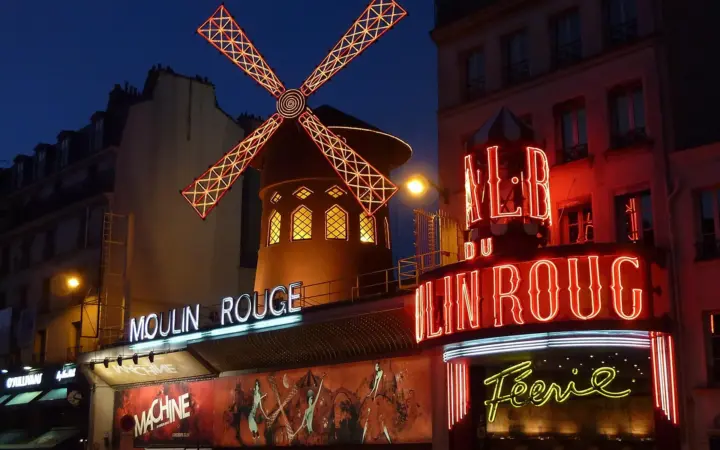
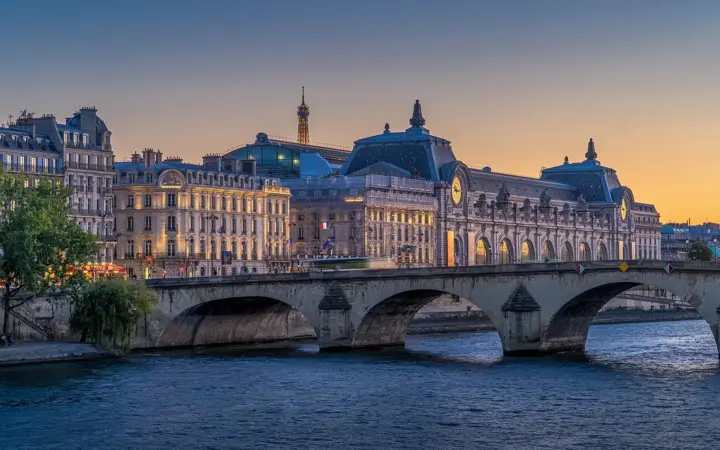
The Eiffel Tower, the Louvre, Notre-Dame and Montmartre are only the beginning. Take time to wander the Marais, Saint-Germain and the Canal Saint-Martin, and keep a day for the Palace of Versailles, less than an hour away.
Normandy and Brittany: tides, cliffs and history
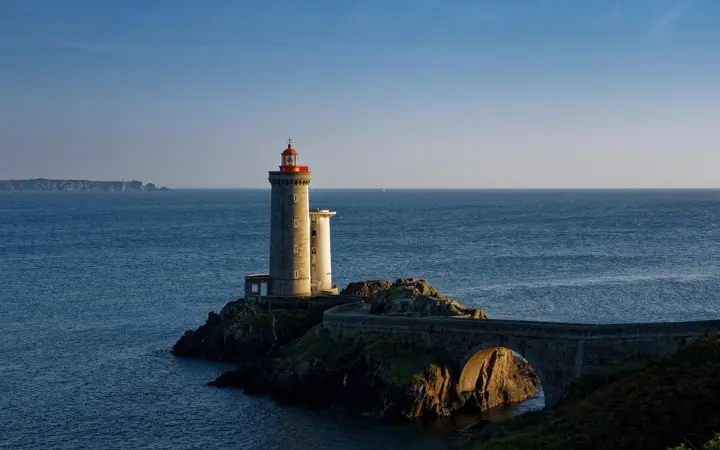
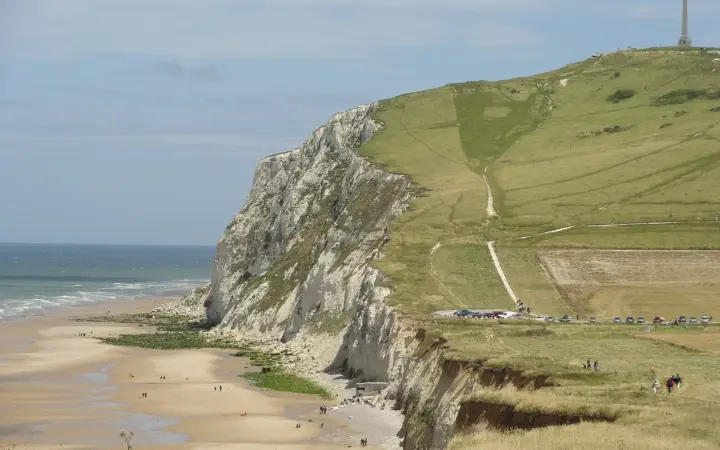
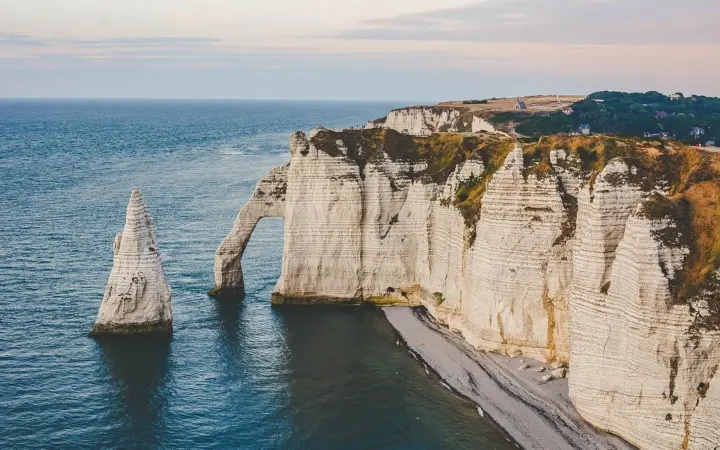
Mont-Saint-Michel rising from its bay, the white cliffs of Étretat, the D-Day landing beaches and, further west, the wild coastline, lighthouses and crêperies of Brittany.
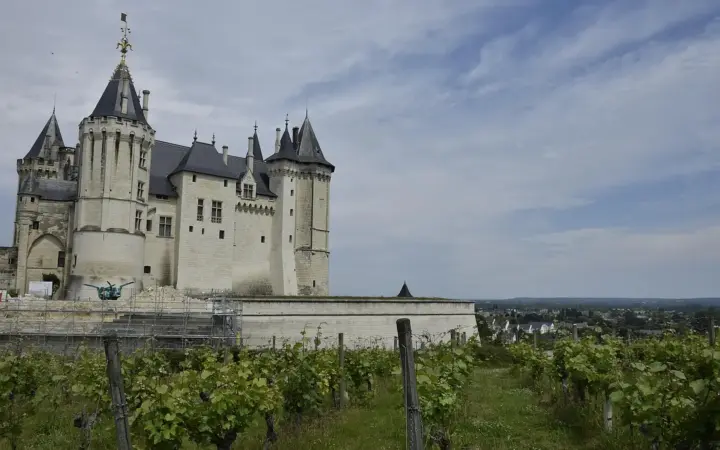
The Loire Valley: the land of châteaux
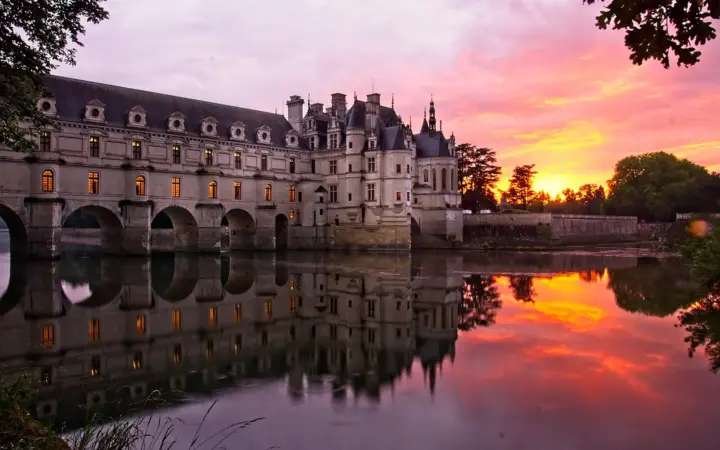
A gentle river lined with Renaissance castles – Chambord, Chenonceau and Amboise among them – best explored by car or by bike, with wine tastings along the way.
Provence and the Côte d’Azur: light, lavender and the Riviera
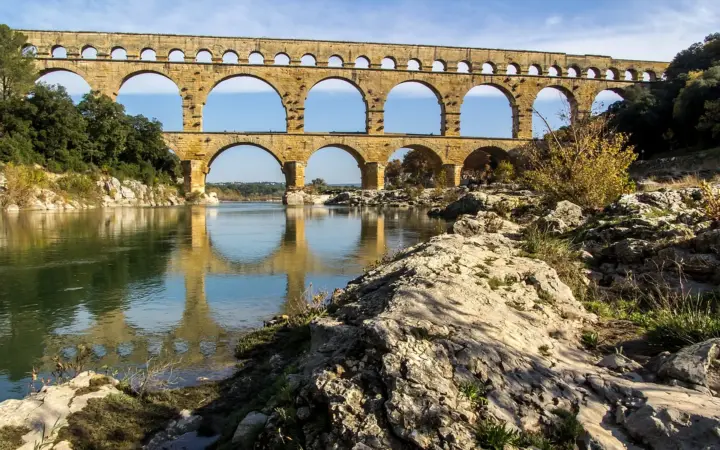
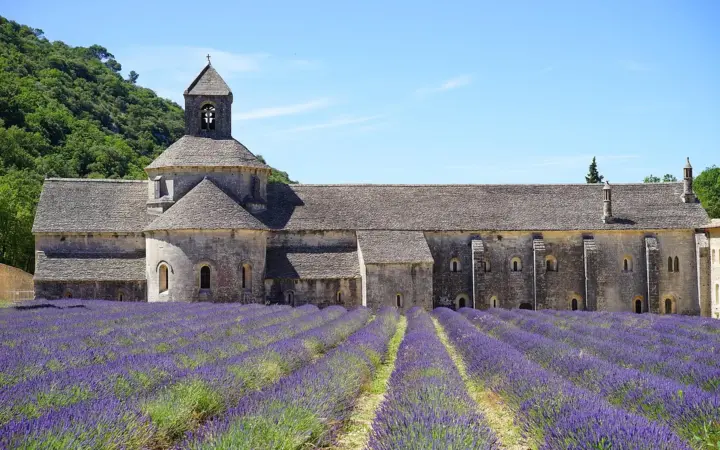
Lavender fields, the hilltop villages of the Luberon, Roman Arles and the Palais des Papes in Avignon – then down to the sea for the old town of Nice, the glamour of Cannes and the coves of the Côte d’Azur.
Lyon and the Alps: food capital and mountain air
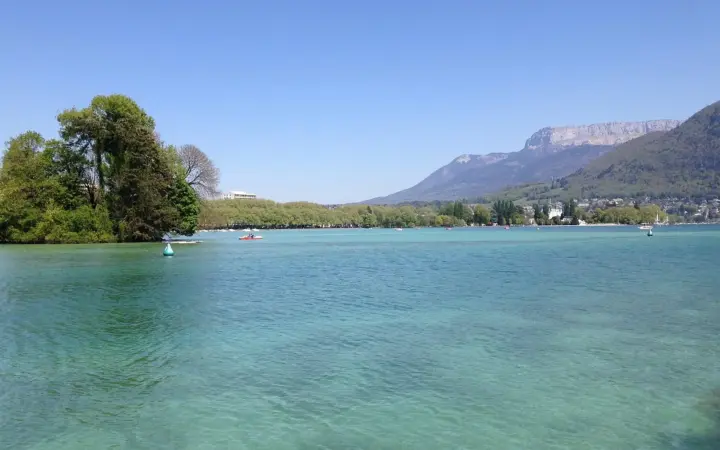
Lyon is France’s gastronomic capital, famous for its traditional bouchons. To the east, Annecy, Chamonix and Mont Blanc offer lakes, hiking and some of the best skiing in Europe.
Bordeaux and the south-west: wine and the Atlantic
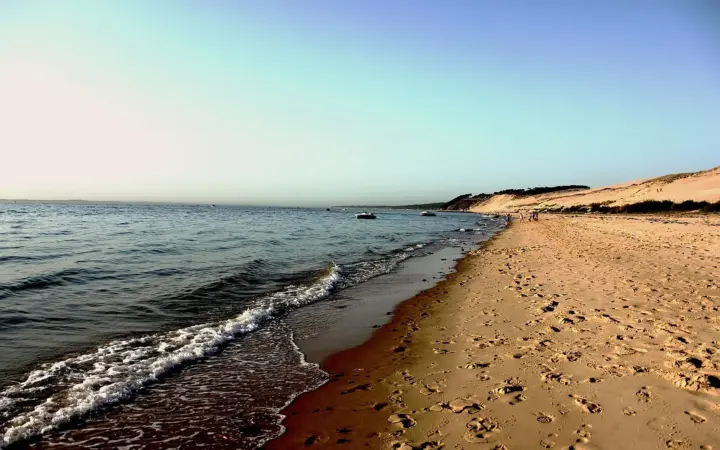
Bordeaux and the vineyards of Saint-Émilion, the Atlantic surf of Biarritz and the prehistoric caves and riverside villages of the Dordogne.
Best time to visit France
May, June and September are the sweet spot: long days, mild weather and fewer crowds. July and August bring heatwaves and packed beaches on the coasts, while in August many Parisians leave town and some small shops close. Winter means ski season in the Alps and festive markets in Alsace.
Dates worth planning around:
- Lavender season in Provence (late June to mid-July).
- Bastille Day (14 July), with fireworks all over the country.
- The grape harvest in Bordeaux, Burgundy and Champagne (September).
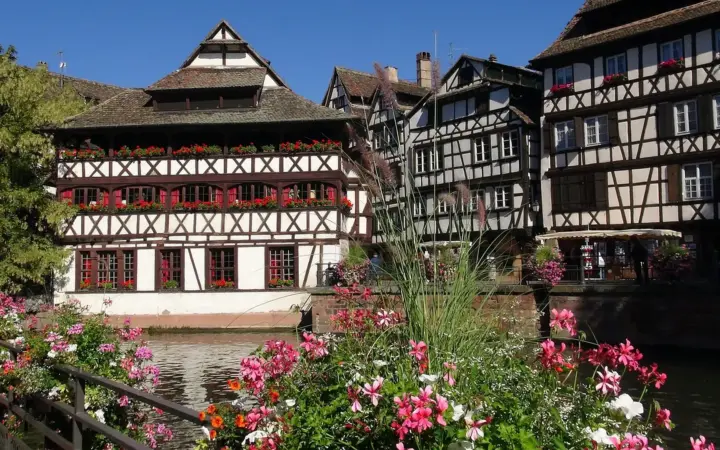
- Christmas markets in Strasbourg and Colmar (late November to December).
How to get around France
Flying in
Paris-Charles de Gaulle and Paris-Orly handle most international flights, followed by Nice, Lyon, Marseille and Bordeaux. From Charles de Gaulle, the RER B train runs to central Paris, and Eurostar trains link Paris with London and Brussels.
TGV: the fastest way across France
SNCF’s TGV INOUI and low-cost Ouigo trains connect Paris with Lyon in about two hours, Bordeaux in just over two and Marseille in a little over three. Regional TER trains reach the smaller towns. Book long-distance trains early, especially for summer weekends.
Car and motorways
A car is the best way to explore Provence, the Loire Valley, the Dordogne and Normandy. Most motorways have tolls (péage), and many cities have low-emission zones that require a Crit’Air sticker – order it online before you travel.
France itinerary ideas for a first trip
- One week, Paris and beyond: four days in Paris with a trip to Versailles, then Normandy and Mont-Saint-Michel.
- Ten days, north to south: Paris, Lyon by TGV, then Provence – Avignon and Arles – and Nice.
- A slow road trip: the châteaux of the Loire, Bordeaux and the Dordogne.
- Winter magic: skiing in the Alps, or the Christmas markets of Strasbourg and Colmar.
What to eat in France
The golden rule: take your time. Lunch runs from about 12 to 2 pm and dinner from 7.30 pm, and outside those hours many kitchens close. Start the day at the boulangerie with a croissant or a baguette, and at lunch look for the formule or menu du jour, a set meal with two or three courses. Regional must-tries: crêpes in Brittany, bouillabaisse in Marseille, quenelles in a Lyon bouchon, cassoulet in the south-west – and cheese and wine everywhere.
France travel tips: what to know before you go
- Language: French; English is common in Paris and tourist areas, but always start with a “Bonjour” – it makes a real difference.
- Money: the currency is the euro, and cards (including contactless) are accepted almost everywhere.
- Tipping: service is included by law (service compris); leaving a little extra for good service is appreciated but optional.
- Opening hours: many shops close on Sunday, and museums usually close one day a week – the Louvre on Tuesday, the Musée d’Orsay on Monday.
- Book ahead: timed tickets for the Eiffel Tower, the Louvre and Versailles often sell out.
- Plugs: types C and E, 230 V.
- Emergencies: call 112.
France travel FAQ
How many days do you need in France?
Four or five days for Paris, a week for Paris and one region, and two weeks to add Provence or the Riviera without rushing.
Do you need to speak French?
No, but a few words go a long way. “Bonjour”, “merci” and “s’il vous plaît” will earn you warmer service everywhere.
Paris or the south of France for a first trip?
Why choose? The TGV links Paris with Provence in about three hours, so you can enjoy the museums of the capital and the light of the south on the same trip.
When can you see the lavender in Provence?
The fields are at their best from late June to mid-July, before the harvest. The plateau of Valensole and the area around Sénanque Abbey are the classic spots.