




Occitanie stretches from the Pyrenees to the Rhône. In one region you get a fairytale citadel, some of the best-preserved Roman monuments in Europe, a canal lined with plane trees, high mountains and a long Mediterranean coast. This Occitanie travel guide helps you choose where to go.
Why visit Occitanie
Occitanie is France’s largest wine region and one of its sunniest. It packs in UNESCO sites such as the Cité de Carcassonne, the Canal du Midi and the Pont du Gard, lively cities like Toulouse and Montpellier, and wild landscapes from the Cévennes to the Pyrenees.
Top places to visit in Occitanie
Carcassonne
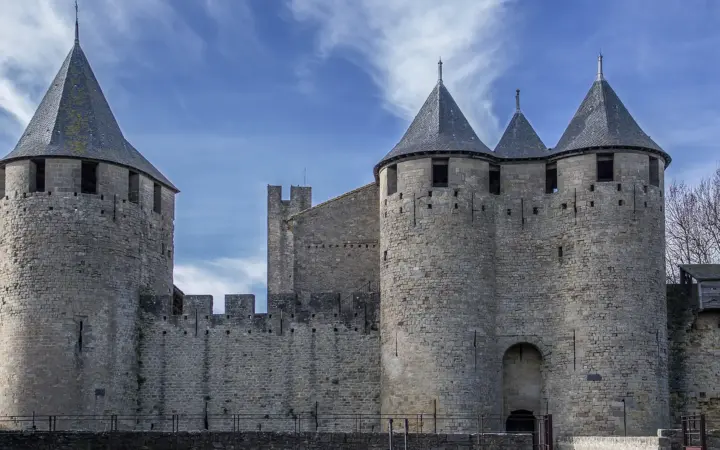
The walled Cité of Carcassonne, with its double ramparts and 52 towers, is one of the great medieval sights of Europe. Come early or late to enjoy it without the crowds.
Nîmes and the Pont du Gard
Nîmes has a Roman arena still used for events and the remarkable Maison Carrée temple. The Pont du Gard aqueduct is about 25 km away.
Toulouse and Montpellier
Toulouse, the “pink city”, is known for its brick buildings, the Basilica of Saint-Sernin and its aerospace industry. Montpellier is young and elegant, with a lively old town and the sea close by.
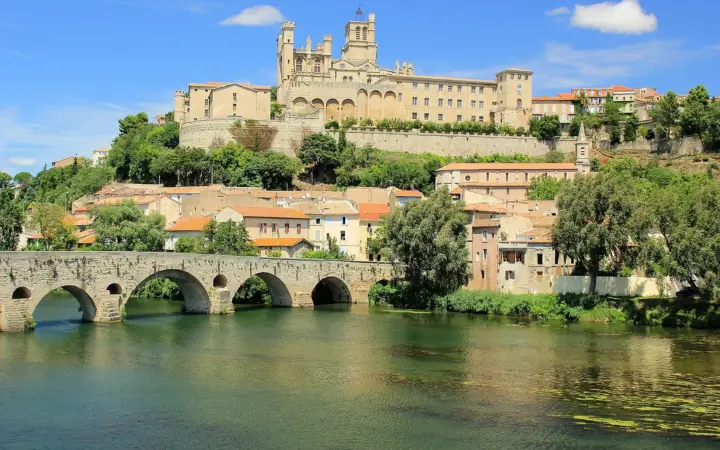
The Canal du Midi and Béziers
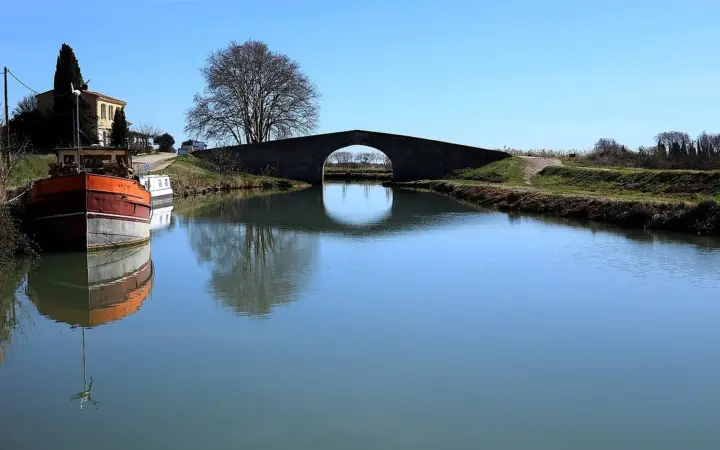
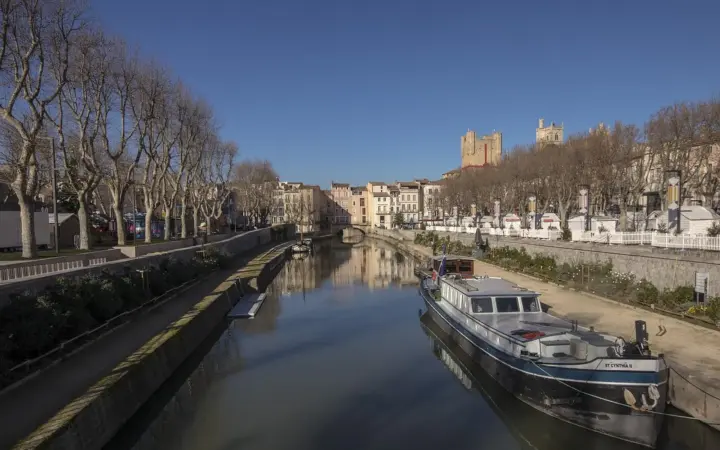
The Canal du Midi links Toulouse to the Mediterranean. Near Béziers, the Fonseranes locks form a spectacular staircase of nine locks.
Lourdes and the Pyrenees
Lourdes is one of the world’s great pilgrimage sites, and a gateway to the Pyrenees – including the Cirque de Gavarnie.
The Mediterranean coast
Long sandy beaches at Narbonne-Plage, Gruissan and Leucate, and the colourful harbour of Collioure near the Spanish border.
Best time to visit Occitanie
May, June and September are ideal for sightseeing: warm and sunny, with fewer crowds. July and August are best for the beaches, but inland cities can be very hot. The Pyrenees are great for hiking in summer and skiing in winter.
Getting to and around Occitanie
Toulouse and Montpellier are the main airports, and Carcassonne, Nîmes, Béziers and Perpignan have smaller ones. TGV trains link Paris with Nîmes and Montpellier in about 3 hours. A car is the easiest way to explore villages, vineyards and the mountains.
Occitanie itinerary ideas
- Roman route: Nîmes, the Pont du Gard and Arles across the border in Provence.
- Cathar country: Carcassonne and the hilltop castles of the Aude.
- Coast and canal: Montpellier, Béziers, the Canal du Midi and Narbonne.
What to eat in Occitanie
Cassoulet from Castelnaudary and Toulouse, Toulouse sausage, brandade de morue in Nîmes, oysters from the Étang de Thau, Roquefort cheese and anchovies from Collioure. Wines include Languedoc, Minervois, Corbières and Banyuls.
Occitanie travel tips
- Book Carcassonne accommodation early in summer.
- Watch for heat inland in July and August – visit monuments in the morning.
- Combine coast and mountains: the Pyrenees are only a couple of hours from the beaches.
Occitanie FAQ
What is Occitanie known for?
Carcassonne, Roman Nîmes, the Canal du Midi, Lourdes, the Pyrenees and its wines.
Is Occitanie good for a beach holiday?
Yes – it has long, sandy Mediterranean beaches from the Camargue to the Spanish border.
What is the best base in Occitanie?
Montpellier or Toulouse for city life, Carcassonne for medieval history and Nîmes for Roman sites.