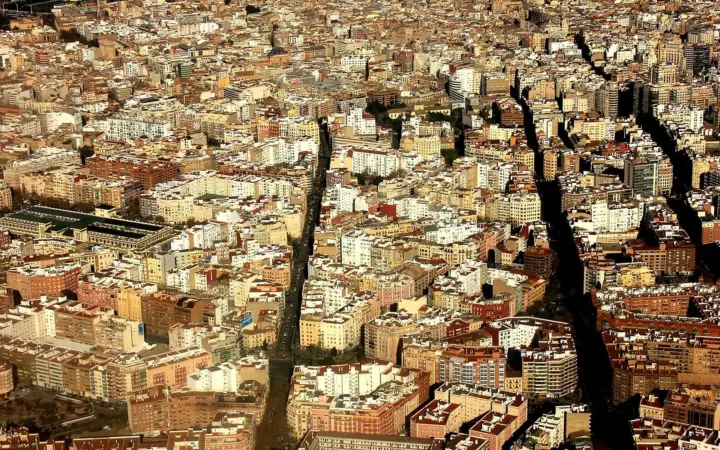




Valencia is Spain’s third city and one of its most enjoyable. With around 840,000 inhabitants, it combines a historic centre full of Gothic and baroque monuments with daring modern architecture, a 9 km park where a river once flowed, and wide sandy beaches. It is also the birthplace of paella.
Why visit Valencia
It is easy, flat and green – perfect to explore by bike – with great food, mild weather for most of the year and a mix of history, culture and beach that suits every kind of trip.
Top things to do in Valencia
The City of Arts and Sciences
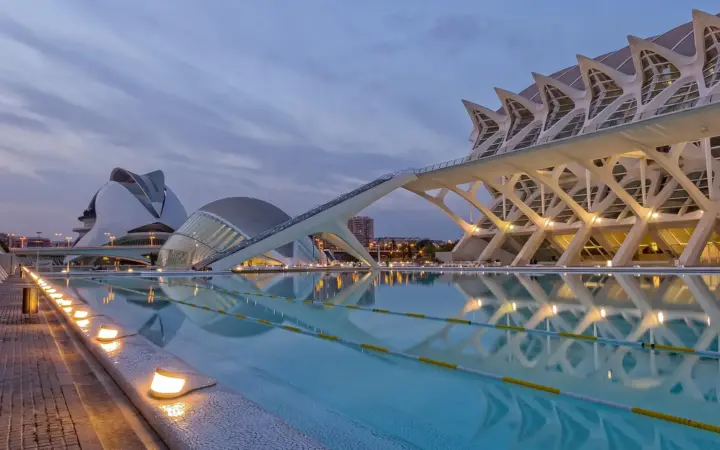
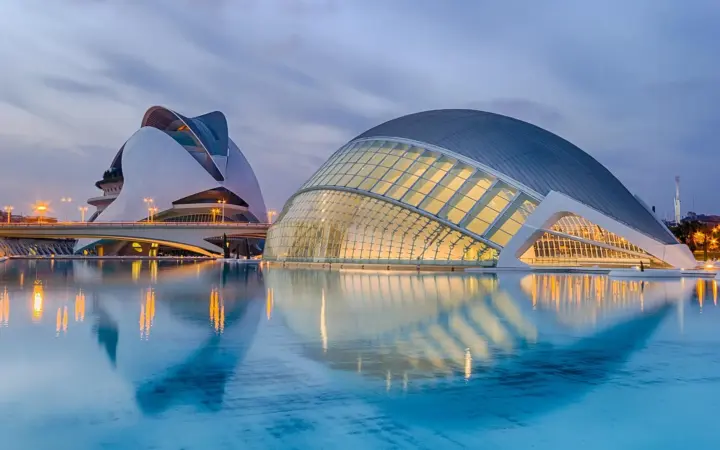
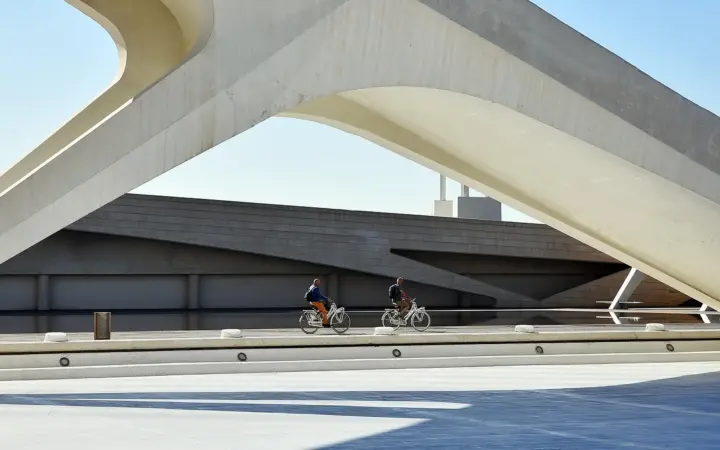
Santiago Calatrava’s white futuristic complex includes a science museum, an opera house, a planetarium and the Oceanogràfic, Europe’s largest aquarium.
The Turia Gardens
After a flood in 1957 the river was diverted, and its old bed became a 9 km park crossing the city, with paths, playgrounds and historic bridges.
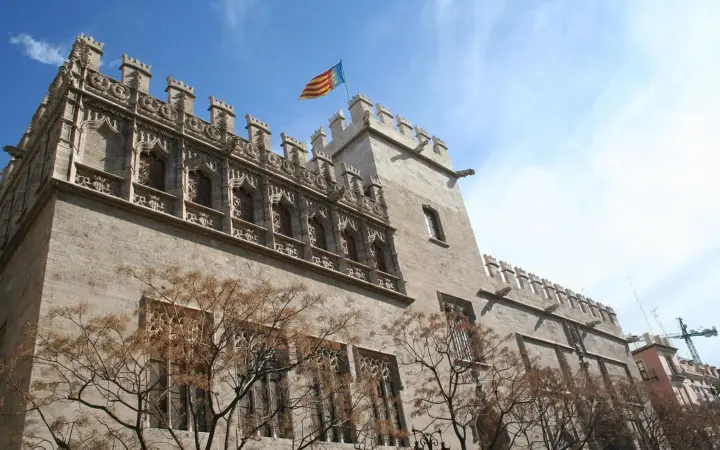
La Lonja and the Central Market
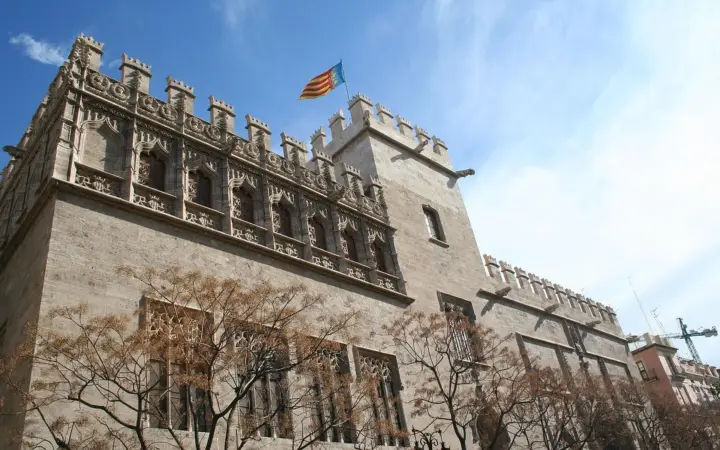
The Lonja de la Seda, a Gothic silk exchange, is a UNESCO site. Opposite, the Mercado Central is a modernist market hall full of local produce.
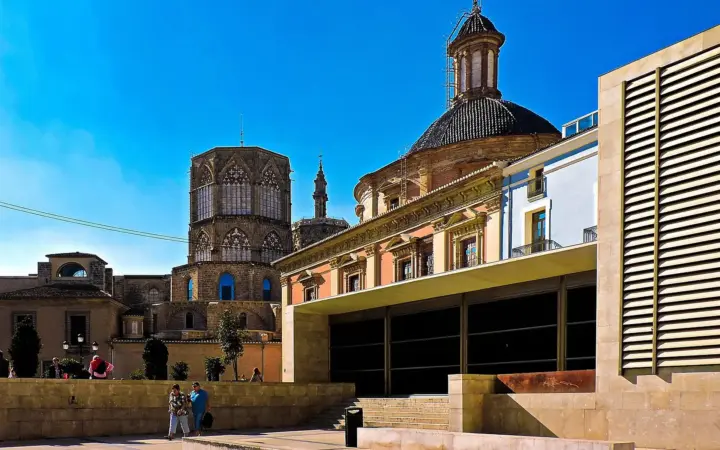
The cathedral and the Miguelete
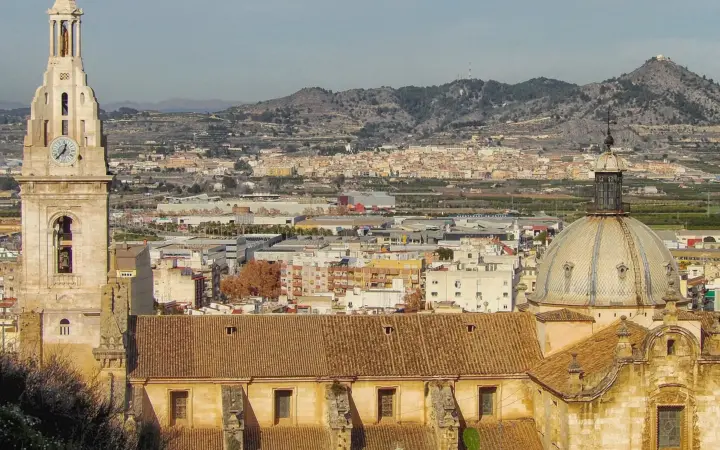
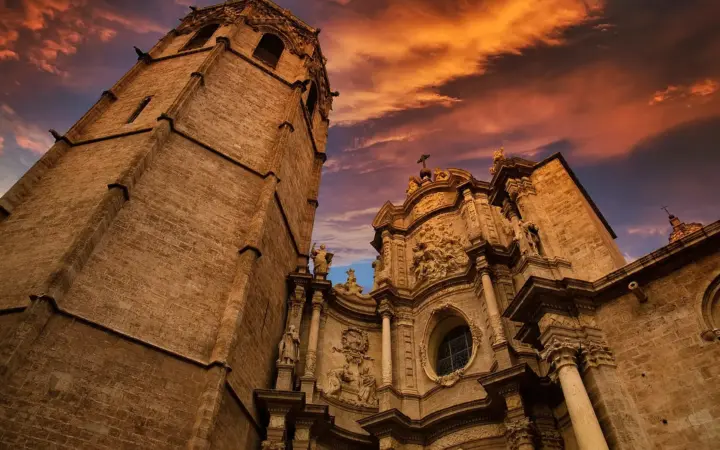
The cathedral holds a chalice venerated as the Holy Grail. Climb the Miguelete bell tower for views over the old town.
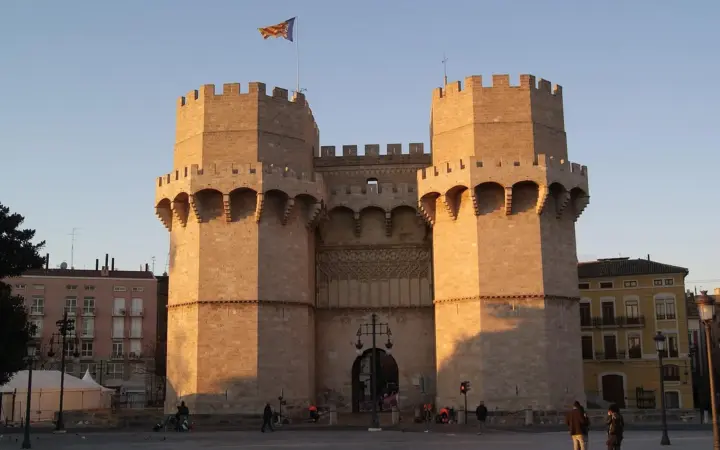
El Carmen and the city gates
The old El Carmen quarter has street art, bars and the medieval Torres de Serranos and Torres de Quart.
The beaches
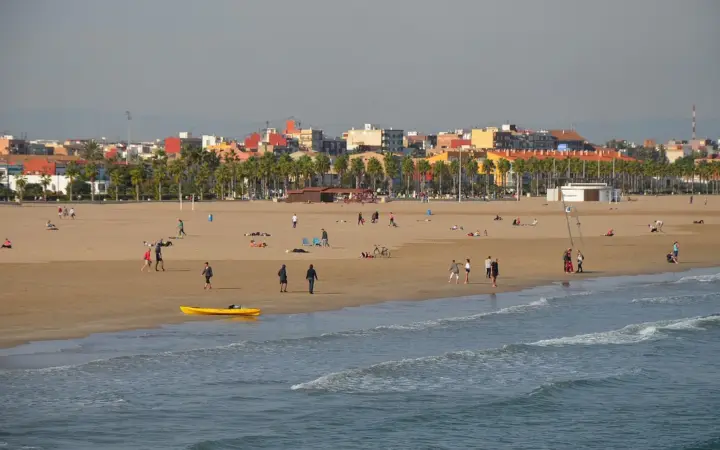
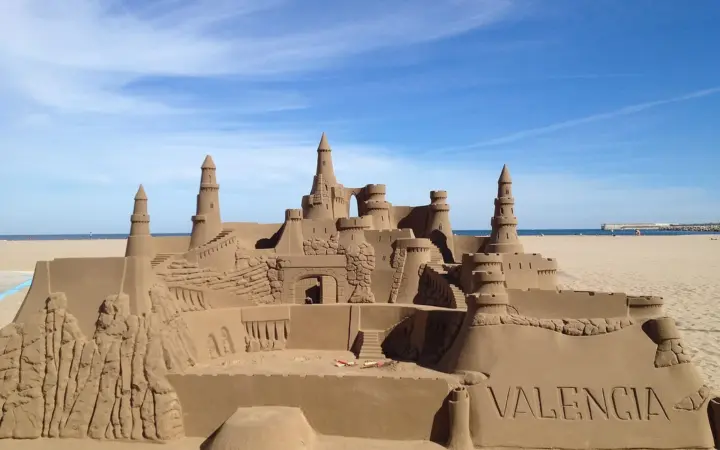
La Malvarrosa and Las Arenas are long city beaches with a promenade of restaurants, reachable by tram.
The Albufera and paella
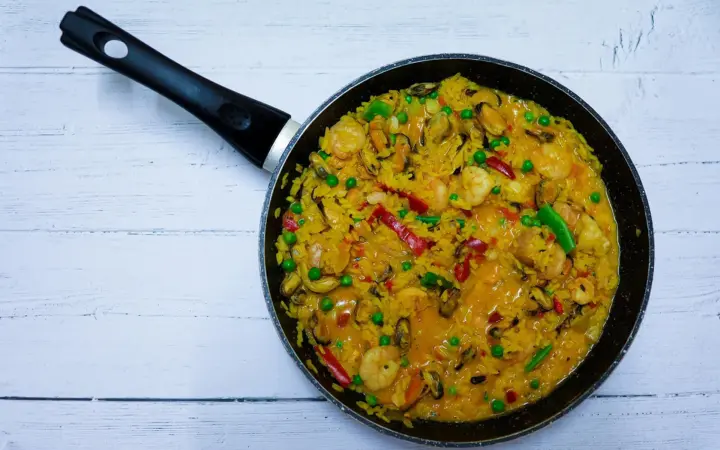
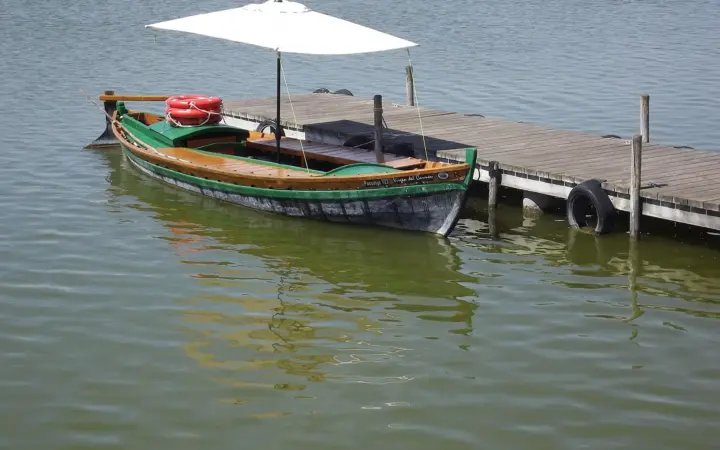
South of the city, the Albufera natural park is a large freshwater lagoon among rice fields. Take a boat ride at sunset and eat paella in the village of El Palmar.
Festivals in Valencia
The Fallas (15–19 March) fill the streets with giant satirical figures, fireworks and daily firecracker displays, before the figures are burnt on the last night.
Best time to visit Valencia
Spring and autumn are perfect. Summer is hot and humid, ideal for the beach. Winter is mild and sunny.
Getting to and around Valencia
Valencia airport is about 8 km from the centre, linked by metro lines 3 and 5. High-speed trains reach Madrid in about two hours. The city has metro, trams, buses and a public bike scheme, Valenbisi.
What to eat in Valencia
Paella valenciana (with chicken, rabbit and beans), arroz negro and arroz a banda, all i pebre, horchata with fartons, and agua de Valencia, a cocktail of orange juice and cava.
Valencia FAQ
What is the real Valencian paella?
The traditional recipe uses chicken, rabbit, green beans and garrofó beans, cooked over a wood fire. Seafood versions are also popular.
How many days do you need in Valencia?
Two or three days are enough for the old town, the City of Arts and Sciences, the beach and the Albufera.