


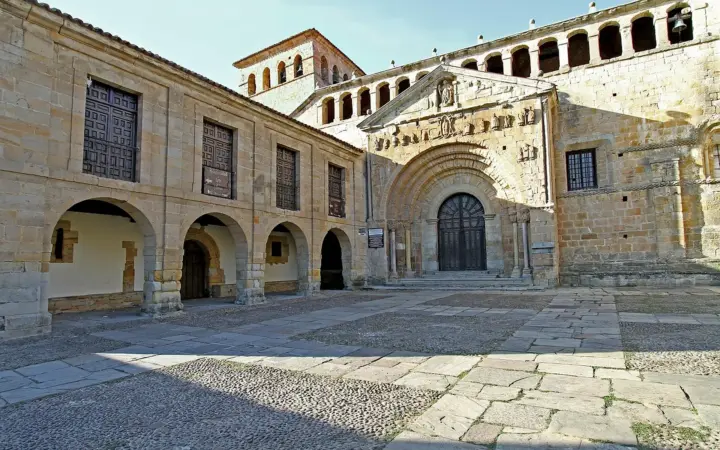
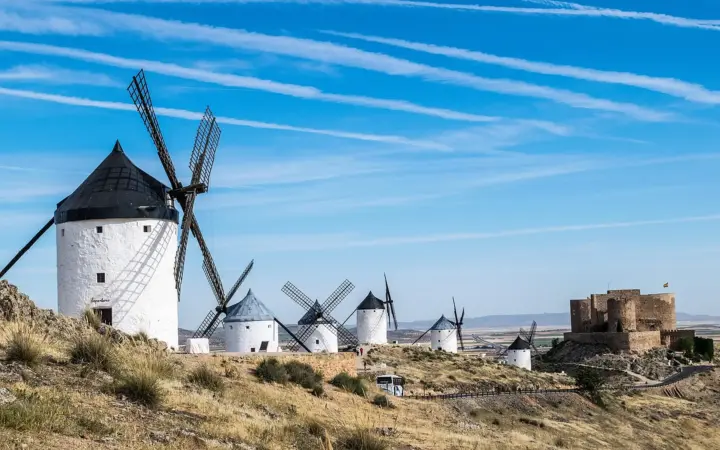
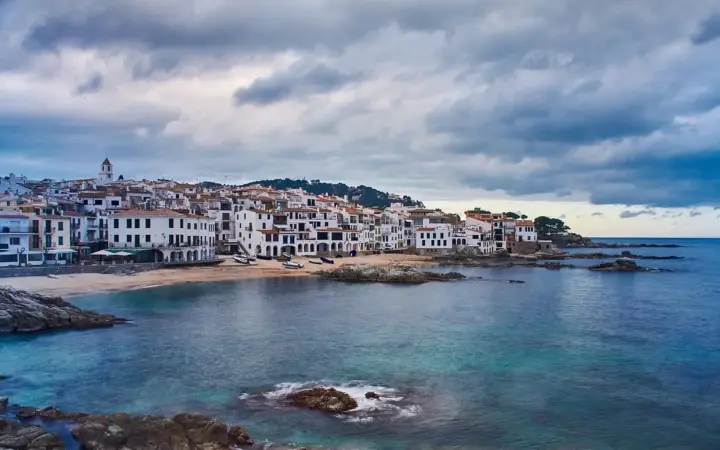
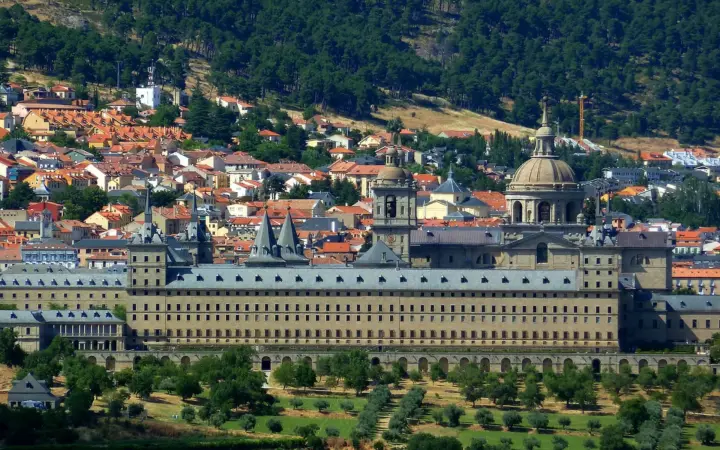
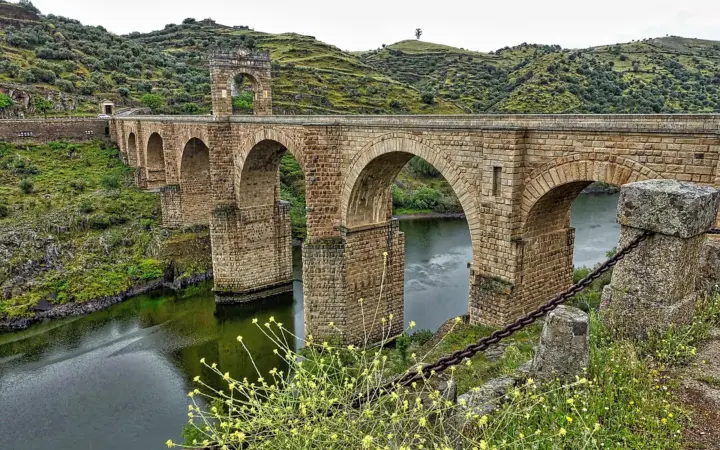


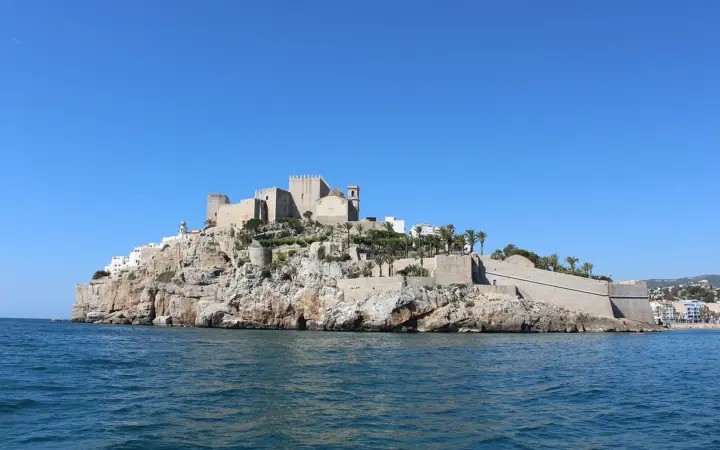
Spain is not one trip. It is half a dozen. Breakfast in the Moorish courtyards of Seville, lunch with a sea view in Barcelona, a late-night tapas crawl in Madrid – and a high-speed train to stitch it all together. This Spain travel guide helps you choose the right region, the right season and the smartest way to move between them.
Why Spain should be your next trip
Few countries fit this much into one map: Moorish palaces in Andalusia, Gaudí’s Barcelona, world-class art in Madrid, misty green coasts in the north and two sets of islands, the Balearics and the Canaries. Every region has its own food, its own festivals and sometimes its own language, so a second trip to Spain never feels like a repeat.
It is also refreshingly easy. One of the largest high-speed rail networks in the world links the big cities, the main sights keep long hours, and life spills out onto terraces and squares until well after midnight.
Where to go in Spain: the regions at a glance
Madrid: art by day, tapas by night
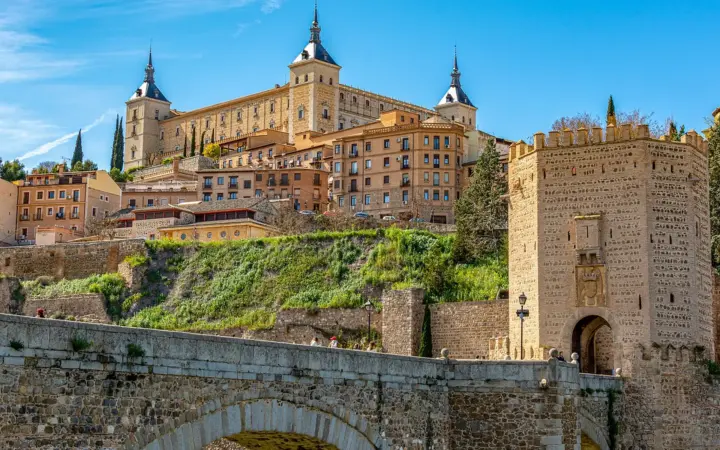
Madrid’s Golden Triangle of Art – the Prado, the Reina Sofía and the Thyssen-Bornemisza – lines a single boulevard, so you can see Velázquez, Picasso’s Guernica and the Impressionists in one walk. When the museums close, the city moves to the bars of La Latina and Malasaña. Toledo, Segovia and Ávila are easy day trips.
Andalusia: the Spain of the postcards
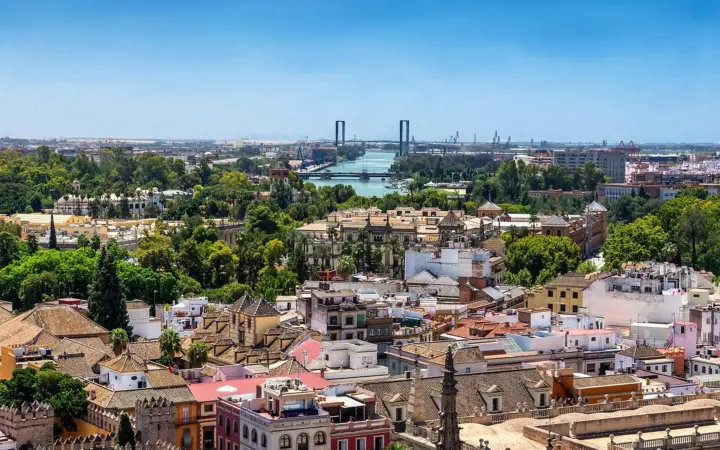
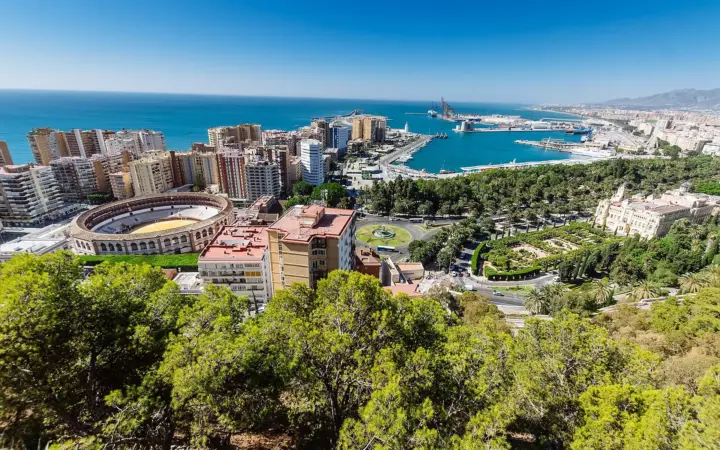
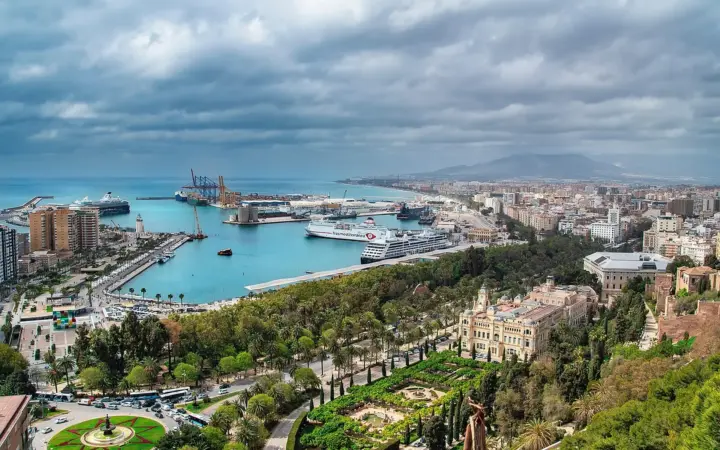
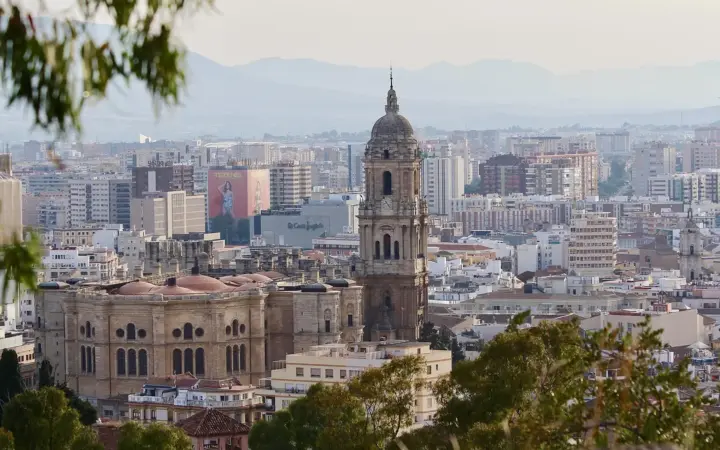
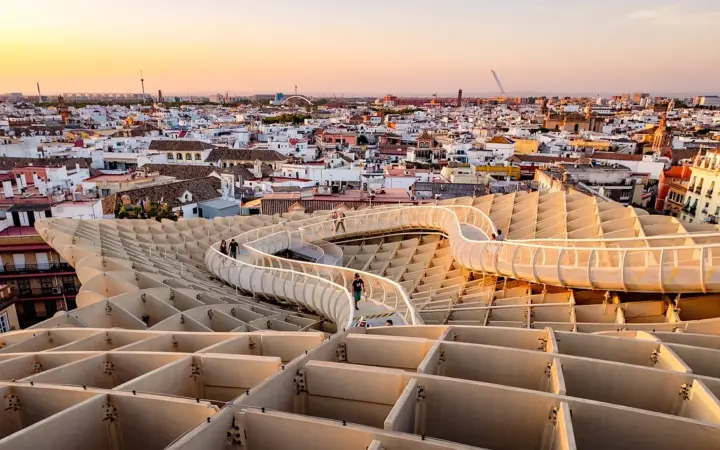
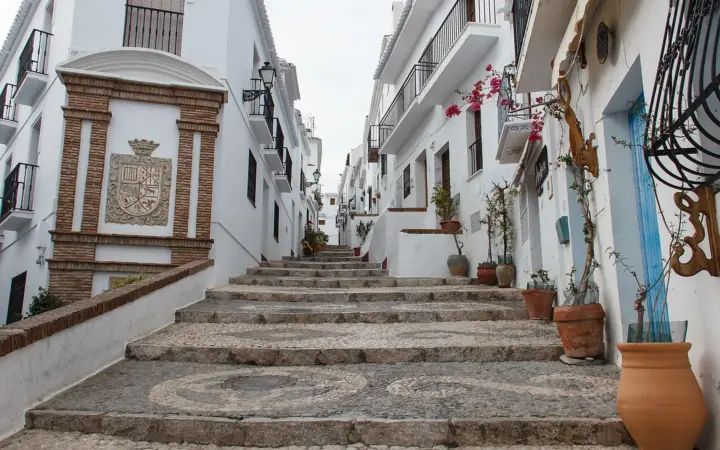
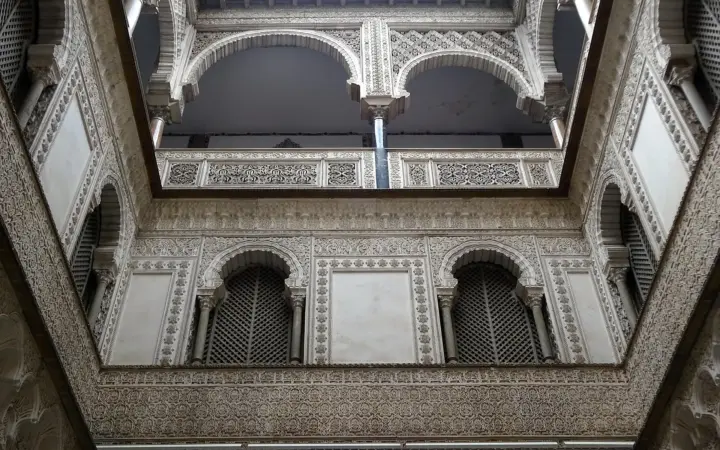
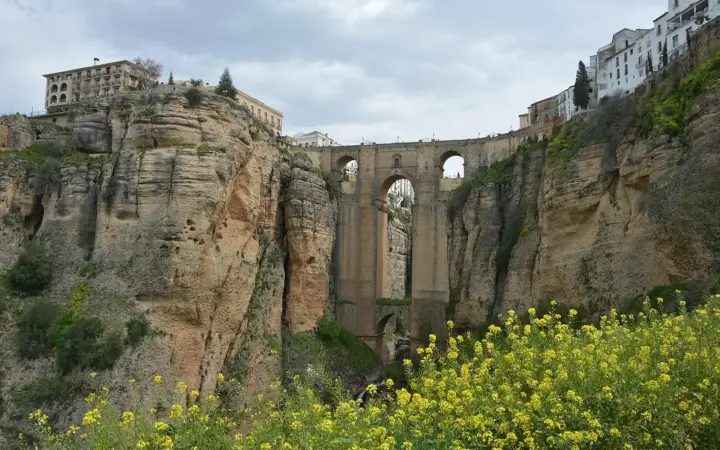
Flamenco, orange trees and whitewashed villages. Seville, Granada and Córdoba hold Spain’s great Moorish masterpieces – the Real Alcázar, the Alhambra and the Mezquita – and the beaches of the Costa del Sol are a short drive from Málaga.
Barcelona and Catalonia: Gaudí meets the Mediterranean
Few cities let you go from a Gaudí masterpiece to the beach in twenty minutes. Add the medieval lanes of the Gothic Quarter, the market stalls of La Boqueria and, beyond the city, the coves of the Costa Brava, the Dalí Theatre-Museum in Figueres and the mountain monastery of Montserrat.
The green north: Spain’s best-kept secret
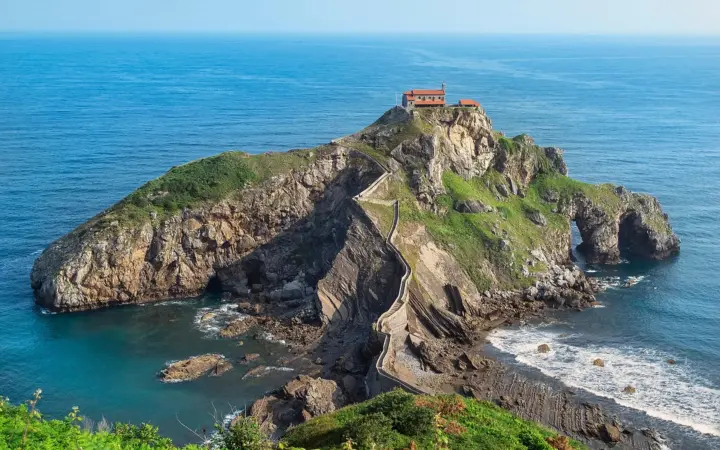
Cooler, greener and far less crowded. The Basque Country, Cantabria, Asturias and Galicia offer San Sebastián’s legendary pintxos bars, the Guggenheim in Bilbao, the peaks of the Picos de Europa and the end of the Camino de Santiago in Santiago de Compostela.
Valencia and the islands: paella and beach days
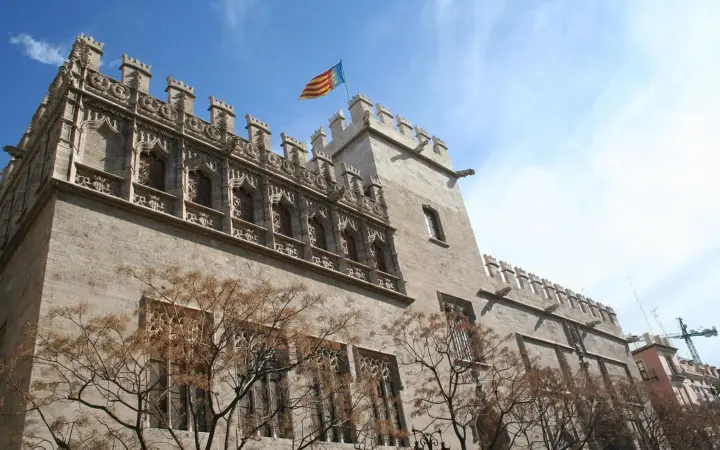
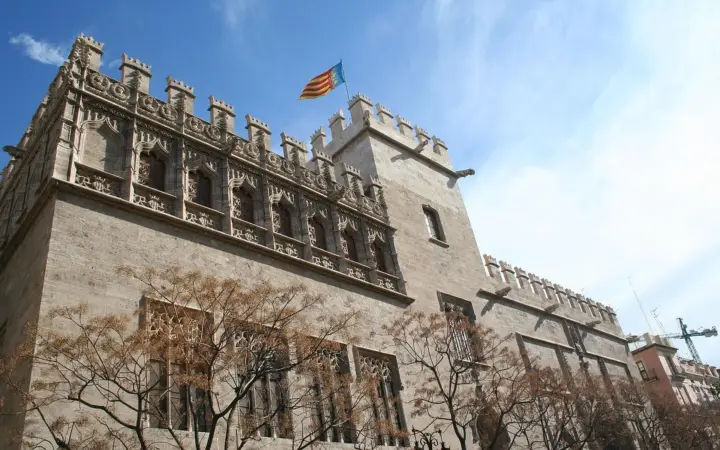
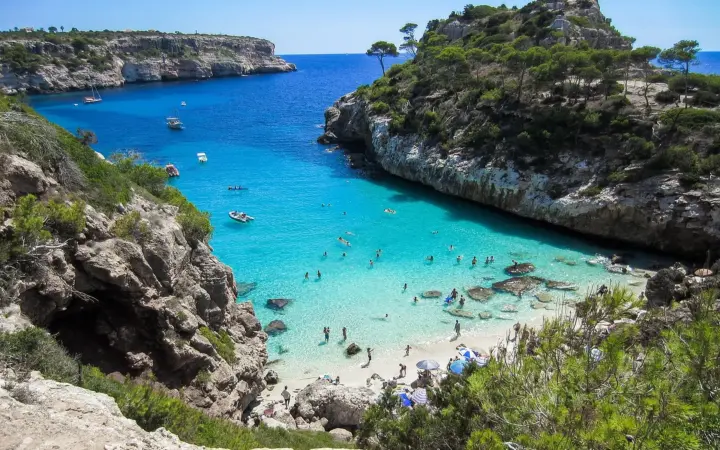
Valencia is the birthplace of paella and home to the futuristic City of Arts and Sciences. For pure beach time, pick the Balearic Islands – Mallorca, Menorca or Ibiza – or the Canary Islands, where it feels like spring all year.
Best time to visit Spain
Spring (April to June) and autumn (September and October) are the sweet spot: warm days, cool nights and fewer crowds. July and August are scorching inland – Seville, Córdoba and Madrid regularly pass 40 °C – while the north and the coasts are pleasant but packed. Winter is mild in Andalusia and on the Mediterranean, and the Canaries stay warm right through the year.
Big festivals fill hotels months ahead, so book early if you plan to go during:
- Las Fallas in Valencia (March).
- Holy Week (Semana Santa) and the April Fair in Seville.
- San Fermín in Pamplona (July).
How to get around Spain
Flying in
Madrid-Barajas and Barcelona-El Prat are the main international gateways, followed by Málaga, Palma, Alicante and Valencia. Both Madrid and Barcelona airports connect to the city centre by metro and train.
High-speed trains: the smartest way to travel
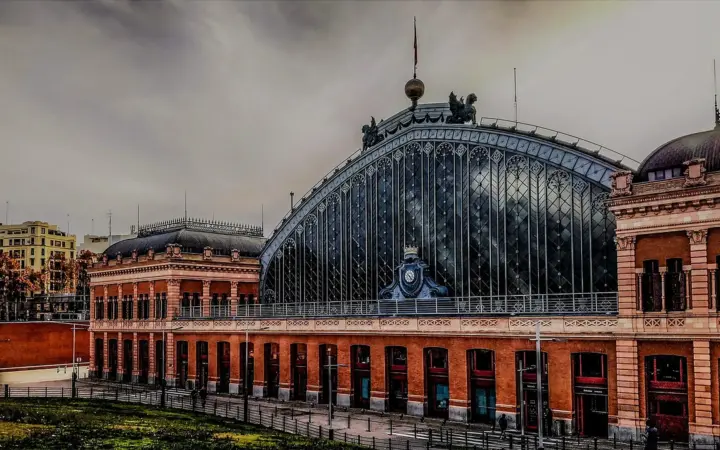
Spain’s fast trains are a joy. Renfe’s AVE, Iryo and Ouigo run from Madrid to Barcelona or Seville in about two and a half hours, city centre to city centre, with no airport queues. Book early on popular routes, especially at weekends and on public holidays.
Car and bus
Rent a car for the white villages of Andalusia and the north coast – that is where it really pays off. Long-distance buses fill the gaps the trains leave. In the big cities, park outside the centre: spaces are scarce and many have low-emission zones.
Spain itinerary ideas for a first trip
- One week, the classics: three days in Madrid, then Córdoba, Seville and Granada by train.
- Ten days, the grand tour: Barcelona, a fast train to Madrid, then on to Seville and Granada.
- A slow road trip: the north by car, from Bilbao and San Sebastián to Asturias and Santiago de Compostela.
- Winter sun: Tenerife or Gran Canaria, or Málaga and the Costa del Sol.
What to eat in Spain
The golden rule: eat when the Spanish eat. Lunch, the main meal, runs from about 2 to 4 pm, and dinner rarely starts before 9 pm. In Madrid and Andalusia, tapas are a way of life; in the Basque Country, they become pintxos. Do not leave without trying jamón ibérico, tortilla de patatas, paella in Valencia, Galician seafood and churros dipped in thick hot chocolate. On weekdays, look for the menú del día, a set lunch served in many restaurants.
Spain travel tips: what to know before you go
- Language: Spanish is spoken everywhere; Catalan, Basque and Galician are co-official in their regions. English is common in tourist areas.
- Money: the currency is the euro, and cards are accepted almost everywhere, even for a coffee.
- Tipping: not expected; rounding up or leaving some change for good service is enough.
- Opening hours: small shops often close for a few hours in the afternoon, and most museums close one day a week, usually Monday.
- Plugs: types C and F, 230 V.
- Emergencies: call 112.
- Time zone: mainland Spain and the Balearics use Central European Time; the Canary Islands are one hour behind.
Spain travel FAQ
How many days do you need in Spain?
A week is enough for Madrid and one region, such as Andalusia. With ten days to two weeks you can combine Barcelona, Madrid and the south without rushing.
Do I need a car in Spain?
Not for the cities: trains and public transport are excellent. A car is worth it for the white villages of Andalusia, the north coast and the countryside.
Is Spain a good winter destination?
Yes. The Canary Islands stay warm all year, Andalusia enjoys mild, sunny days, and Madrid and Barcelona are at their quietest outside the Christmas holidays.
Which city is best for a first trip to Spain?
Madrid is the most central base, with fast trains in every direction. Barcelona is the best choice if you want city and beach in one place.