


Yucatán is where the Maya world comes alive. Beyond the beaches of the Caribbean coast lies a state of colonial cities, great archaeological sites, haciendas and thousands of cenotes – with a food culture all of its own. This Yucatán travel guide helps you plan Mérida, the ruins and the best swims in between.
Why visit Yucatán
The state of Yucatán, in the north of the peninsula, is home to Chichén Itzá, one of the New Seven Wonders of the World, and the elegant Puuc-style city of Uxmal. Its capital, Mérida, is a lively, welcoming city of colonial mansions, museums and free cultural events almost every night.
Add cenotes, flamingo lagoons, yellow-painted Izamal and restored haciendas, and Yucatán makes a perfect contrast to the Caribbean resorts.
Top places to visit in Yucatán
Mérida
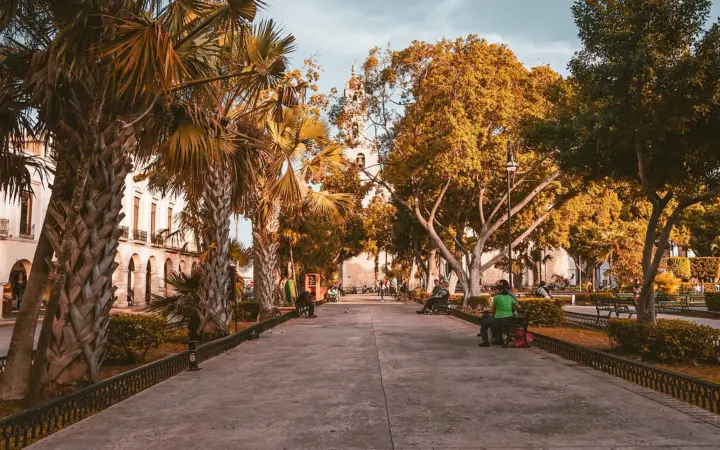
The Plaza Grande and its cathedral, the grand mansions of Paseo de Montejo, excellent museums such as the Gran Museo del Mundo Maya, and music and dance in the squares in the evenings.
Chichén Itzá
The great pyramid of El Castillo, the ball court and the sacred cenote. At the spring and autumn equinoxes, the sun draws the shadow of a serpent down the pyramid steps. Arrive at opening time to avoid the heat and crowds.
Uxmal and the Puuc Route
Uxmal, with its Pyramid of the Magician and finely carved façades, is quieter than Chichén Itzá and just as impressive. Nearby sites such as Kabah complete the Puuc Route.
Valladolid and the cenotes
A colourful colonial town with a cenote in its centre and many more nearby, including Ik Kil, Suytun and Oxman, perfect after visiting Chichén Itzá.
Izamal, Celestún and Las Coloradas
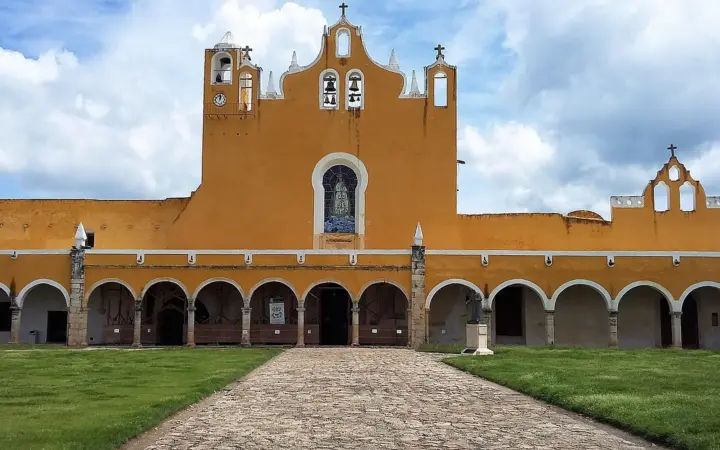
Izamal, the “yellow city”, is built around a huge convent. On the coast, Celestún is famous for its flamingos, and the lagoons of Las Coloradas turn pink.
Best time to visit Yucatán
November to March is the most comfortable time, with warm days and cooler evenings. April and May are the hottest months, often above 40 °C. From June to October comes the rainy season, with short afternoon storms and some hurricane risk. The spring equinox (around 20 March) draws big crowds to Chichén Itzá.
Getting to and around Yucatán
Mérida has an international airport, and Cancún is about four hours away by bus or road. ADO buses link Mérida, Valladolid, Chichén Itzá and Izamal, and the Tren Maya connects Mérida with Valladolid and Cancún. A rental car is ideal for the Puuc Route, cenotes and haciendas – the roads are good and quiet.
Yucatán itinerary ideas
- Four days: Mérida, Uxmal and a day at Chichén Itzá with cenotes.
- One week: Mérida, Celestún, the Puuc Route, Izamal and Valladolid.
- Peninsula loop: Cancún, Valladolid, Mérida and back via Bacalar and Tulum.
What to eat in Yucatán
Yucatecan cuisine is unique in Mexico. Try cochinita pibil (slow-roasted pork in achiote), sopa de lima, poc chuc (grilled pork), papadzules and panuchos, and finish with a marquesita. To drink: xtabentún, a honey and anise liqueur.
Yucatán travel tips
- Start early: visit the ruins at opening time to beat the heat.
- Bring cash for cenotes, colectivos and markets.
- Stay in a hacienda for at least a night – many are beautifully restored.
- Respect the cenotes: shower before swimming and skip sunscreen and repellent.
Yucatán FAQ
Is Mérida a good base?
Yes. It is central, full of restaurants and culture, and well connected to Uxmal, Celestún, Izamal and Chichén Itzá.
Chichén Itzá or Uxmal?
Chichén Itzá for the iconic pyramid; Uxmal for fewer crowds and some of the finest Mayan architecture. If you can, see both.
How many days do you need in Yucatán?
Four days for Mérida and the main ruins; a week to add cenotes, Celestún and the haciendas at a relaxed pace.