


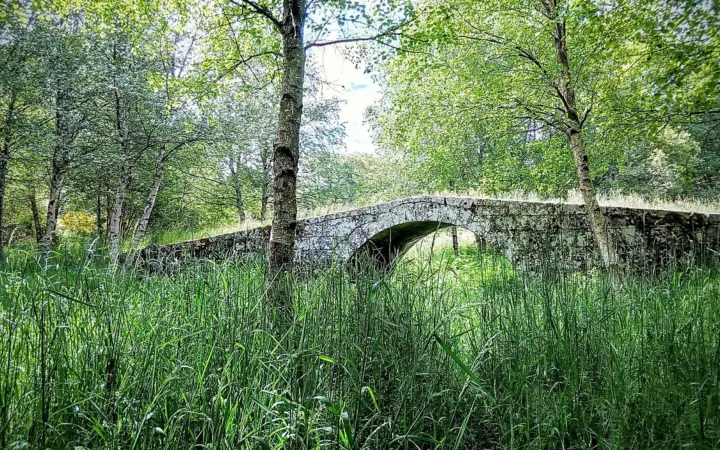
Galicia is the green, Atlantic north-west of Spain. Its four provinces – A Coruña, Lugo, Ourense and Pontevedra – are a land of deep estuaries called rías, lighthouses, granite villages, misty hills and some of the best seafood in Europe. Galician and Spanish are both spoken.
Why visit Galicia
It is the destination of the Camino de Santiago, one of the world’s great pilgrimages, and has three UNESCO World Heritage sites: the old town of Santiago de Compostela, the Tower of Hercules in A Coruña and the Roman walls of Lugo. Add wild beaches, fishing villages and a strong Celtic tradition with bagpipes.
Top places in Galicia
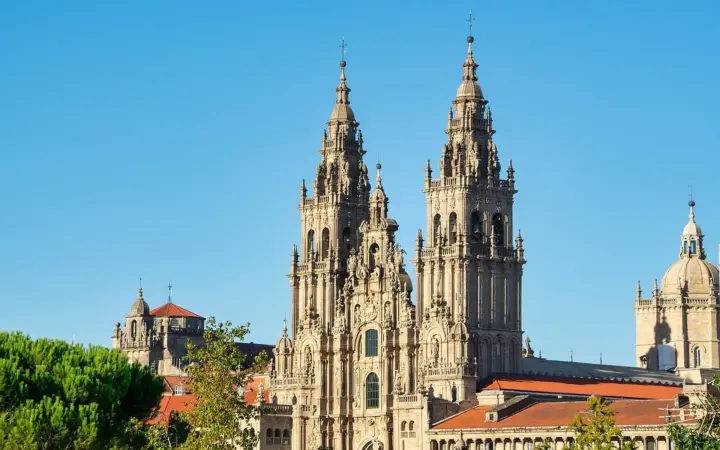
Santiago de Compostela
The end of the Camino, with its great cathedral, the Praza do Obradoiro and an arcaded old town of granite.
The Rías Baixas
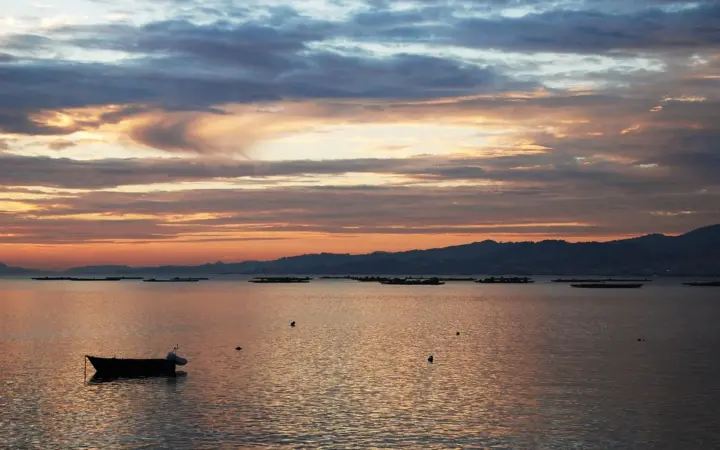
Southern estuaries with calm beaches, seafood towns such as Cambados and Combarro, and the Albariño wine country.
The Cíes Islands
Part of the Atlantic Islands National Park, off Vigo, with white sand and clear water. Visitor numbers are limited in summer, so book the boat in advance.
A Coruña
A lively port city with glazed balconies on the seafront and the Tower of Hercules, the oldest Roman lighthouse still in use.
The Costa da Morte and Finisterre
A wild coast of cliffs and lighthouses ending at Cape Finisterre, which many pilgrims see as the true end of the Camino.
Lugo and the Ribeira Sacra
Lugo is completely encircled by Roman walls you can walk on; the Ribeira Sacra has terraced vineyards above river canyons and Romanesque monasteries.
Best time to visit
Summer is the driest and warmest season, rarely too hot. Spring and autumn are green and quiet but rainy. Winter is mild and wet. Always pack a rain jacket.
Getting to and around Galicia
Galicia has three airports: Santiago, A Coruña and Vigo. High-speed trains link Santiago, A Coruña, Vigo and Ourense with Madrid, and the coastal Atlantic axis line connects the main cities. A car is best for villages, beaches and the Ribeira Sacra.
What to eat in Galicia
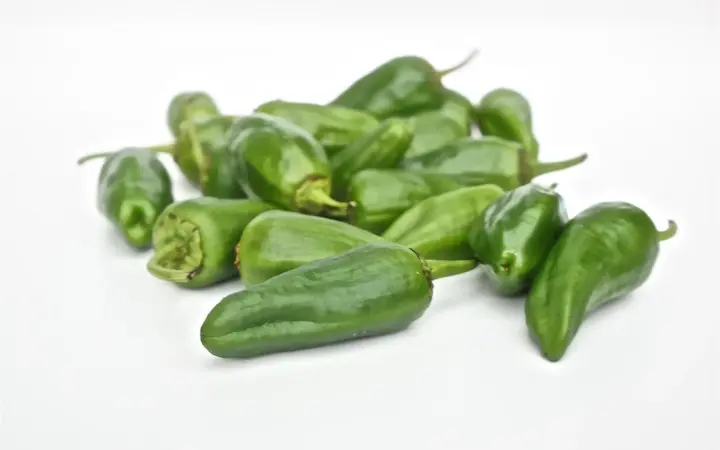
Pulpo á feira (octopus with paprika), pimientos de Padrón, empanada, shellfish such as percebes (goose barnacles), tetilla cheese, tarta de Santiago (almond cake) and white Albariño and Ribeiro wines.
Galicia FAQ
Does it rain a lot in Galicia?
Yes, it is one of the rainiest parts of Spain, especially from October to April. Summer is usually much drier.
Where does the Camino de Santiago end?
At the cathedral of Santiago de Compostela; many pilgrims then continue to Finisterre or Muxía on the coast.