
Valencia has a mild Mediterranean climate and plenty of sunshine all year. There is no bad time to come – but each season offers something different.
The quick answer
- Best overall: April to June and September to October.
- Beach holiday: June to September.
- Festival lovers: mid-March for the Fallas.
- Quiet city break: November to February.
Spring (March to May)
Spring is warm and bright, perfect for cycling through the Turia Gardens and walking the old town. In March the city explodes with the Fallas (15–19 March): giant satirical sculptures, fireworks, the daily mascletà and the burning of the monuments on the last night. It is a UNESCO-listed festival – spectacular, but crowded and noisy. Easter brings the processions of the seafront districts.
Summer (June to August)
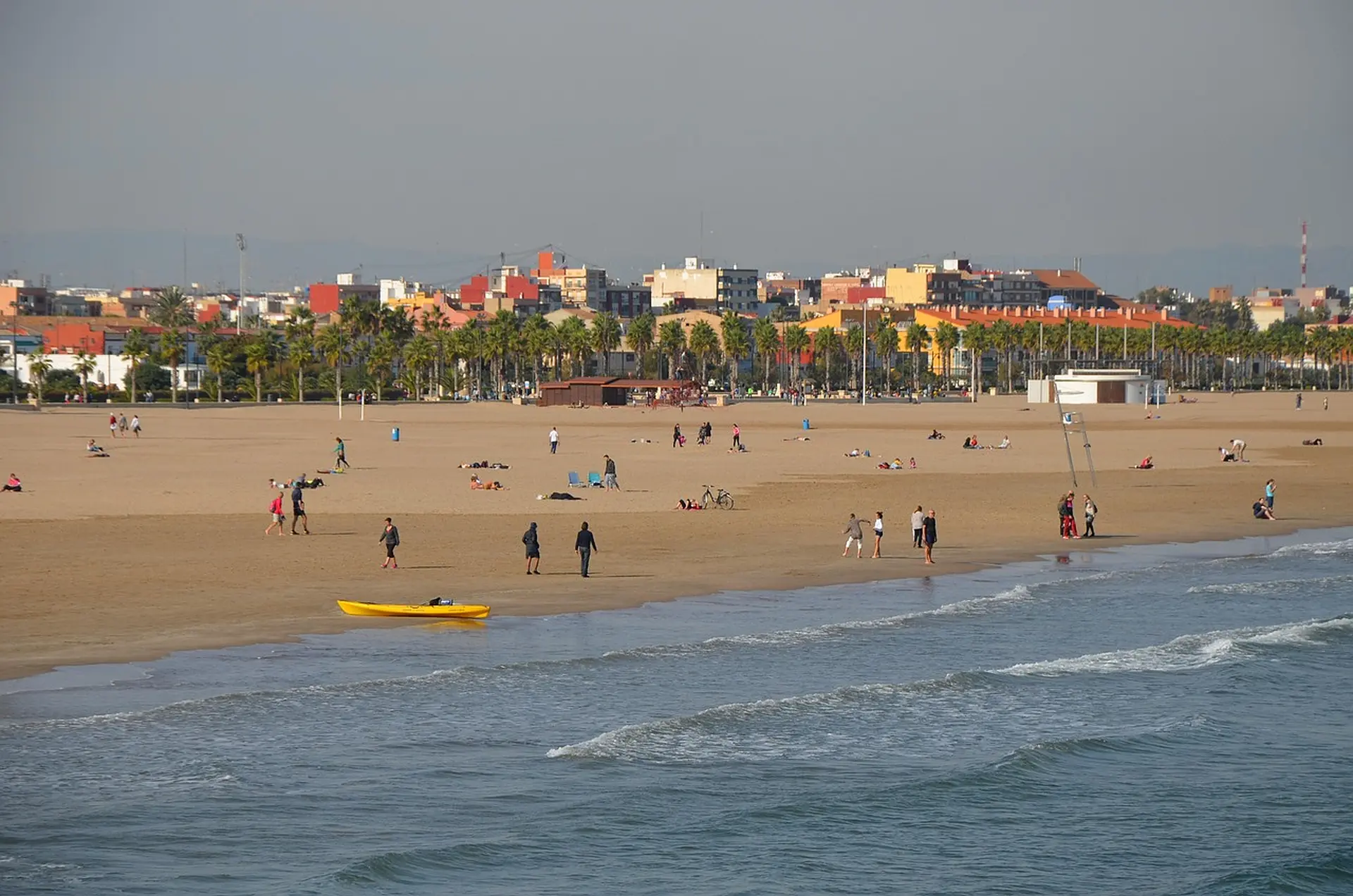
Summer is hot and humid, with long beach days at the Malvarrosa and lively nights. Plan sightseeing early in the morning and in the evening, and use the hottest hours for the beach or a siesta. In late August, the Tomatina tomato fight takes place in nearby Buñol.
Autumn (September to November)
September and October are excellent: the sea is still warm, the crowds thin out and the light is golden over the City of Arts and Sciences. Autumn can bring sudden heavy rain storms, so check the forecast and follow local warnings.
Winter (December to February)
Winters are mild and often sunny, with cool evenings. It is the calmest time to visit museums and markets, and the orange trees in the streets are full of fruit. Christmas brings lights and markets to the centre.
Month by month
- January–February: mild, quiet, oranges in season.
- March: spring arrives; the Fallas from 15 to 19 March.
- April–May: ideal weather; Easter processions.
- June: long days, beach season begins.
- July–August: hot, busy beaches, Tomatina in Buñol.
- September–October: warm sea, fewer crowds.
- November–December: cooler, risk of rain; Christmas lights.
Plan your trip with Valencia in 3 days, read our Valencia travel tips and choose a base in where to stay in Valencia.