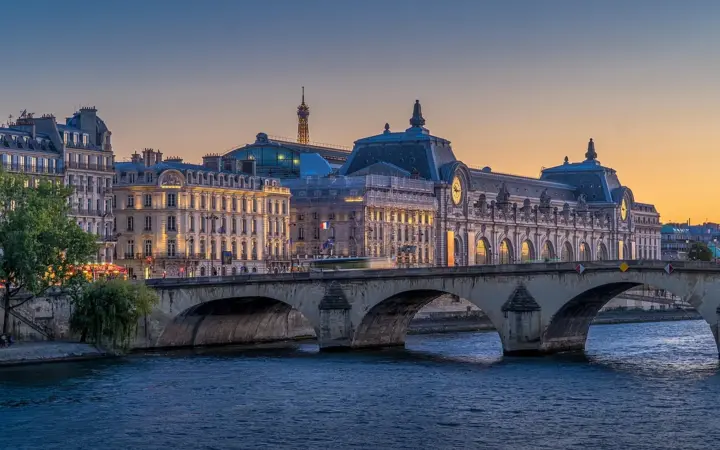


In Paris, eating well is not a luxury – it is a daily ritual. The city’s best meals are often the simplest: a warm croissant at 8 a.m., a jambon-beurre on a park bench, a long bistro lunch, a cheese plate as the sun sets over the Seine. The French gastronomic meal is even on UNESCO’s list of intangible cultural heritage. Here is what to eat, where to find it and how to eat it like a local.
Breakfast: the bakery comes first
Croissant and pain au chocolat
Look for the words “artisan boulanger” on the shop front and a croissant made “au beurre” (with butter). It should be flaky outside, soft and buttery inside, and leave crumbs everywhere.
The baguette
Paris holds an annual competition for the best baguette, and the winner supplies the Élysée Palace for a year. Ask for a “tradition”: it is made with simple ingredients and has a crisp crust and a creamy crumb.
Other morning treats
Try a pain aux raisins, a chausson aux pommes (apple turnover) or simply a slice of baguette with butter and jam – the classic tartine – with a café crème.
Lunch: quick and delicious
- Jambon-beurre: ham and butter in a fresh baguette, the true Parisian sandwich.
- Croque-monsieur: toasted ham and cheese with béchamel; add an egg for a croque-madame.
- Falafel in the Marais: Rue des Rosiers is famous for it.
- The formule: many bistros offer a set lunch menu (starter and main, or main and dessert) – the best way to eat well at lunchtime.
Tours and activities in Paris
Dinner: bistro classics
- Steak-frites with a pepper or béarnaise sauce.
- Soupe à l’oignon, the onion soup topped with bread and melted cheese.
- Boeuf bourguignon and blanquette de veau, slow-cooked comfort food.
- Confit de canard, duck leg cooked in its own fat, with crispy potatoes.
- Escargots in garlic and parsley butter – try them once.
- Tartare, raw chopped beef seasoned at your table, for the adventurous.
Cheese and wine
A cheese shop (fromagerie) is a temple: ask for a selection of Comté, Brie de Meaux, Camembert, Roquefort and a goat’s cheese, and let the cheesemonger guide you. Pair it with a glass of wine in a bar à vin, where natural wines are hugely popular. In restaurants, the cheese course comes before dessert.
Sweet Paris
- Macarons, delicate almond meringue sandwiches in every colour.
- Éclairs, millefeuille and Paris-Brest, a choux ring filled with praline cream, created for a bicycle race.
- Tarte Tatin, the upside-down caramelised apple tart.
- Crêpes from a street stand, with butter and sugar or Nutella.
- Hot chocolate so thick it is almost a dessert.
Markets worth the trip
Paris has dozens of open-air markets. Marché d’Aligre near Bastille, the market street Rue Cler near the Eiffel Tower, the covered Marché des Enfants Rouges in the Marais – the oldest covered market in Paris – and the Rue Montorgueil food street are favourites for picnic supplies. Buy bread, cheese, fruit and a bottle of wine, and head to the banks of the Seine or a park.
Learn to cook it yourself
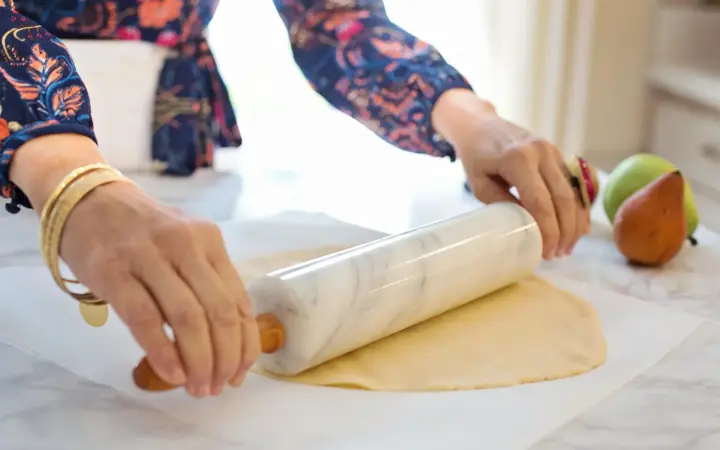
The best souvenir may be a recipe: a French cooking class teaches you croissants, macarons or a bistro menu with a chef – and you eat the results.
Food etiquette and tips
- Say “Bonjour” when you walk into a shop or restaurant – it matters.
- Lunch menus (formules) are the best way to eat well at a good price.
- Book dinner at popular bistros, especially at weekends.
- Water: ask for “une carafe d’eau” for free tap water.
- Bread is free with your meal and placed directly on the table.
- Coffee comes after dessert, never with it – and a “café” is an espresso.
Plan your foodie trip
Choose a neighbourhood with great food on your doorstep in where to stay in Paris, and fit your meals around the sights with our 3-day Paris itinerary. After lunch in Saint-Germain, the Musée d’Orsay is a short walk away.