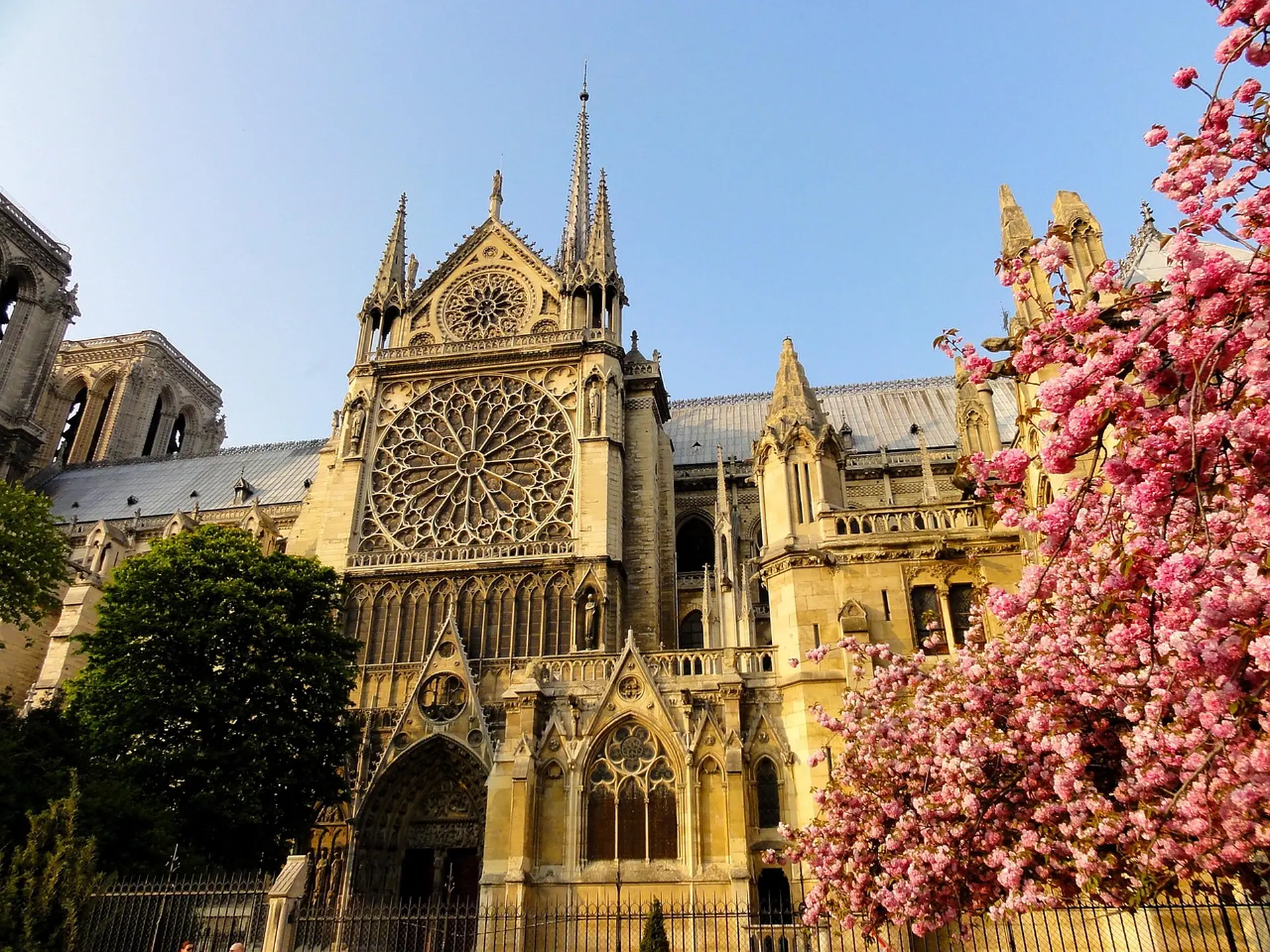

There is no bad time to visit Paris – but each season gives you a different city. The climate is temperate all year, without extreme heat or cold most of the time. The real differences are crowds, daylight, events and the colour of the parks. Here is how to choose your moment, season by season and month by month.
The short answer
- Best overall: May, June and September.
- Fewest crowds: January to March and November.
- Most magical atmosphere: December.
- Longest days: June, with daylight until after 21:30.
Spring (March–May)
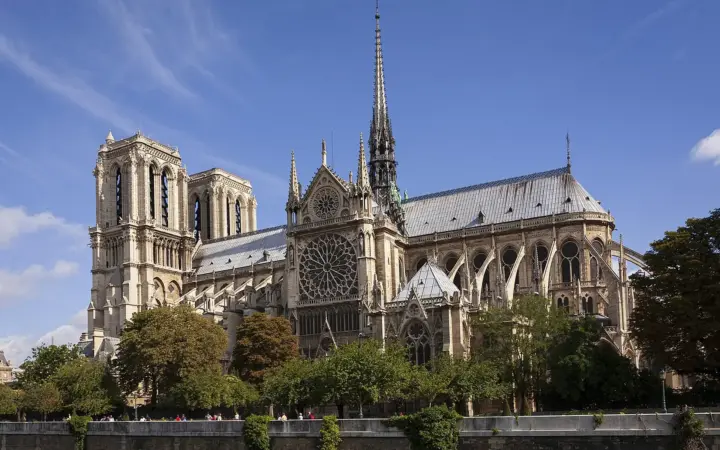
Chestnut trees and cherry blossoms bloom in the parks – the trees by Notre-Dame and in the Jardin des Plantes are favourites – café terraces reopen and days grow longer. April and May are lovely but can be showery: pack a light raincoat. Several public holidays in May bring local crowds and long weekends.
Good for
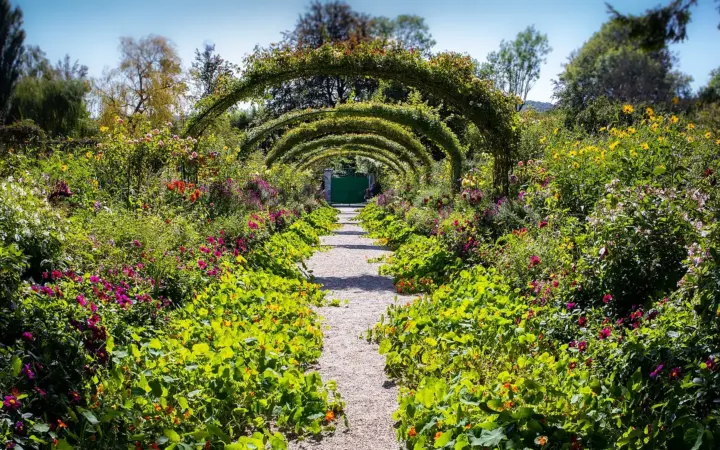
Gardens, walks along the Seine, and day trips to Monet’s gardens in Giverny, which reopen in spring.
Summer (June–August)
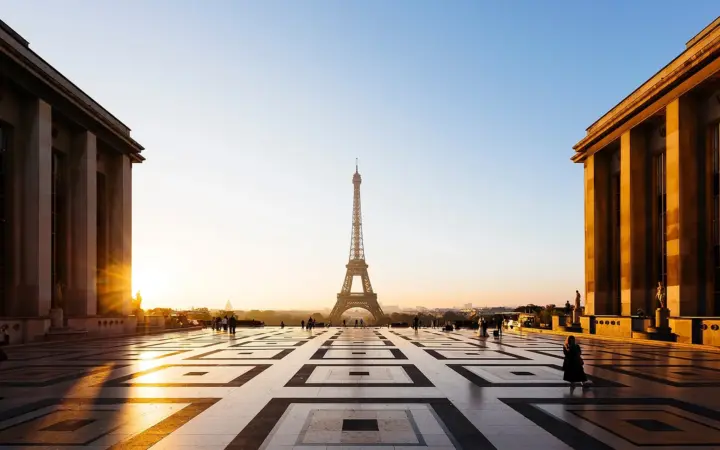
Long evenings, picnics along the Seine and open-air events. June 21 brings the Fête de la Musique, with free concerts in every street. July 14 (Bastille Day) starts with a military parade on the Champs-Élysées and ends with fireworks at the Eiffel Tower. Heatwaves can happen in July and August, when the big sights are at their busiest; August is quieter in the neighbourhoods, as many Parisians leave on holiday and some small shops close.
Good for
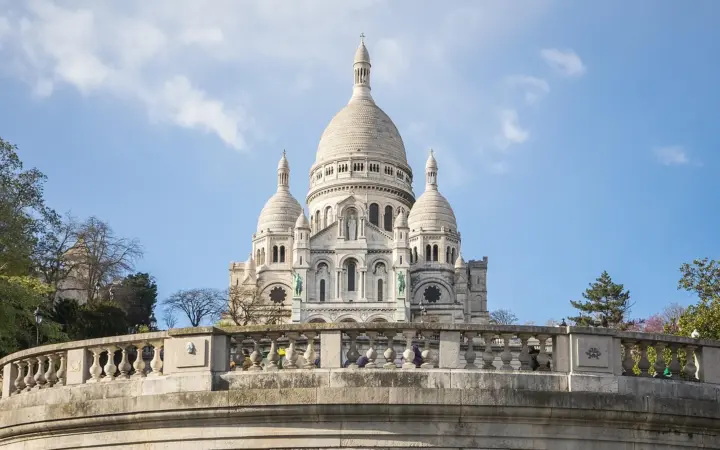
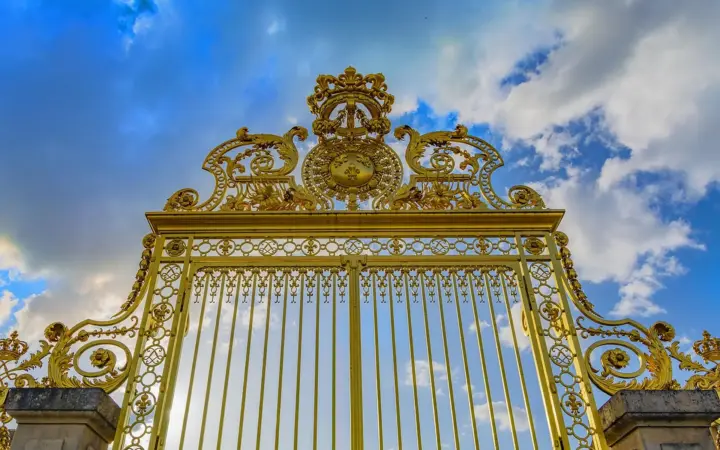
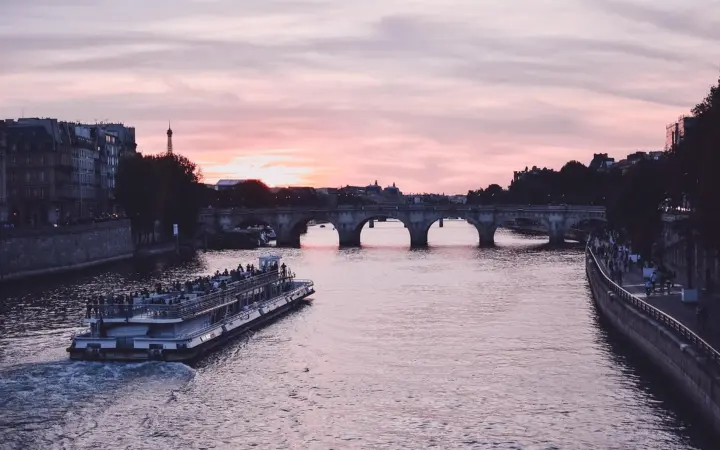
Evening Seine cruises, palace gardens such as Versailles and late sunsets from the steps of the Sacré-Cœur.
Autumn (September–November)
September is one of the best months: warm days, the city back to life after the holidays, and the European Heritage Days (Journées du Patrimoine), when many buildings normally closed to the public open their doors. October brings golden parks and the Nuit Blanche, an all-night contemporary art event. November is grey but peaceful, and the Christmas lights are switched on at the end of the month.
Good for
Museums without the summer crowds, wine bars and long café lunches.
Winter (December–February)
December is enchanting, with Christmas lights on the Champs-Élysées, festive department-store windows on Boulevard Haussmann and Christmas markets. January and February are the quietest months – ideal for museums – and January brings the winter sales. Days are short and cold, but it rarely freezes for long.
Good for
Museums, hot chocolate, shopping and a romantic city without the queues.
Month by month
- January: quiet museums and the winter sales.
- February: the calmest month; good hotel availability.
- March: the first blossoms and fewer visitors.
- April: spring in full swing; take a raincoat.
- May: warm, green and lively; public holidays.
- June: long days and the Fête de la Musique.
- July: Bastille Day, summer events and peak crowds at the monuments.
- August: hot, with a quieter local life.
- September: warm days and the Heritage Days.
- October: autumn colours and the Nuit Blanche.
- November: peaceful and grey; the Christmas lights switch on.
- December: festive lights and markets.
Planning tips
- Book early for spring, September and December.
- Check museum closures on public holidays.
- Pack layers in every season: the weather can change during the day.
- Plan indoor alternatives for rainy days – the Louvre and the covered passages are perfect.
Plan the rest
Once you have chosen your dates, find your neighbourhood in where to stay in Paris, follow our 3-day itinerary and read the Paris travel tips before you go.