

Lombardy is the most populous region of Italy, stretching from the Alps to the plain of the River Po. It is the country’s economic engine, but also a land of lakes, mountain valleys and beautifully preserved historic towns.
Why visit Lombardy
For variety in a small space: fashion and art in Milan, a medieval upper town in Bergamo, boat trips on the lakes and walks in Alpine valleys, all linked by good roads and trains.
Top places in Lombardy
Milan
The great Duomo, Leonardo’s Last Supper, La Scala opera house, the Brera district and the canals of the Navigli.
Bergamo
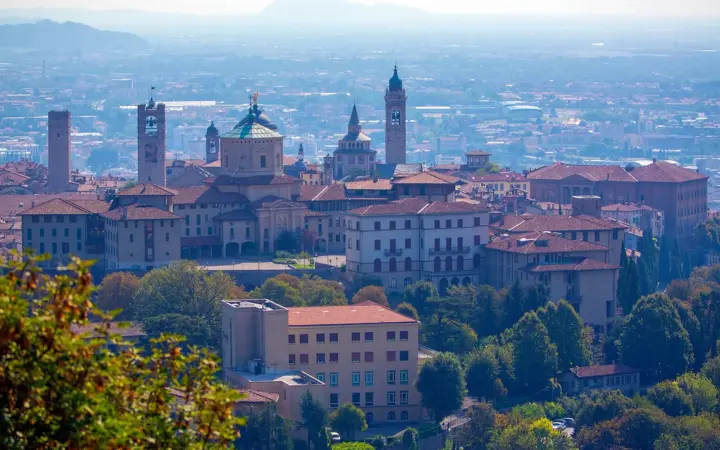
The Città Alta, an upper town enclosed by Venetian walls that are a UNESCO World Heritage Site, reached by funicular from the modern lower town.
Lake Como and Lake Iseo
Lake Como is famous for its villas and gardens; Lake Iseo, smaller and quieter, has the car-free island of Monte Isola.
The Bergamo valleys
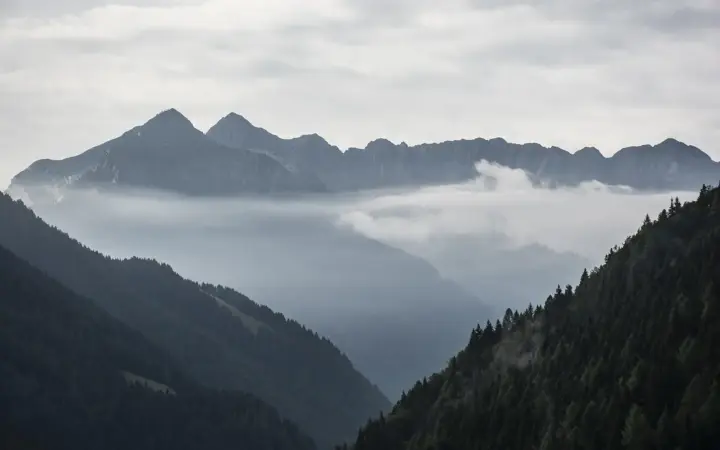
Val Seriana and Val Brembana, green valleys of villages, pastures and trails just north of Bergamo, with small towns such as Cene and Costa di Serina.
Mantua and Franciacorta
The Renaissance court city of Mantua and the sparkling-wine hills of Franciacorta.
Best time to visit Lombardy
Spring and early autumn are best for the lakes and cities. Summer can be hot and humid in Milan but pleasant in the mountains. Winter brings skiing and Christmas markets.
Getting to and around Lombardy
Three airports serve the region: Malpensa, Linate and Bergamo Orio al Serio, a hub for low-cost flights. Trains link Milan with Bergamo, the lakes and the rest of Italy; a car helps in the valleys.
What to eat in Lombardy
Risotto alla milanese with saffron, cotoletta, polenta, casoncelli from Bergamo, cheeses such as Taleggio and Gorgonzola, and Franciacorta sparkling wine.
Lombardy FAQ
Is Bergamo worth visiting?
Yes: the Città Alta is one of the most beautiful old towns in northern Italy, only about 50 minutes by train from Milan.
Do I need a car in Lombardy?
Not for Milan, Bergamo and the main lakes; it helps for mountain valleys and small villages.