


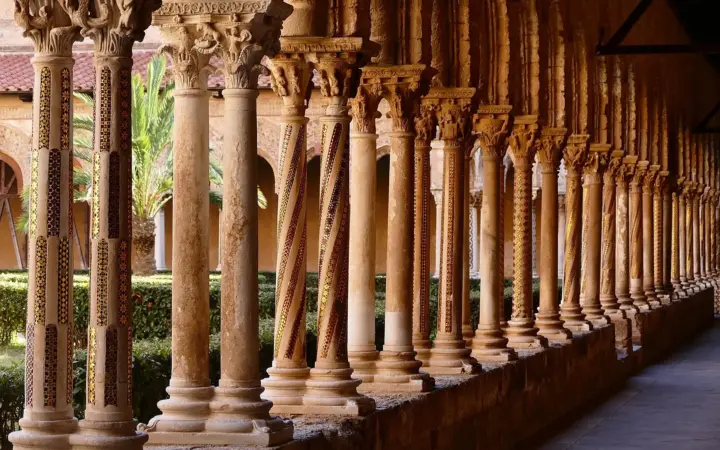
Sicily is the largest island in the Mediterranean, at the toe of the Italian boot. Greeks, Romans, Arabs, Normans and Spaniards all left their mark here, and you can see it in the temples, cathedrals, markets and food.
Why visit Sicily
For history, landscapes and food in one place. In a single trip you can walk among Greek temples, climb the slopes of Mount Etna, swim in turquoise coves and eat some of the best street food in Italy.
Top places in Sicily
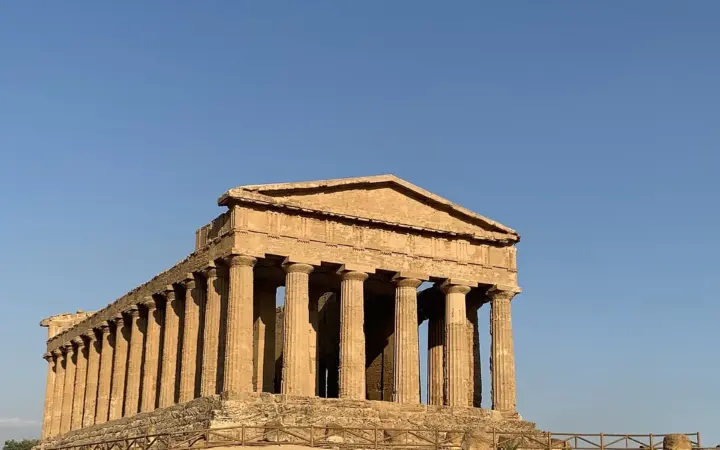
Agrigento and the Valley of the Temples
One of the best-preserved groups of ancient Greek temples anywhere, a UNESCO World Heritage Site on a ridge facing the sea.
Palermo
A lively capital of Arab-Norman churches, golden mosaics in Monreale nearby, and busy street markets such as Ballarò.
Mount Etna and the east coast
Europe’s highest active volcano rises above Catania and the hilltop town of Taormina.
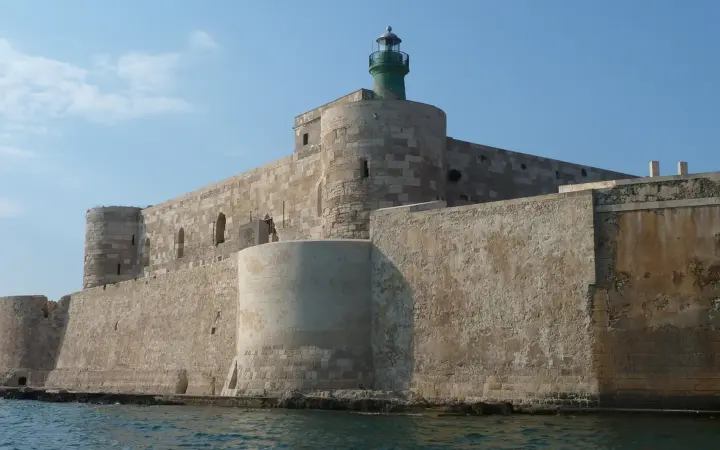
Syracuse and the Val di Noto
The island of Ortigia in Syracuse and the honey-coloured baroque towns of Noto, Modica and Ragusa.
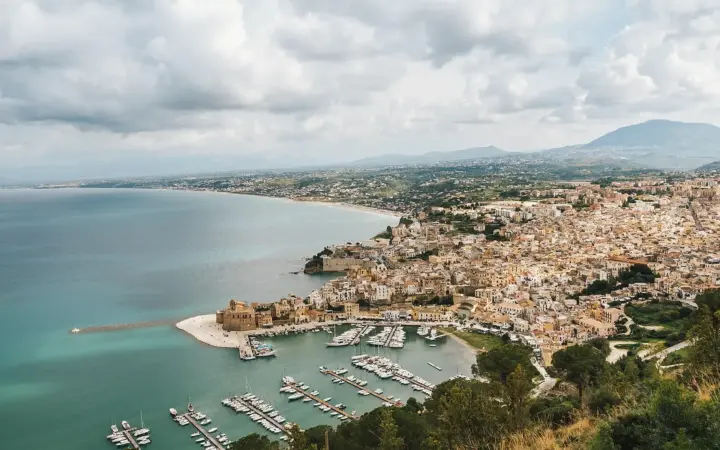
The west coast
Castellammare del Golfo, the Zingaro nature reserve, San Vito Lo Capo and the salt pans of Trapani.
Best time to visit Sicily
April to June and September to October offer warm days, a pleasant sea and fewer crowds. July and August are hot, especially inland, and the beaches are busy. Winters are mild on the coast.
Getting to and around Sicily
Fly into Palermo, Catania or Trapani, or take a ferry from the mainland. Trains and buses link the main cities, but a car is the most practical way to see temples, beaches and small towns.
What to eat in Sicily
Arancini, pasta alla Norma, fresh fish and swordfish, caponata, cannoli filled with ricotta, almond granita with brioche for breakfast, and wines from Etna and Marsala.
Sicily FAQ
How many days do I need in Sicily?
One week for one side of the island (east or west); ten days to two weeks for a full loop.
Is it worth renting a car in Sicily?
Yes, for most trips: many beaches, temples and villages are poorly served by public transport.