


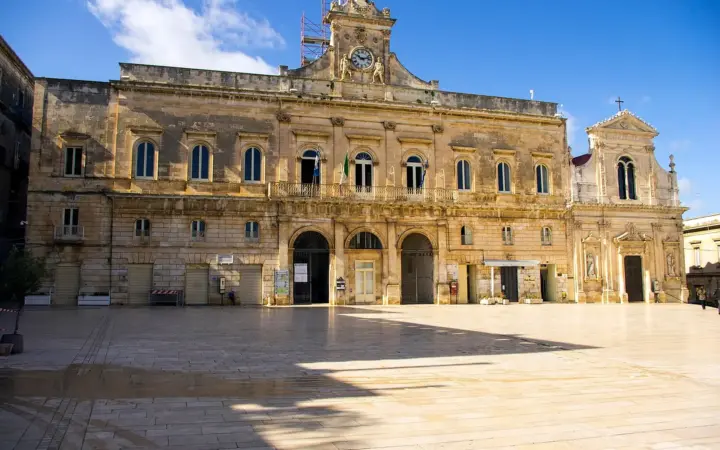
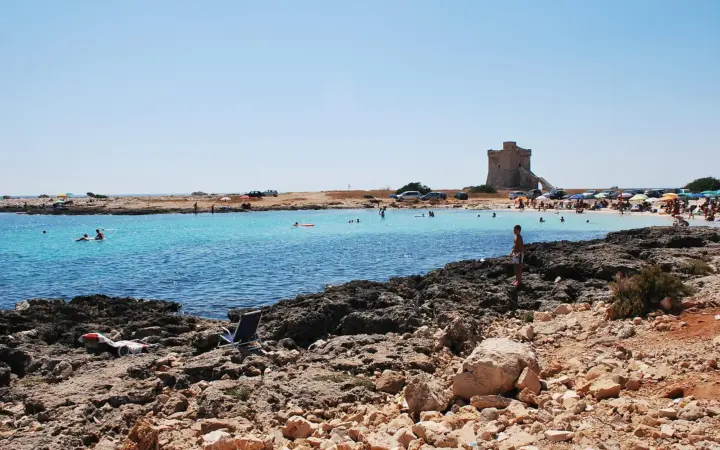
Apulia (Puglia in Italian) is the long heel of the Italian boot, stretching for about 400 km between the Adriatic and the Ionian Sea. It is a land of olive groves, dry-stone walls, fortified farmhouses called masserie and towns that shine white in the sun.
Why visit Apulia
For beaches, food and small towns full of character. Apulia combines a long, varied coastline with UNESCO sites, baroque churches and some of the most generous cooking in Italy, at a slower pace than the big cities of the north.
Top places in Apulia
Alberobello and the Itria Valley
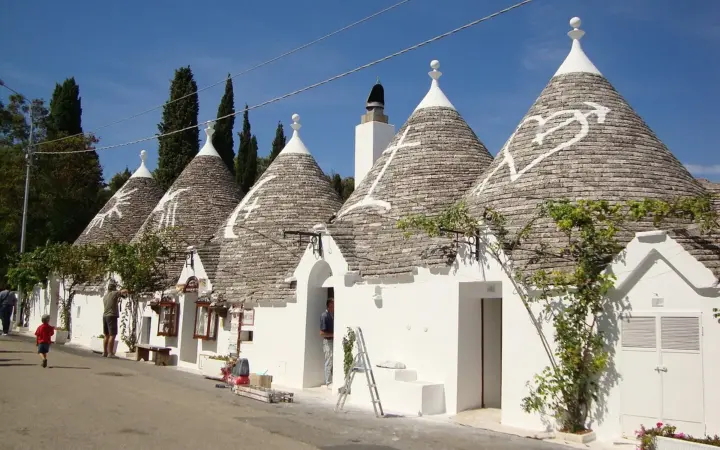
The trulli of Alberobello, round stone houses with conical roofs, are a UNESCO World Heritage Site. Around them, the green Itria Valley is dotted with more trulli, vineyards and the towns of Locorotondo, Cisternino and Martina Franca.
Ostuni, the white city
A hill town of whitewashed lanes and stairways, with views over a sea of olive trees down to the Adriatic.
Lecce and Salento
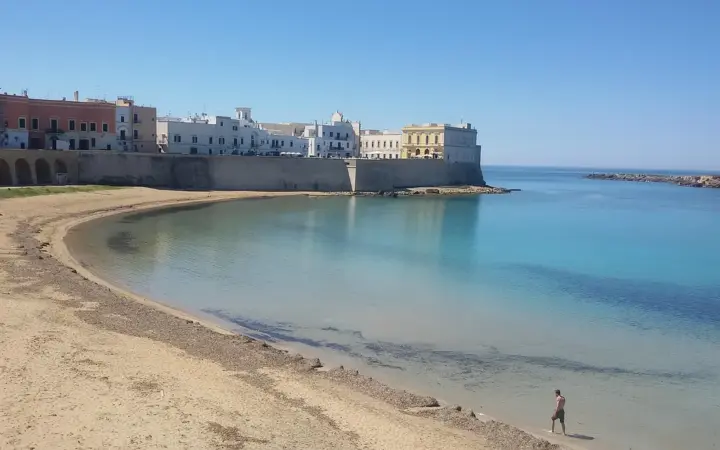
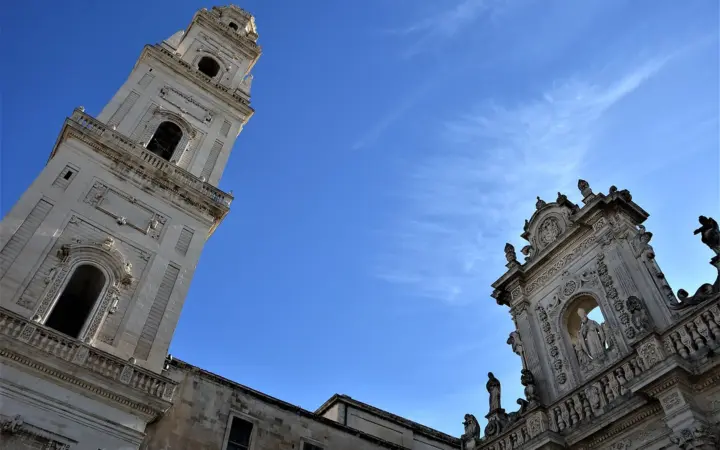
Lecce is famous for its golden baroque churches. South of it, the Salento peninsula has sandy beaches on the Ionian side and cliffs and coves on the Adriatic side.
Bari, Altamura and Castel del Monte
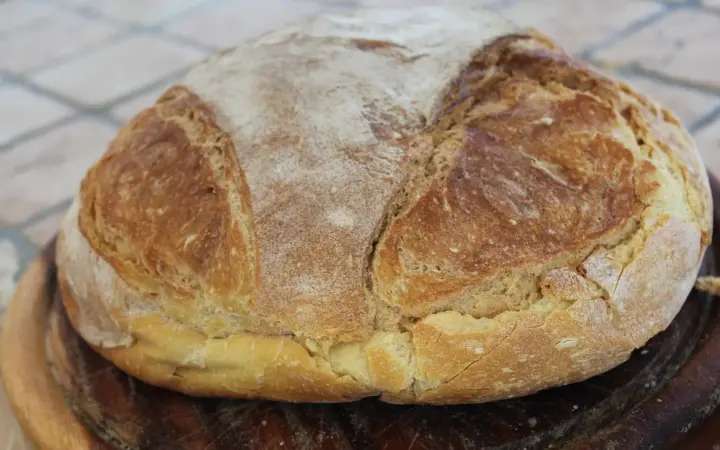
The old town of Bari, the bread town of Altamura and the octagonal Castel del Monte, another UNESCO site.
Best time to visit Apulia
May, June and September are ideal: the sea is warm and the towns are lively but not packed. July and August are hot and the coast is very busy, especially in Salento. Winter is mild and quiet.
Getting to and around Apulia
Bari and Brindisi airports have flights from many European cities. Trains link the main towns along the coast, but a car is the easiest way to reach masserie, small towns and beaches.
What to eat in Apulia
Orecchiette pasta with turnip tops, burrata and other fresh cheeses, focaccia barese, raw seafood in Bari, Altamura bread and robust red wines such as Primitivo and Negroamaro.
Apulia FAQ
How many days do I need in Apulia?
A week lets you see the Itria Valley, Ostuni, Lecce and a few beaches; two weeks are better to add Salento and Gargano.
Is Apulia good without a car?
It is possible between the main towns by train and bus, but a car makes the countryside and beaches much easier.