


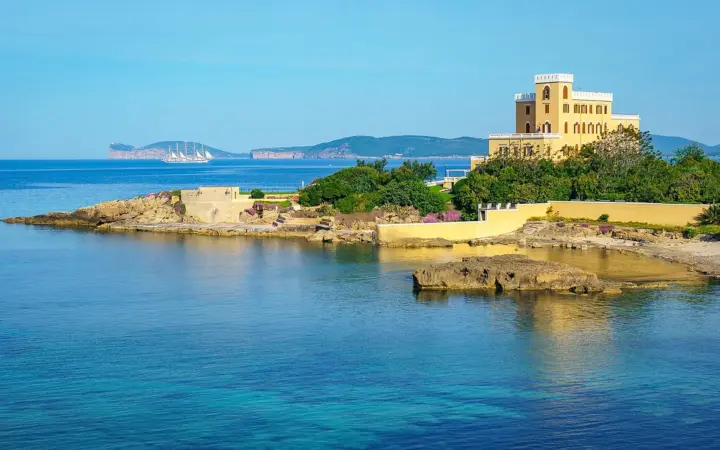
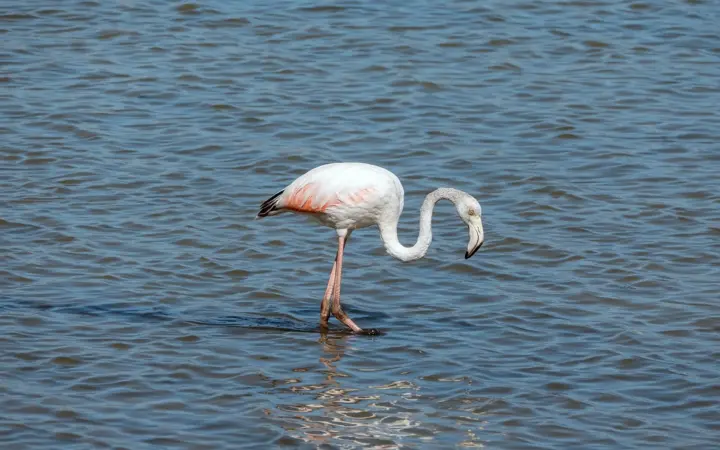
Sardinia is the second-largest island in the Mediterranean, west of the Italian mainland. It is famous for some of the clearest sea in Europe, but inland it is just as striking: granite mountains, cork oaks, shepherds’ villages and thousands of prehistoric stone towers called nuraghi.
Why visit Sardinia
For beaches above all, from long white strands to tiny coves, and for an island with a strong identity of its own: its own language, crafts, festivals and food.
Top places in Sardinia
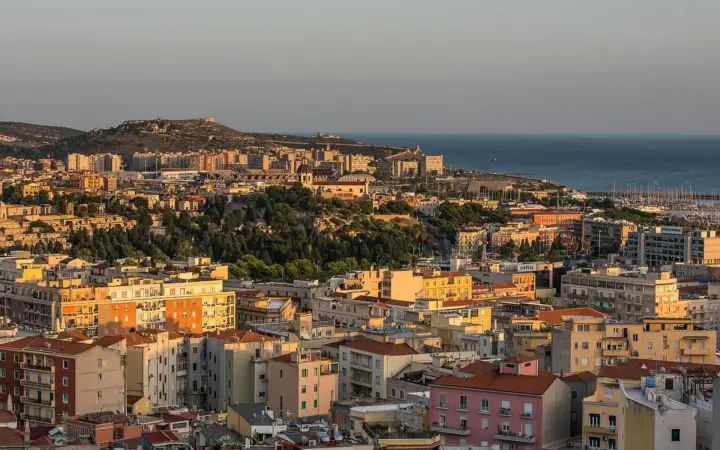
Cagliari and the south
The capital climbs a hill crowned by the old Castello quarter, with long beaches such as Poetto on its doorstep and the coast of Chia and Villasimius nearby.
Alghero and the north-west
A walled port town where a form of Catalan is still spoken, close to the sea caves of Capo Caccia and the beaches of Porto Conte.
The Costa Smeralda and La Maddalena
The famous north-east coast of granite rocks and emerald water, and the islands of the La Maddalena archipelago.
The Gulf of Orosei
Cliffs, coves reachable by boat or on foot and the mountains of the Supramonte.
Su Nuraxi di Barumini
The best-known nuraghe, a Bronze Age fortress and village and a UNESCO World Heritage Site.
Best time to visit Sardinia
May, June and September are ideal for swimming without the crowds. August is the busiest and most expensive month. Spring and autumn are lovely for walking inland.
Getting to and around Sardinia
Fly into Cagliari, Olbia or Alghero, or take a ferry from Genoa, Livorno, Civitavecchia or Naples. Buses and a few trains link the towns, but a car is almost essential for beaches and the interior.
What to eat in Sardinia
Culurgiones (filled pasta), malloreddus, slow-roasted porceddu, crisp pane carasau, pecorino sardo, seafood in Alghero and Cagliari, and wines such as Cannonau and Vermentino.
Sardinia FAQ
How many days do I need in Sardinia?
One week for one part of the island; two weeks to see north and south.
Do I need a car in Sardinia?
For most trips, yes: public transport does not reach many beaches and villages.