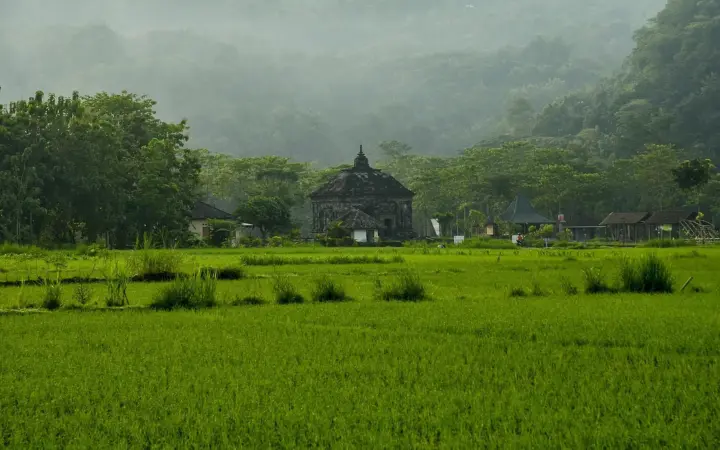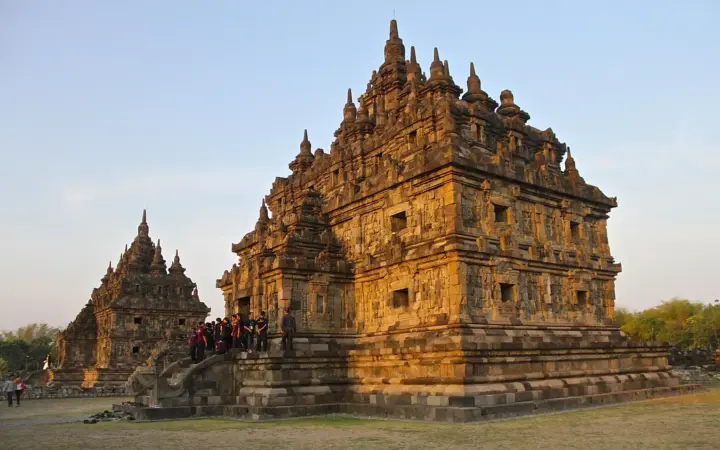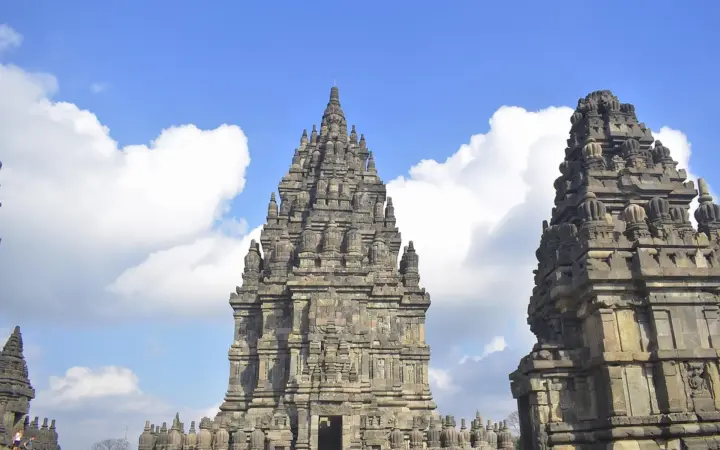




Yogyakarta, or Jogja, is the royal city of central Java and the country’s capital of traditional arts. The sultan still lives in the Kraton, the palace at its heart, and the streets around it are full of batik workshops, puppet makers, students and street food. It is also the base for Borobudur and Prambanan, two of the greatest monuments in Southeast Asia.
Why stay in Yogyakarta
For Javanese culture you can see and try: gamelan and dance at the palace, batik and silver workshops, shadow-puppet shows and one of Indonesia’s best street-food scenes. Hotels range from guesthouses in Prawirotaman to elegant resorts on the edge of town, and the temples are an easy day trip.
Things to do in Yogyakarta
The Kraton
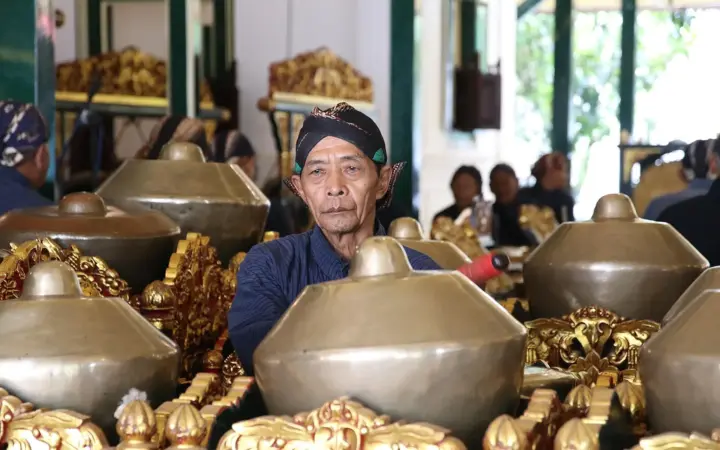
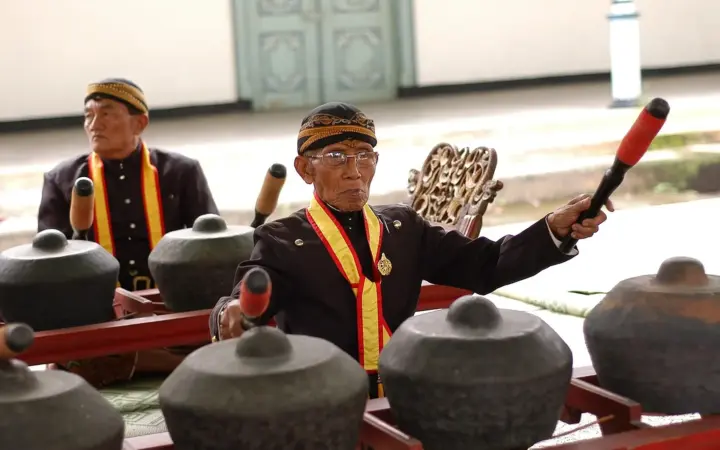
The sultan’s palace, built in the 18th century, is still the royal residence. Part of it is open to visitors, with pavilions, heirlooms and morning performances of gamelan music, dance or shadow puppets.
Taman Sari
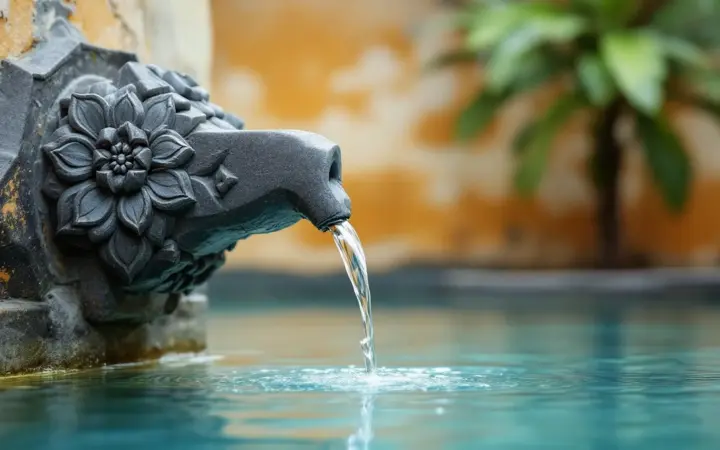
A short walk away, the Taman Sari water castle was a royal garden with bathing pools, underground passages and a mosque reached by tunnels.
Malioboro and Beringharjo
Jalan Malioboro is the city’s main street, running from the Tugu monument towards the palace, lined with shops and food stalls. Beringharjo market, beside it, is the place for batik fabric and snacks.
Kotagede
The former capital of the Mataram kingdom, southeast of the centre, is known for its silver workshops, old houses and royal cemetery.
Museums
Sonobudoyo Museum has fine collections of Javanese art and puppets, and Fort Vredeburg tells the story of the independence struggle.
Day trips from Yogyakarta
- Prambanan: the 9th-century Hindu temples, about 30–45 minutes northeast; stay for the sunset at Ratu Boko.
- Borobudur: the great Buddhist monument, about 1–1.5 hours northwest; many visitors go for sunrise.
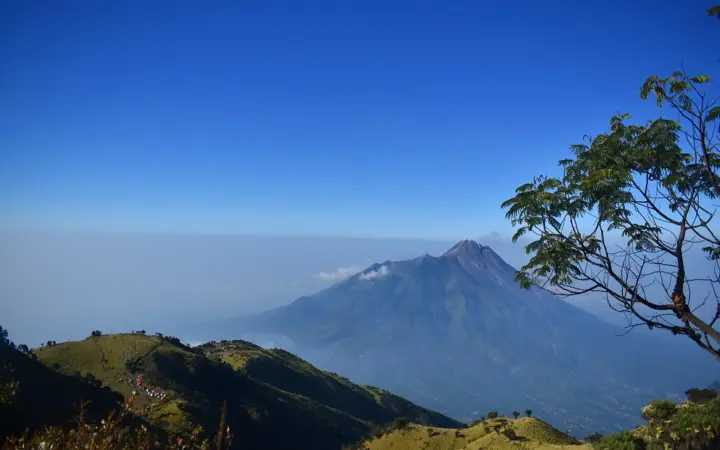
- Mount Merapi: jeep tours on the slopes of the active volcano.
- The south coast: Parangtritis beach and the caves and coves of Gunungkidul.
Best time to visit Yogyakarta
April to October is the dry season, the most comfortable time for the temples. November to March is hot and humid, with heavy afternoon rain. Avoid, if you can, the Indonesian school holidays and the end of Ramadan, when the city and the temples are very crowded.
Getting to and around Yogyakarta
Yogyakarta International Airport (YIA) is about an hour west of the city, linked by an airport train. Trains arrive at Tugu station, in the centre, from Jakarta, Bandung, Solo and Surabaya. In town, use ride-hailing apps, a becak (cycle rickshaw) for short rides, or a car with driver for the temples.
Yogyakarta travel tips
- Visit the Kraton in the morning: it closes early, and performances are in the morning.
- Be wary of “batik exhibition” touts near the palace who lead visitors to shops.
- Try gudeg for breakfast, the way locals eat it.
Yogyakarta FAQ
How many days do you need in Yogyakarta?
Three days: one for the city, one for Borobudur and one for Prambanan, with time for Merapi or the coast if you stay longer.
Where should I stay in Yogyakarta?
Near Malioboro or the Kraton to walk to the sights, in Prawirotaman for cafés and guesthouses, or outside the city for quiet resorts with temple and volcano views.