


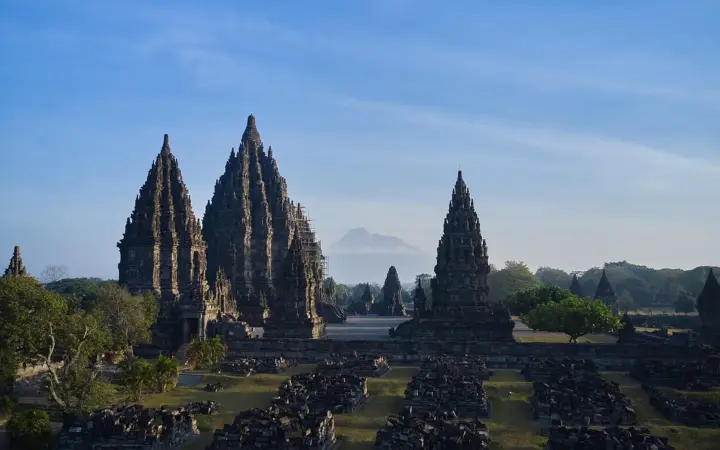
Indonesia is the world’s largest archipelago, with more than 17,000 islands strung along the equator. In one trip you can watch the sun rise over a smoking volcano in Java, visit a thousand-year-old Buddhist temple, relax on a beach in Bali and dive among manta rays near Komodo. This Indonesia travel guide helps you choose the islands, the season and the best way to travel.
Why Indonesia should be your next trip
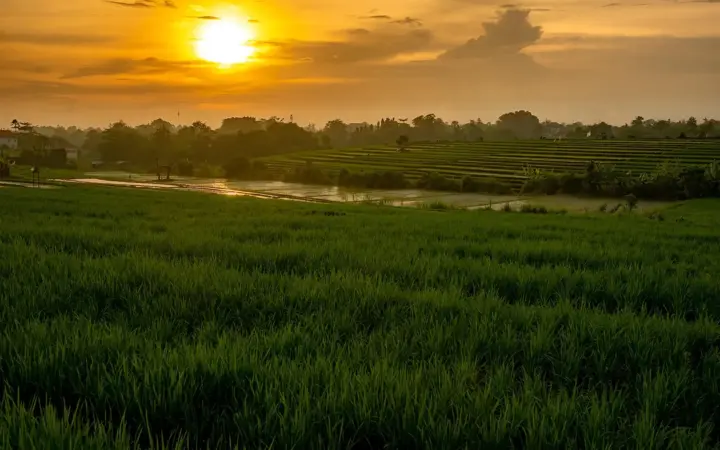
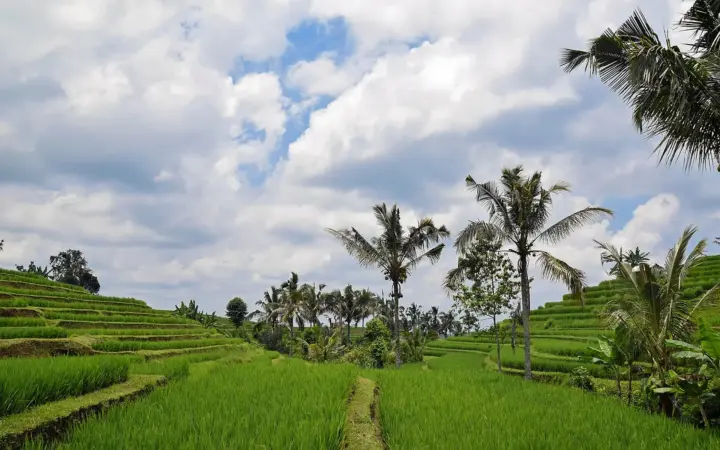
Active volcanoes, UNESCO-listed temples, emerald rice terraces, tropical rainforest and some of the richest coral reefs on the planet sit side by side with hundreds of cultures, languages and cuisines. Bali is the best-known island, but Java, Lombok, Flores, Sumatra and Sulawesi are just as rewarding and often far less crowded.
Distances are huge, so plan your trip around one or two regions rather than trying to hop between too many islands.
Where to go in Indonesia: the regions at a glance
Bali
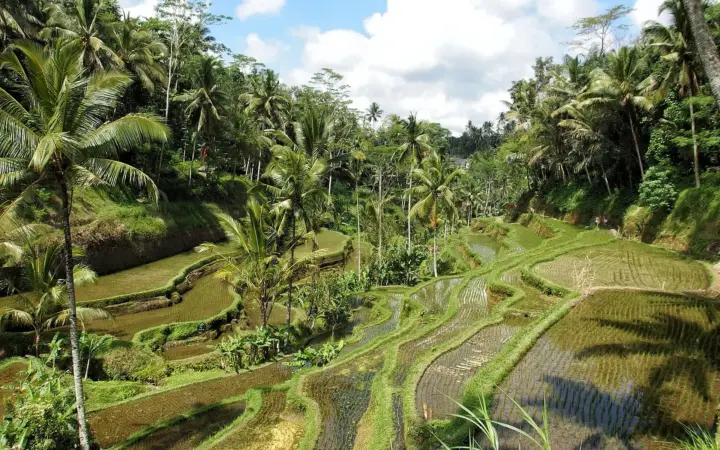
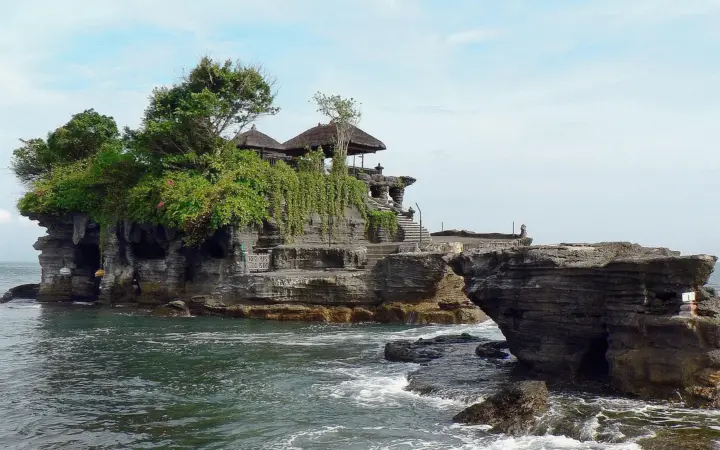
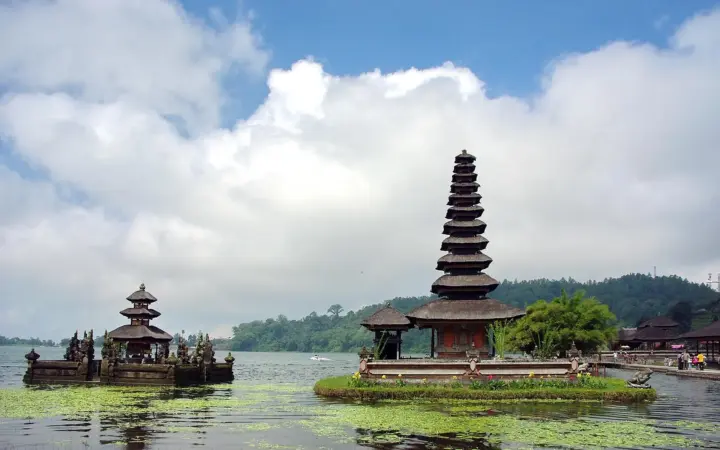
Hindu temples, rice terraces around Ubud, surf beaches in the south and quieter villages in the north and east. Bali has the widest choice of places to stay and is the easiest island for a first trip.
Java
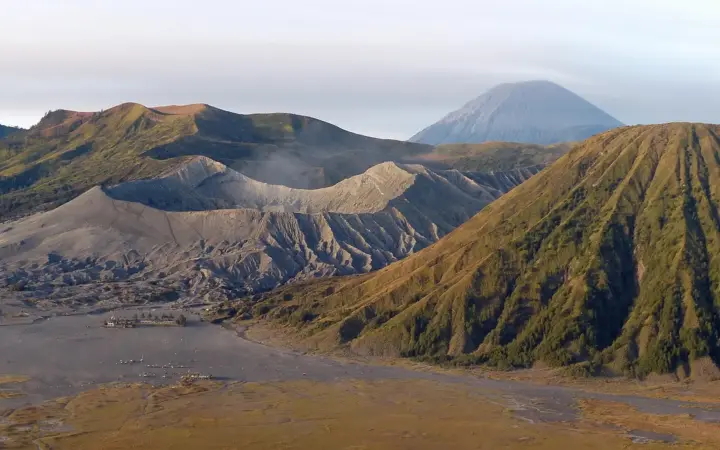
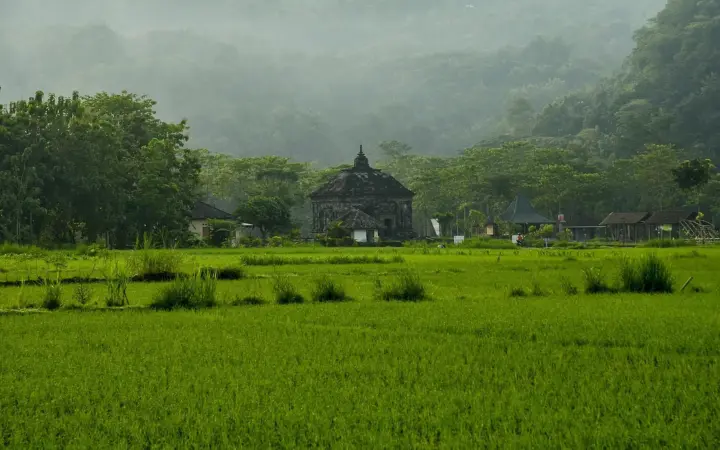
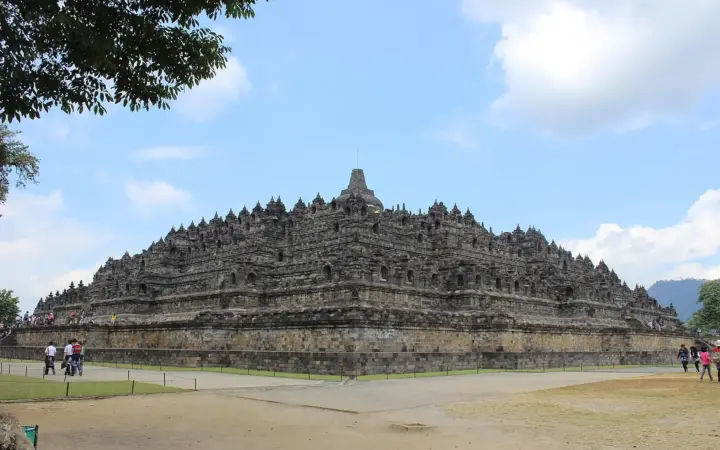
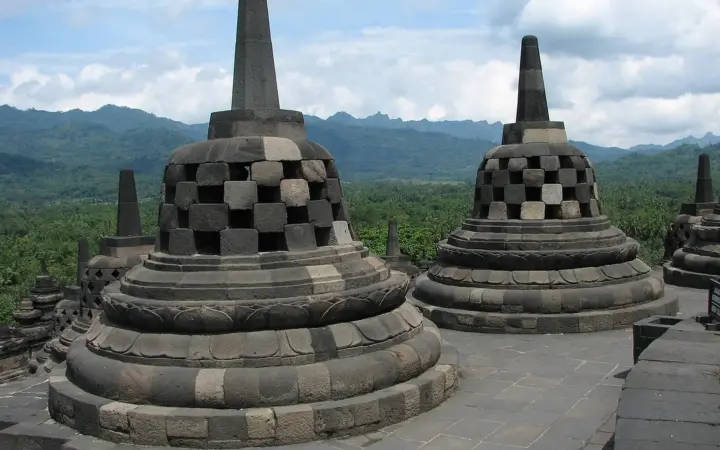
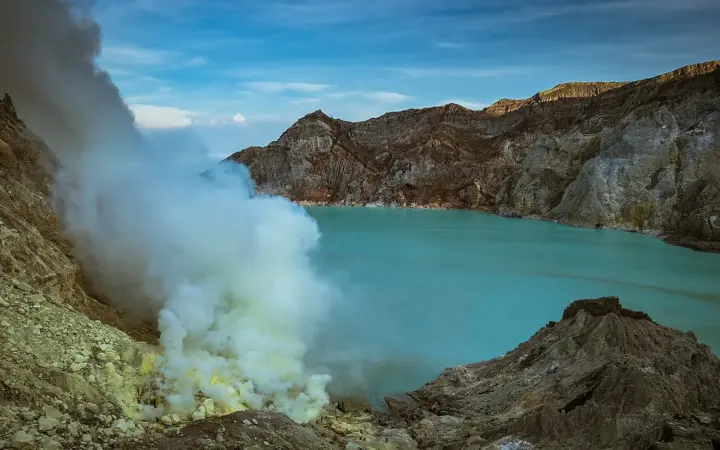
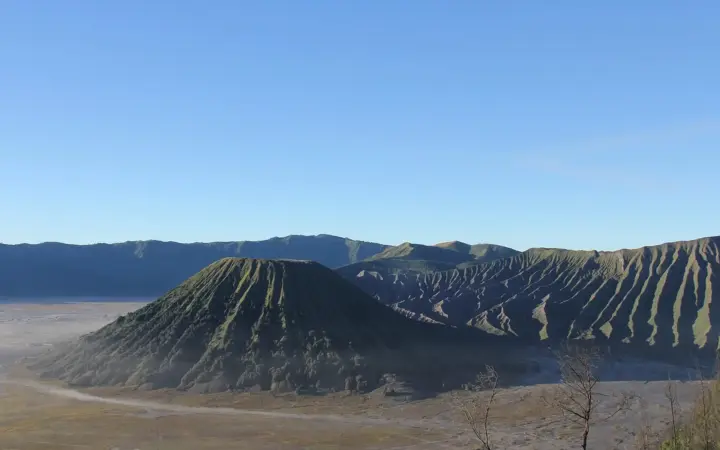
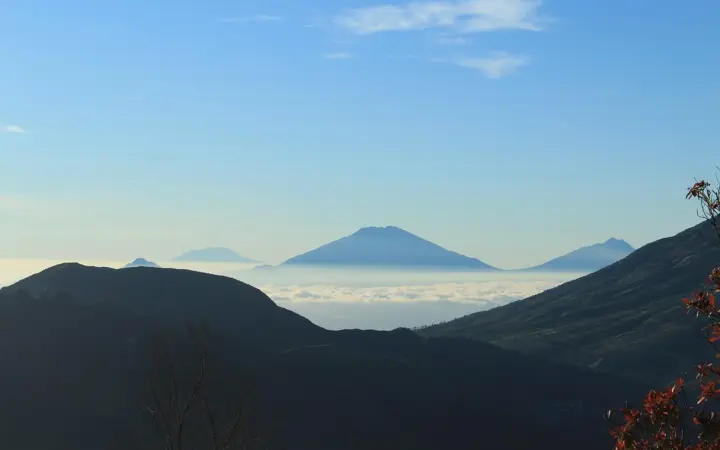
The most populated island is also one of the most spectacular. Yogyakarta is the base for the great temples of Borobudur and Prambanan; in East Java, the crater of Mount Bromo and the blue flames and turquoise lake of Ijen are among Indonesia’s most famous sights.
Lombok and the Gili Islands
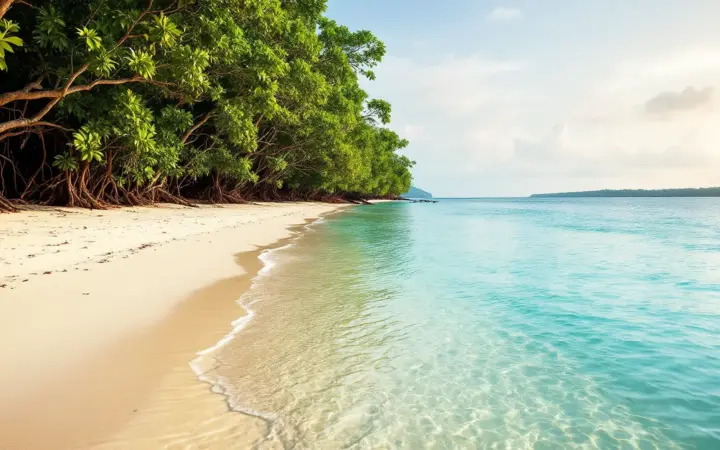
Next door to Bali, Lombok has quieter beaches and the volcano Rinjani, while the three small Gili Islands have no cars, white sand and turtles in clear water.
Komodo and Flores
From Labuan Bajo, boat trips visit Komodo National Park, home of the Komodo dragon, with pink beaches and world-class diving. Inland Flores has traditional villages and the three-coloured crater lakes of Kelimutu.
Sumatra
Orangutans in the rainforest around Bukit Lawang, the huge crater lake of Lake Toba and the Minangkabau highlands, the home of rendang.
Sulawesi, Borneo and Raja Ampat
Tana Toraja in Sulawesi is known for its carved houses and funeral ceremonies; Kalimantan, the Indonesian part of Borneo, has river trips to see orangutans in Tanjung Puting; and the islands of Raja Ampat in West Papua are a dream for divers.
Best time to visit Indonesia
May to September is the dry season in most of the country, with sunny days and the best conditions for volcano hikes, boat trips and diving. July and August are the busiest months in Bali. November to March is the wet season: expect heavy showers, usually in the afternoon, and rougher seas in some areas. April and October are good compromises.
Dates worth planning around:
- Nyepi, the Balinese day of silence (usually in March), when Bali’s airport closes for 24 hours.
- Ramadan and the Eid holidays, when many Indonesians travel and transport fills up; dates change every year.
- Independence Day on 17 August.
How to get around Indonesia
Flying
Domestic flights connect Jakarta, Bali, Yogyakarta, Surabaya, Lombok, Labuan Bajo, Medan and dozens of smaller airports, and are the only practical way to cover long distances.
Trains, buses and ferries
Java has a good railway network linking Jakarta, Yogyakarta, Surabaya and Banyuwangi. Long-distance buses cover the other islands, and ferries link Java with Bali (Ketapang–Gilimanuk) and Bali with Lombok. Fast boats run from Bali to the Gili Islands.
Drivers and scooters
Hiring a car with a driver for the day is common and affordable. Ride-hailing apps work in cities and in Bali. Scooters are everywhere, but traffic is chaotic: only ride with a licence and a helmet.
Indonesia itinerary ideas for a first trip
- 2 weeks: Yogyakarta, Borobudur and Prambanan (3 days), Bromo and Ijen in East Java (3 days), then the ferry to Bali (7 days).
- 3 weeks: add Lombok and the Gili Islands, or a boat trip in Komodo National Park.
- Nature extension: orangutans in Sumatra or the reefs of Raja Ampat.
What to eat in Indonesia
Nasi goreng (fried rice), mie goreng (fried noodles), satay with peanut sauce, gado-gado (vegetables with peanut sauce), rendang (slow-cooked spiced beef from Sumatra), soto soups and tempeh, the fermented soy cake from Java. Almost everything comes with sambal, the local chilli paste. Indonesia is also a great coffee country: try Java, Sumatra and Bali beans.
Indonesia travel tips: what to know before you go
- Entry rules: many nationalities can get a visa on arrival or an electronic visa; check the current rules before you fly.
- Dress for temples: cover shoulders and knees, and wear a sarong in Balinese temples.
- Money: the currency is the rupiah. Cards work in hotels and larger restaurants, but carry cash for markets and small towns.
- Language: the national language is Bahasa Indonesia; English is common in tourist areas.
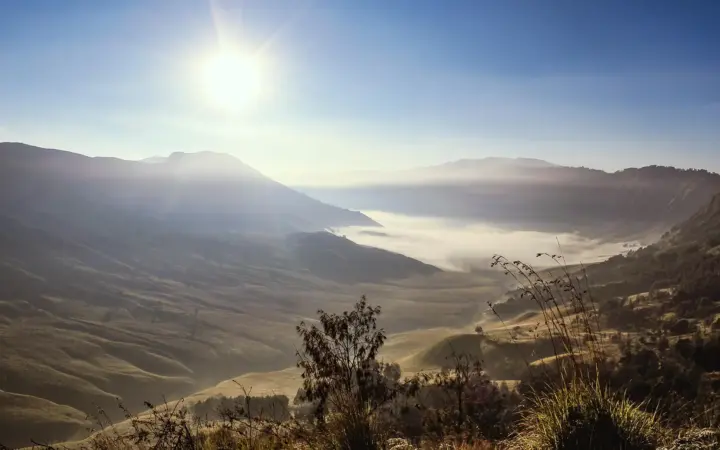
- Volcano hikes: Bromo and Ijen start before dawn; bring warm clothes and check the volcano alerts before going.
Indonesia travel FAQ
How many days do you need in Indonesia?
At least two weeks for Java and Bali; three to four weeks to add Lombok, Komodo or Sumatra.
Is the wet season a bad time to visit?
Not necessarily: showers are often short and the islands are green and quieter, but boat trips and volcano hikes may be affected.
Can you combine Java and Bali by land?
Yes. Trains reach Banyuwangi at the eastern tip of Java, and from Ketapang harbour the ferry to Bali takes about an hour.