


Peru is three countries in one: a desert coast on the Pacific, the high Andes and a huge slice of the Amazon. In a single trip you can walk into Machu Picchu at sunrise, eat ceviche in Lima, sail on Lake Titicaca and surf the long waves of the north coast. This Peru travel guide helps you pick the regions, the season and the best way to travel.
Why Peru should be your next trip
Machu Picchu and the Sacred Valley, colonial Cusco and Arequipa, mysterious desert lines and the great adobe cities of the north sit alongside snow-capped peaks, deep canyons and rainforest full of wildlife. Peru is also one of the world’s great food destinations, with a cuisine that mixes Andean, Spanish, African, Chinese and Japanese influences.
Distances and altitude are serious here, so build your trip around two or three areas rather than trying to see everything.
Where to go in Peru: the regions at a glance
Cusco, the Sacred Valley and Machu Picchu
The old Inca capital of Cusco is a city of stone walls, colonial churches and lively squares. Nearby, the Sacred Valley has Inca terraces, markets and villages such as Pisac and Ollantaytambo, and the trains to Machu Picchu leave from here. The classic Inca Trail reaches the citadel on foot in four days.
Lima: the food capital
The capital stands on cliffs above the Pacific. Explore the colonial centre, the bohemian district of Barranco and the clifftop parks of Miraflores, and book a table: Lima is famous for its restaurants, from simple cevicherías to world-renowned tasting menus.
Arequipa and the Colca Canyon
The “White City”, built of pale volcanic stone, has the vast Santa Catalina Monastery and three volcanoes on the horizon. A few hours away, the Colca Canyon is one of the deepest in the world, and condors glide above it in the morning.
Lake Titicaca
At about 3,800 metres, the highest navigable lake in the world sits between Peru and Bolivia. From Puno, boats visit the floating reed islands of the Uros and the island of Taquile, known for its textiles.
The south coast: Paracas, Huacachina and Nazca
Sea lions and seabirds on the Ballestas Islands, sandboarding on the dunes of the Huacachina oasis and flights over the Nazca Lines, giant drawings traced in the desert more than 1,500 years ago.
The north coast: Trujillo, Chiclayo and the beaches
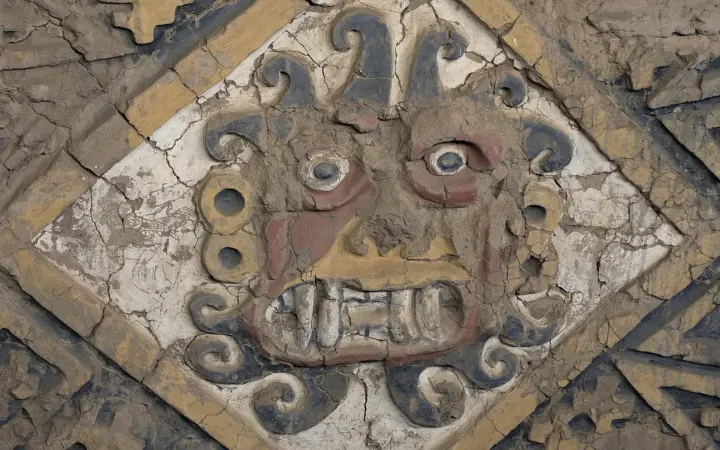
Less visited and sunny most of the year. Near Trujillo lie Chan Chan, the largest adobe city of the ancient Americas, the Moche temples of the Huacas del Sol y de la Luna and the surf town of Huanchaco. Further north, the Royal Tombs of Sipán museum and the beaches of Máncora.
The Amazon and the Cordillera Blanca
From Iquitos or Puerto Maldonado you can stay in jungle lodges, spot monkeys and macaws and explore the rivers by canoe. For mountains, Huaraz is the base for the turquoise lakes and glaciers of the Cordillera Blanca.
Best time to visit Peru
May to September is the dry season in the Andes: sunny days, cold nights and the best conditions for Machu Picchu and trekking. June to August are the busiest months. November to March is the rainy season in the mountains and the Amazon; the Inca Trail closes every February for maintenance. On the coast the seasons are reversed: Lima is often grey and misty from June to November and sunny from December to April, while the north coast is warm and dry most of the year.
Dates worth planning around:
- Inti Raymi, the Inca festival of the sun, in Cusco on 24 June.
- The Virgen de la Candelaria festival in Puno (February).
- Fiestas Patrias, Peru’s national holidays, on 28–29 July.
- The Marinera Festival in Trujillo (late January).
How to get around Peru
Flying
Most international flights arrive in Lima. Domestic flights to Cusco, Arequipa, Juliaca (for Puno), Trujillo, Chiclayo and Iquitos save long days on the road, and Iquitos can only be reached by air or river.
Buses and trains
Long-distance buses are comfortable and cover the whole country, with reclining-seat services overnight. PeruRail and Inca Rail run the trains to Aguas Calientes, the village below Machu Picchu; there is no road to the citadel from Cusco.
Taxis and cars
In cities, use ride-hailing apps or taxis booked through your hotel. Driving is possible on the coast, but mountain roads are long and winding, and a tour or a private driver is usually easier.
Peru itinerary ideas for a first trip
- 10 days: Lima (2 days), Cusco and the Sacred Valley (5 days, including Machu Picchu), Lake Titicaca (2 days).
- 2 weeks: add Arequipa and the Colca Canyon between Cusco and Lima, or a few days in the Amazon.
- North coast extension: Trujillo, Chan Chan and Huanchaco, then the Sipán museum near Chiclayo.
What to eat in Peru
Ceviche (raw fish “cooked” in lime juice with chilli and red onion), lomo saltado (stir-fried beef with chips), ají de gallina, causa (layered potato with chilli), anticuchos (grilled skewers) and Peruvian-Chinese chifa. Drink a pisco sour, try chicha morada made from purple corn, and in the Andes taste some of the thousands of native potatoes.
Peru travel tips: what to know before you go
- Book Machu Picchu early: entry is by timed ticket and circuit, and Inca Trail permits sell out months ahead.
- Take altitude seriously: Cusco is at about 3,400 metres. Rest on the first day, drink water and coca tea, and consider starting in the lower Sacred Valley.
- Money: the currency is the sol. Cards are accepted in cities, but carry cash for markets and small towns.
- Language: Spanish is the main language, with Quechua and Aymara spoken in the Andes. A few words of Spanish help a lot.
- Layers: in one day you may need a sun hat and a warm jacket.
Peru travel FAQ
How many days do you need in Peru?
At least 10 days for Lima, Cusco and Machu Picchu; two to three weeks to add the Amazon, Titicaca or the north.
Can you visit Machu Picchu in the rainy season?
Yes, it is open all year except the Inca Trail in February; expect showers and clouds, but fewer visitors.
Is the north coast worth visiting?
Yes: Chan Chan, the Moche temples and the beaches of Huanchaco and Máncora are sunny almost all year and far less crowded.